This report explores policy options Utah and other states can adopt to mitigate benefit cliffs, which occur when small income increases lead to sudden loss of public assistance.
There were over 25 million Medicaid disenrollments in 2023, but national enrollment remained significantly above pre-pandemic levels at over 56 million, with notable state-level variations and near-recovery of child enrollment.
The Digital Benefits Network at the Beeck Center for Social Impact + Innovation at Georgetown University and Public Policy Lab co-hosted a webinar presenting breaking research on beneficiary experiences with digital identity processes in public benefits.
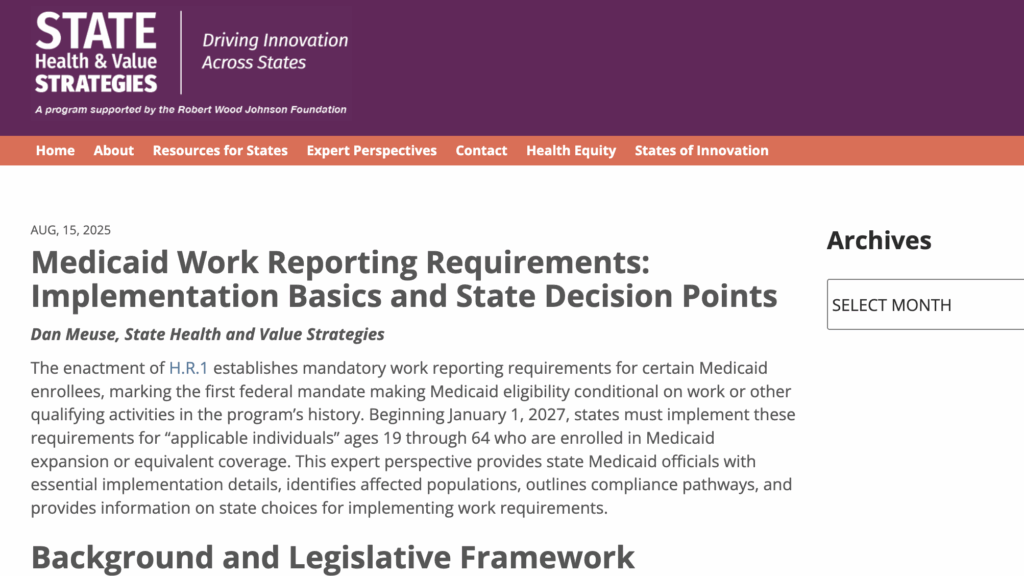
This report outlines the foundational requirements and policy choices that states must consider as they prepare to implement mandatory Medicaid work reporting under H.R. 1.
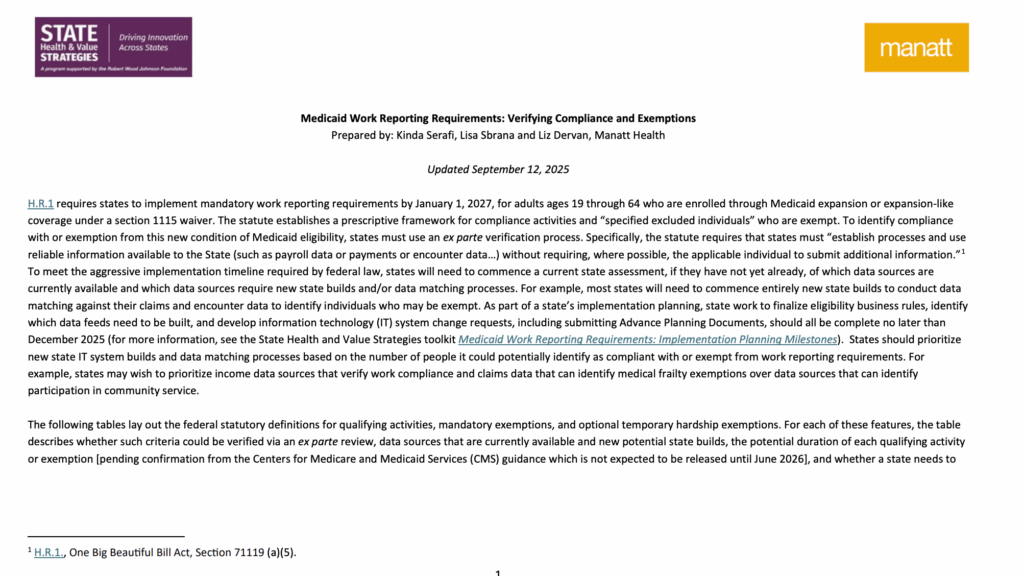
This report provides detailed guidance for states on how to verify compliance with and exemptions from Medicaid work reporting requirements established under H.R. 1.
A national survey of low-wage workers showing that administrative burdens in SNAP and Medicaid are common and strongly linked to food hardship, healthcare hardship, and chronic illness.
This project portfolio page details a human-centered service design partnership with the Michigan Unemployment Insurance Agency (UIA) to revitalize and streamline the state's unemployment benefits system following crisis-level strain.
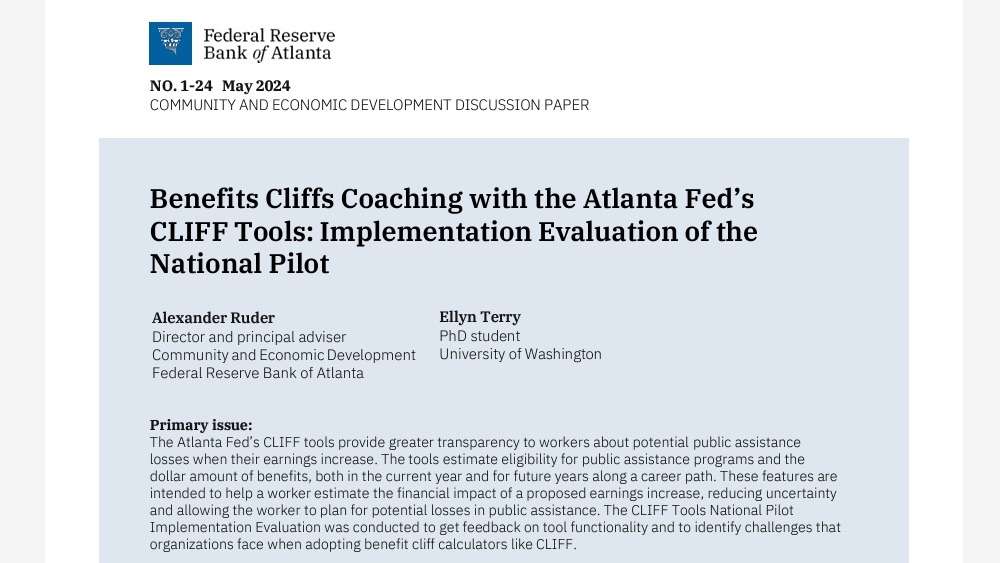
The Atlanta Fed’s CLIFF tools provide greater transparency to workers about potential public assistance losses when their earnings increase. We find three broad themes in organization-level implementation of the CLIFF tools: identifying the tar- get population of users; integrating the tool into existing operations; and integrating the tool into coaching sessions.
Sharing lessons learned via the Medicaid Churn Learning Collaborative, which is working to reduce Medicaid churn, improve renewal processes for administrators, and protect health insurance coverage for children and families.
Article describing the “time tax,” the costs to people applying or benefits in terms of spending substantial amounts of time navigating user-unfriendly interfaces. The article describes the necessity of simplifying safety-net programs and cross-coordinating across various social service programs.
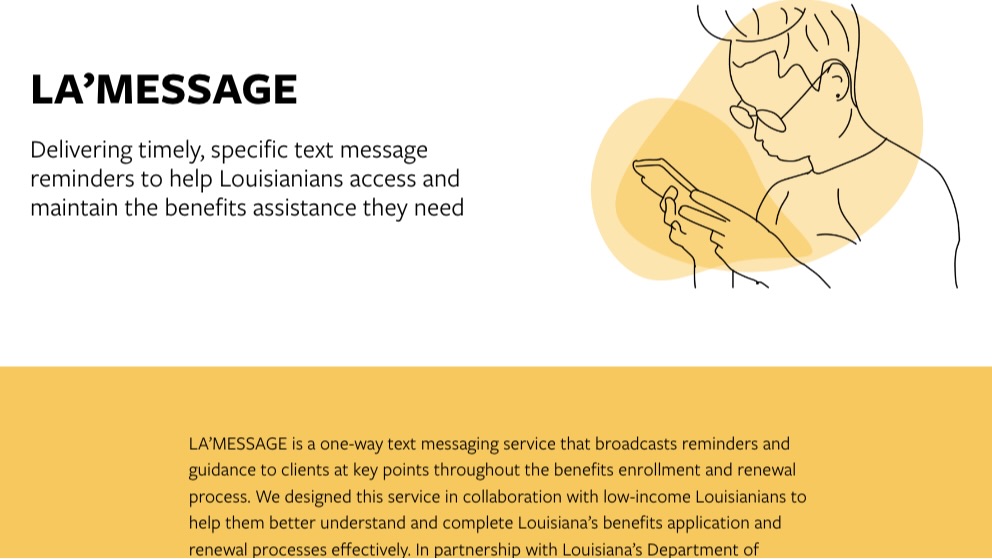
LA’MESSAGE is a one-way text messaging service developed by Code for America in partnership with Louisiana to broadcast reminders and guidance to residents enrolled in and eligible for SNAP, Medicaid, TANF, and WIC at key points throughout the benefits enrollment and renewal process.