This slide deck describes the main mechanisms in a dynamic analysis of H.R. 1, explains the changes to SNAP, and explains the macroeconomic effects and budgetary feedback of those changes.
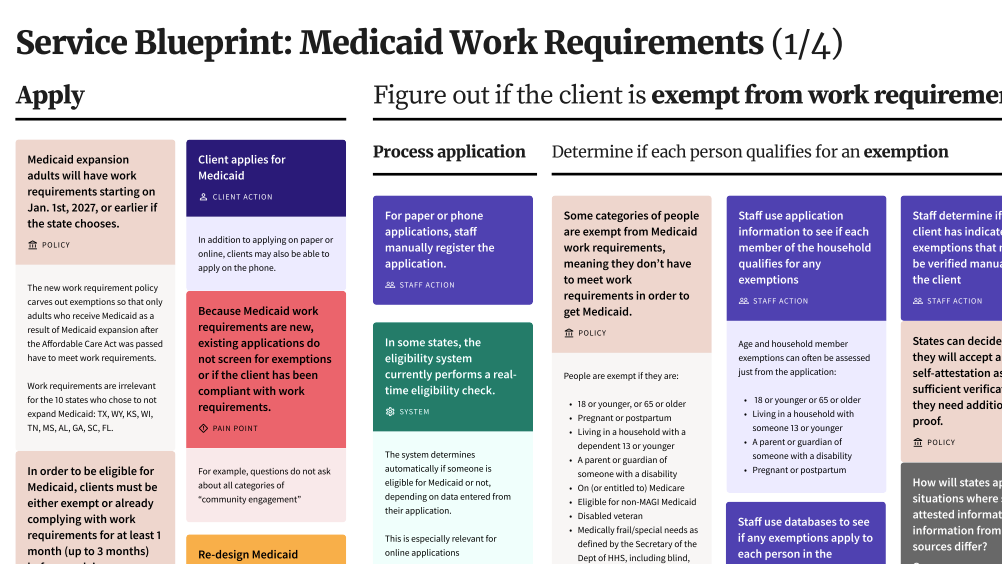
This 8.5x11 service blueprint visually maps how Medicaid work requirements will function once implemented in 2027, detailing each policy step, system interaction, and client experience to help states identify administrative challenges and opportunities for human-centered redesign.
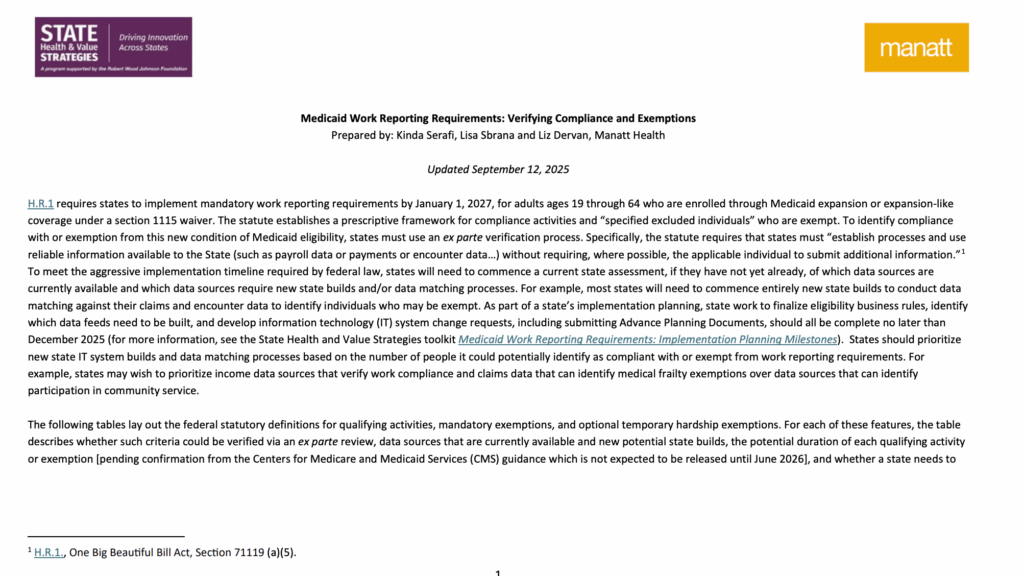
This report provides detailed guidance for states on how to verify compliance with and exemptions from Medicaid work reporting requirements established under H.R. 1.
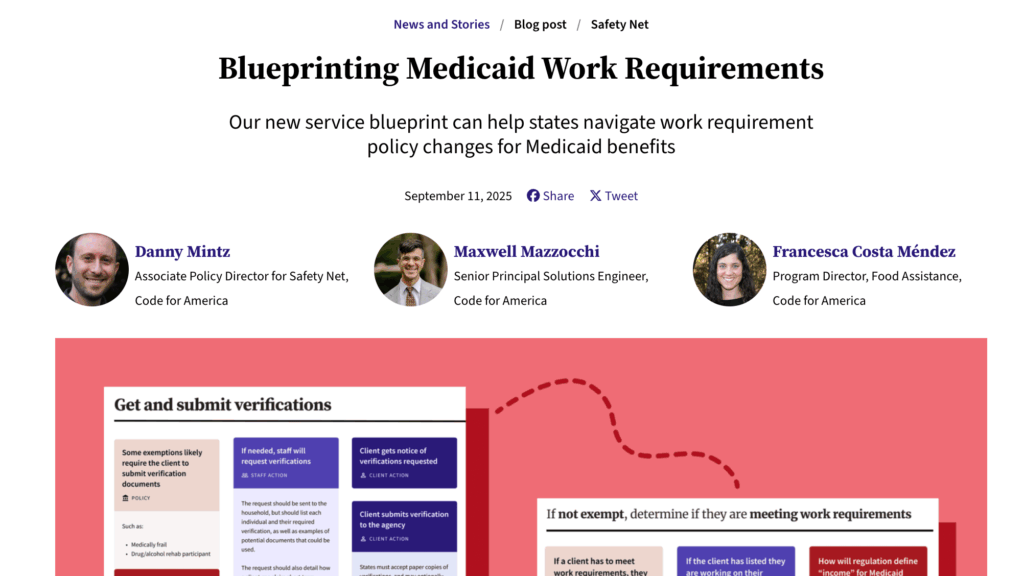
This blog introduces Code for America’s new service blueprint for Medicaid work requirements, highlighting how it can help states map system changes, identify pain points, and prioritize human-centered design.
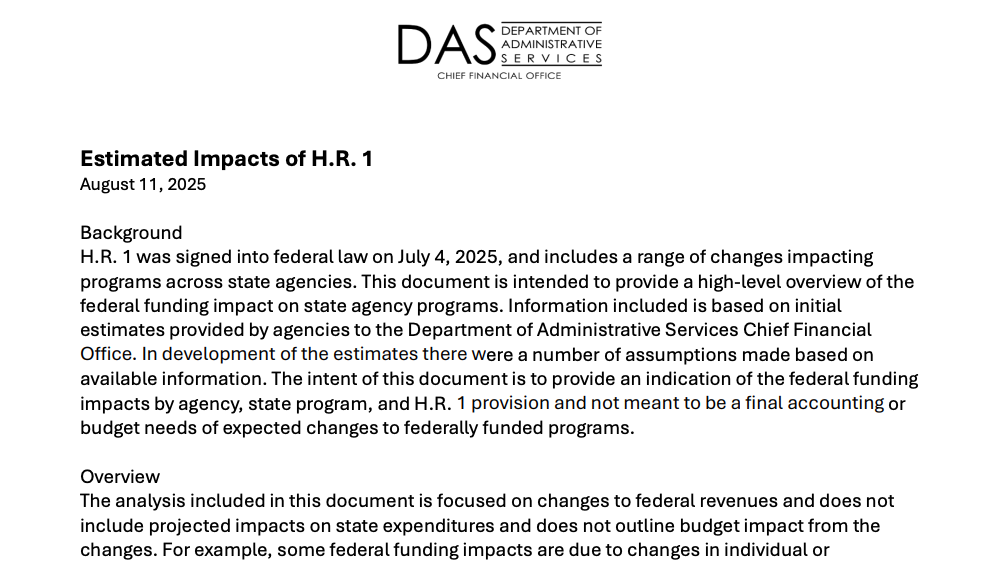
This report provides an initial fiscal analysis of how H.R. 1 (the “One Big Beautiful Bill”) will affect the state’s federally funded programs across agencies, estimating multi-billion-dollar reductions in SNAP, Medicaid, education, and infrastructure revenues.
This guide outlines key strategies, definitions, and procedures for improving SNAP payment accuracy and reducing quality control (QC) error rates across states.
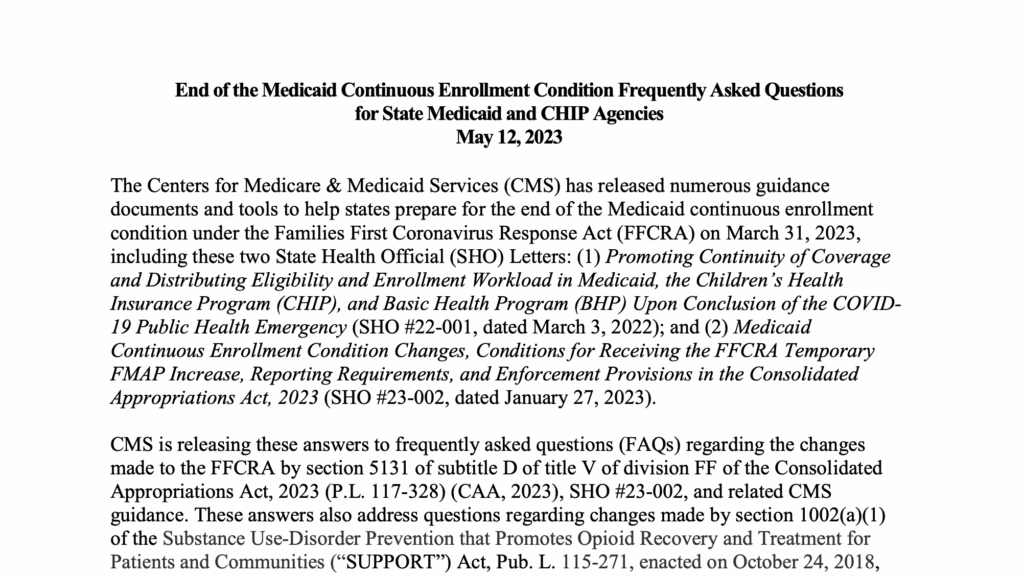
A detailed CMS FAQ document providing federal guidance to state Medicaid and CHIP agencies on policies, procedures, and beneficiary protections following the end of the Medicaid continuous enrollment condition under the Families First Coronavirus Response Act (FFCRA).
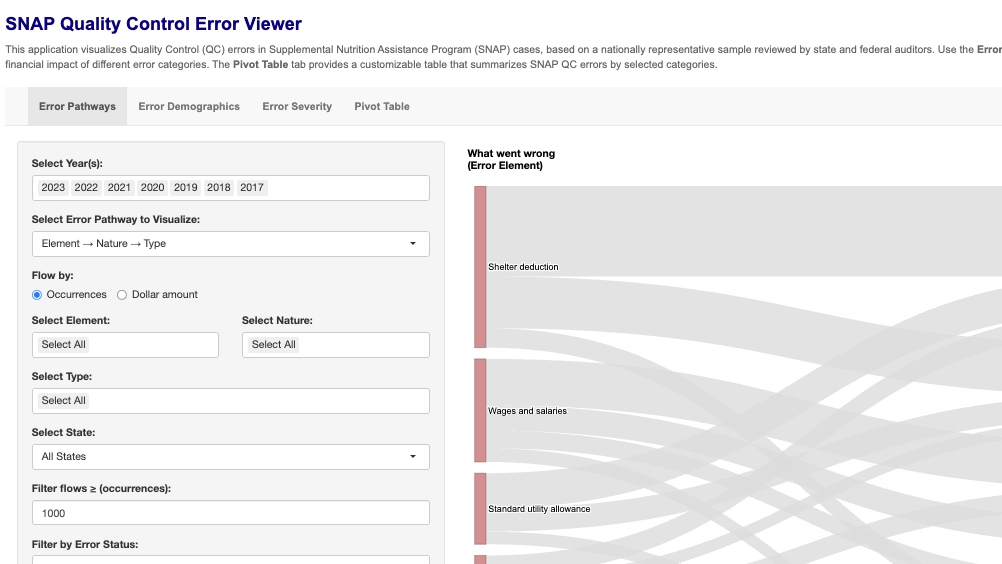
An interactive dashboard that enables users to explore and monitor key metrics of the Supplemental Nutrition Assistance Program (SNAP) Quality Control (QC) system.
A 2025 policy agenda outlining comprehensive federal and state recommendations to eliminate benefits cliffs and strengthen economic mobility for families transitioning off public assistance.
An in-depth report that examines how states use automated eligibility algorithms for home and community-based services (HCBS) under Medicaid and assesses their implications for access and fairness.
This document provides a template for SNAP agencies to use to communicate how they can meet able-bodied adults without dependents (ABAWD) work requirements.
American Public Human Services Association (APHSA)