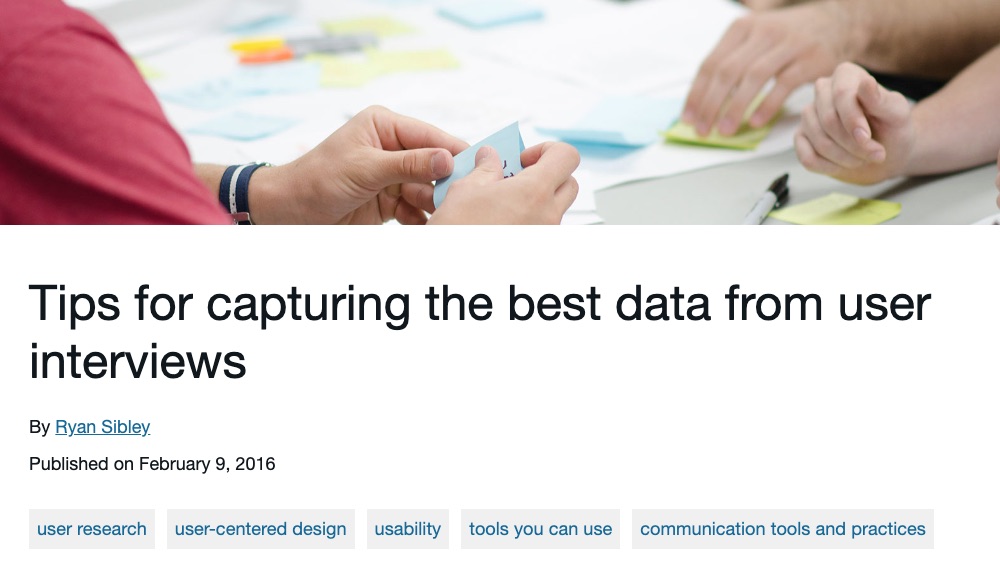
In this blog post, we’ve detailed some of the steps we take to help capture the best data possible when conducting interviews. This post is intended as a guide for people who need to conduct user interviews and for people simply curious about how we work.
Legislative Theatre brings residents, policymakers and activists together into creative, constructive dialogue, to co-create more equitable and effective policies and laws.
This session from FormFest 2024 focused on how governments are scaling their SNAP benefits programs, with Maryland’s improved integrated benefits application and the Office of Evaluation Sciences’ changes to questions on the SNAP application.
The portfolio page outlines federal projects focused on elevating how people interact with government services by prioritizing user needs, accessibility, equity, and consistency across agencies.
This internal glossary defines key terms and concepts related to automating enrollment proofs for public benefits programs to support shared understanding among product and policy teams.
This explores how tax credit systems can be redesigned to better meet the needs of families, especially those facing systemic barriers to filing and receiving benefits.
This article offers three human‑centered strategies to help state agencies implement expanded work reporting requirements in SNAP and Medicaid under H.R. 1 with minimal burden on clients and staff.
This report presents findings and recommendations from a user experience study based on interviews with 156 participants enrolled in Medicaid and SNAP.
This report outlines strategies states can adopt to improve access to SNAP, Medicaid, and WIC programs by leveraging policy options, data coordination, and streamlined service delivery.
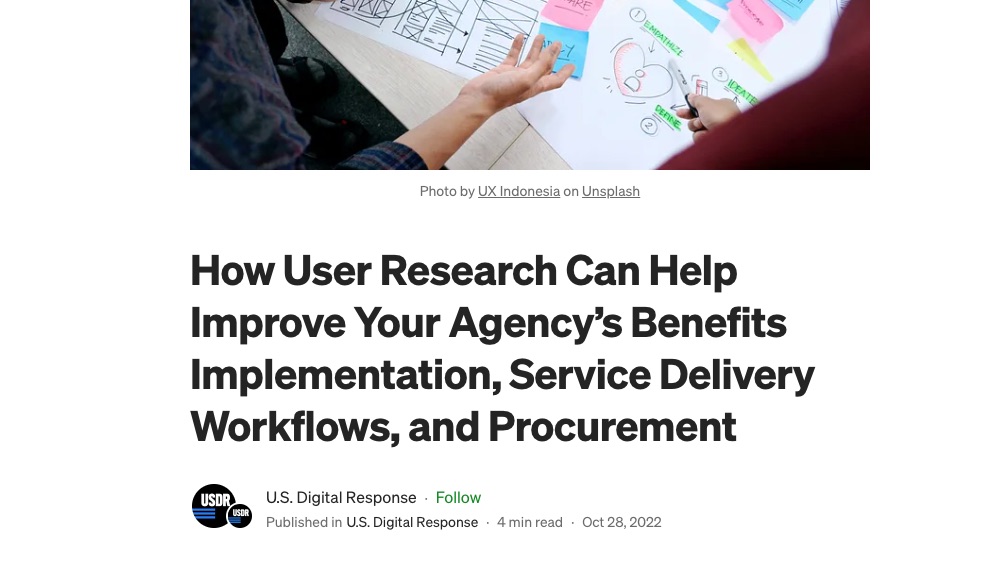
This research used observational research with unemployment insurance (UI) claimants to identify pain points in the application process and inform customer experience improvements.