This report provides an initial fiscal analysis of how H.R. 1 (the “One Big Beautiful Bill”) will affect the state’s federally funded programs across agencies, estimating multi-billion-dollar reductions in SNAP, Medicaid, education, and infrastructure revenues.
This guide outlines key strategies, definitions, and procedures for improving SNAP payment accuracy and reducing quality control (QC) error rates across states.
A report summarizing effective state practices, promising initiatives, and federal resources to improve payment accuracy in the Supplemental Nutrition Assistance Program (SNAP).
This brief provides a framework for states to align and coordinate work requirement implementation across SNAP and Medicaid following the passage of H.R. 1.
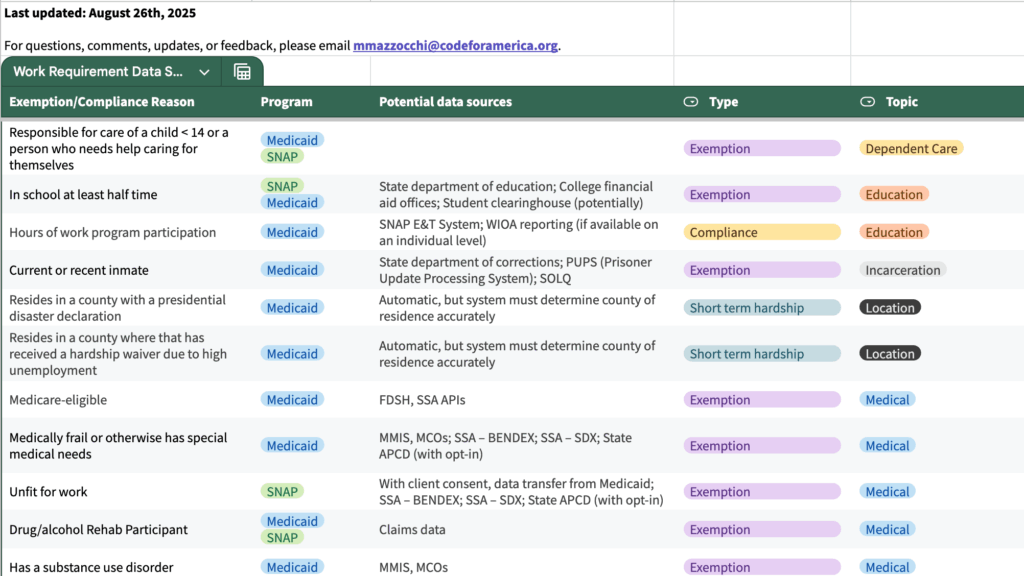
This paper evaluates the technical vendor landscape as states prepare to implement Medicaid work requirements mandated by the H.R. 1 reconciliation law.
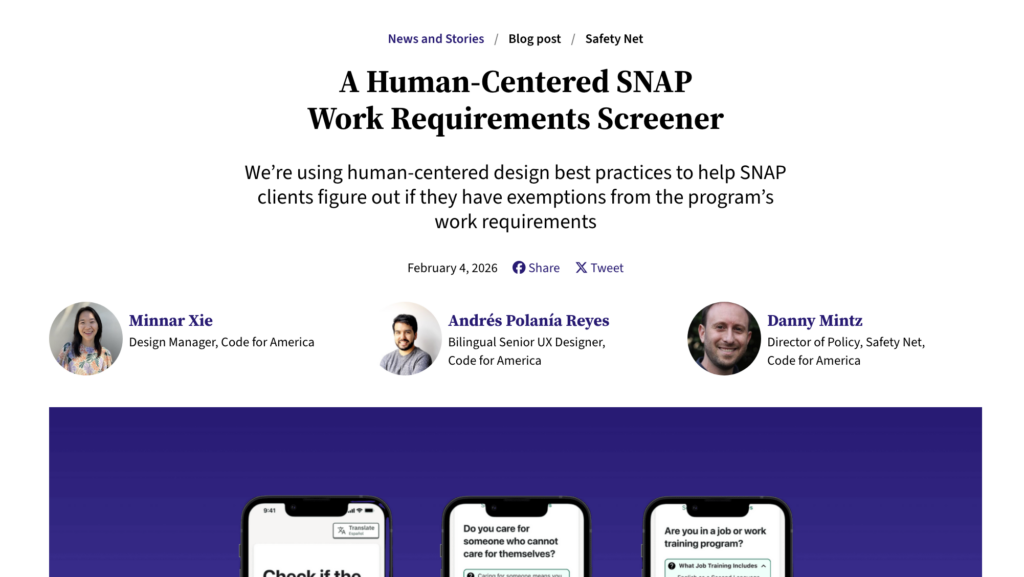
This blog post details the development of a human-centered screening tool designed to help SNAP clients identify and report exemptions from work requirements.
The article examines the effects of Arkansas’s Medicaid work requirements, finding substantial coverage losses and no significant increase in employment, compounded by widespread confusion among beneficiaries about the policy.
This crosswalk compares provisions in H.R. 1 with existing human services policies, focusing on how proposed federal work requirements could affect programs like TANF, SNAP, and Medicaid.
American Public Human Services Association (APHSA)
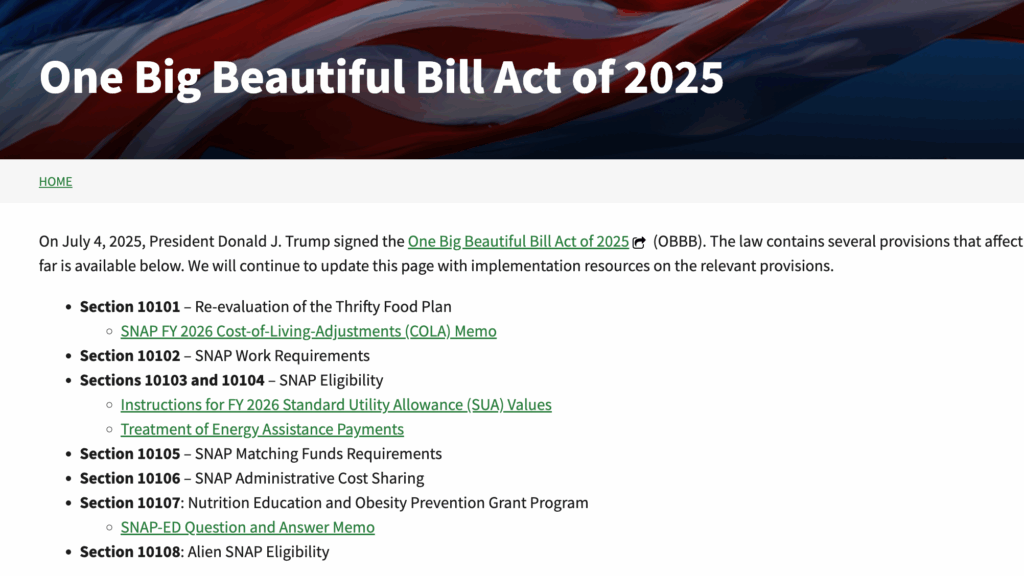
This webpage provides state agency resources and policy memos detailing how the One Big Beautiful Bill Act (H.R. 1) of 2025 affects SNAP implementation.
This budget request details ADES's FY2027 funding priorities—including developmental disability services, child care, IT modernization, and compliance with H.R. 1—and outlines projected fiscal impacts, caseload growth, and programmatic needs across the state