This guide provides practical financing strategies for governments to build, maintain, and expand integrated data systems (IDS) and evaluation capacity using federal and non-federal funding sources.
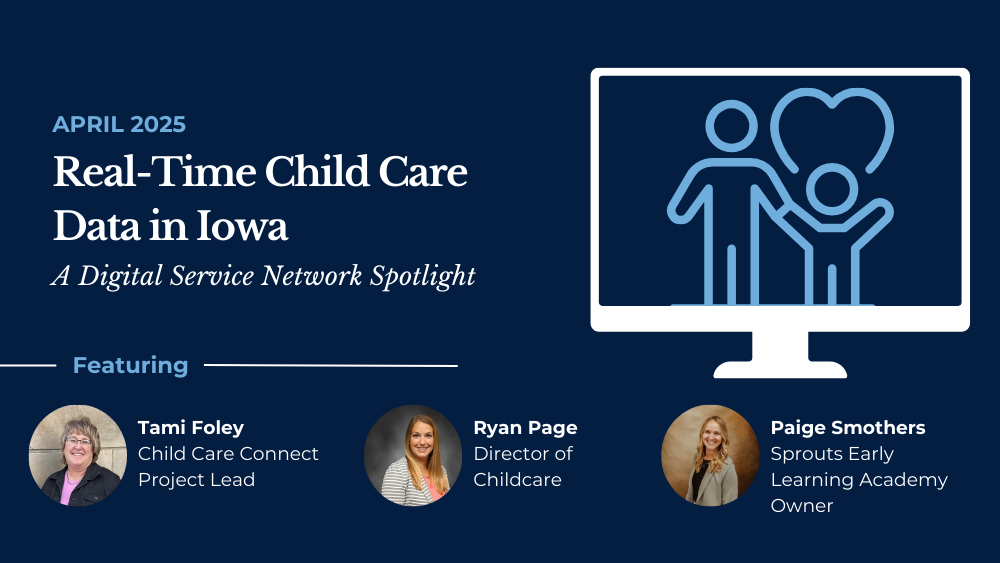
DSN Spotlights are short-form project profiles that feature exciting work happening across our network of digital government practitioners. Spotlights celebrate our members’ stories, lift up actionable takeaways for other practitioners, and put the resources + examples we host in the Digital Government Hub in context.
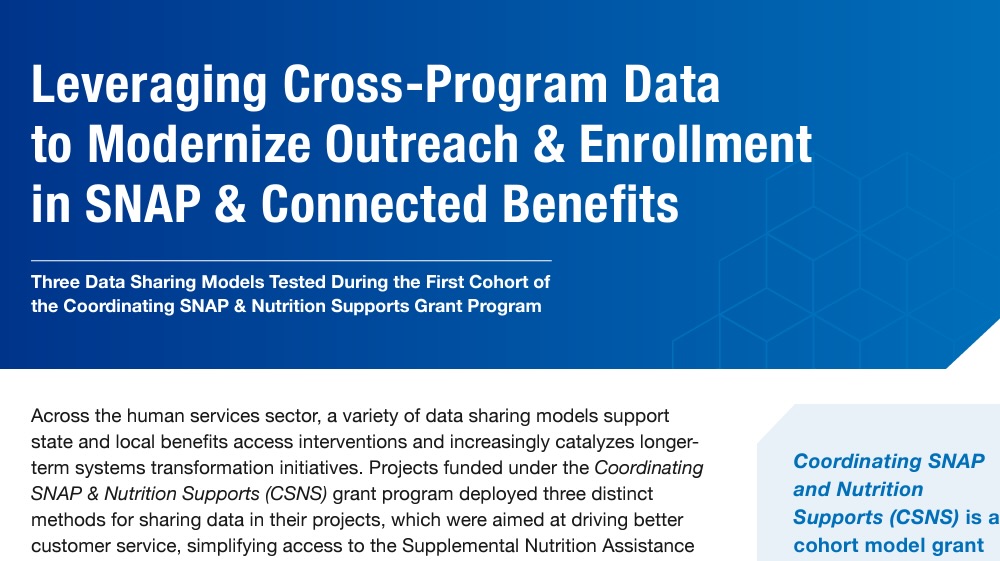
An outline of the opportunities for modernizing SNAP to better meet participant needs by streamlining enrollment, improving digital access, and enhancing coordination with other safety net services.
A foundational guide that introduces the principles, governance considerations, and technical approaches involved in sharing and integrating administrative data across organizations.
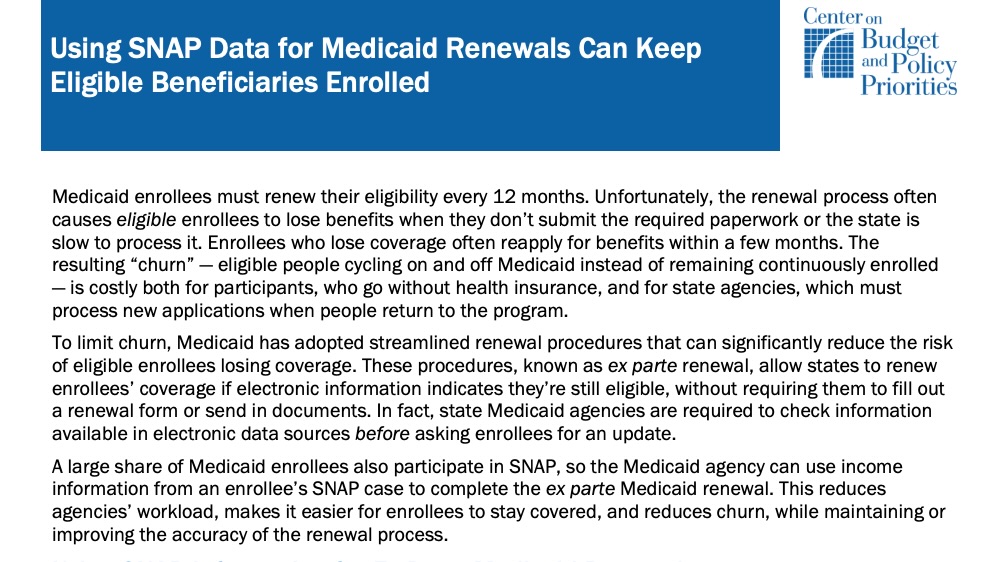
The report discusses how state Medicaid agencies can utilize Supplemental Nutrition Assistance Program (SNAP) data to streamline the Medicaid renewal process, thereby maintaining coverage for eligible beneficiaries.
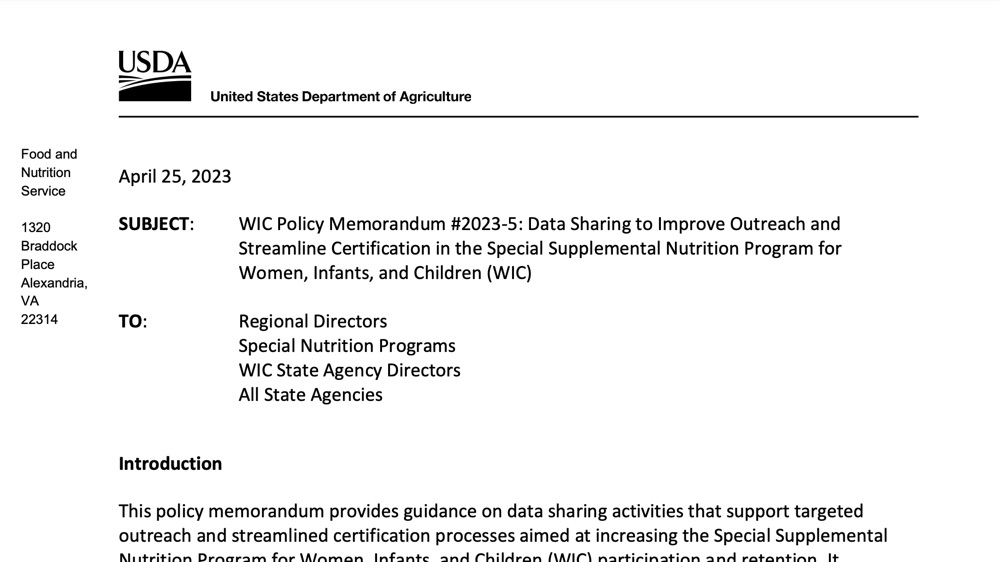
This policy memorandum from the Food and Nutrition Service (FNS) provides guidance on data sharing activities that support targeted outreach and streamlined certification processes aimed at increasing the Special Supplemental Nutrition Program for Women, Infants, and Children (WIC) participation and retention.
This one-pager introduces Iowa Child Care Connect (C3), a centralized data system that integrates near-real-time child care data to support families, providers, policymakers, and economic development efforts across the state.
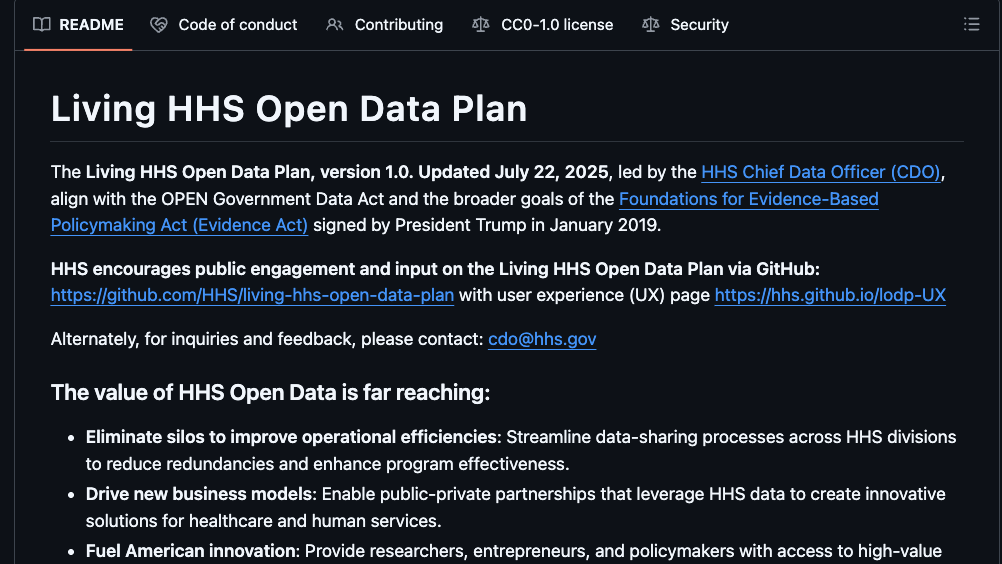
This is a modular, dynamic roadmap guides the U.S. HHS's ongoing implementation of open data policies while inviting public collaboration and feedback.
U.S. Department of Health and Human Services (HHS)
This resource provides examples and practical guides that explain how to use existing regulations and data sharing agreements to transfer client information or eligibility status between benefit programs.