This paper describes the policy choices, business practices, and technology innovations that the State of New Jersey is employing to ensure that the right people get benefits — accurately and on time.
This report outlines how modernizing unemployment insurance (UI) technology with a worker-centered approach can improve access, efficiency, and equity in the UI system.
Differing federal requirements for public benefit applications create significant barriers for applicants and complicate state efforts to integrate services.
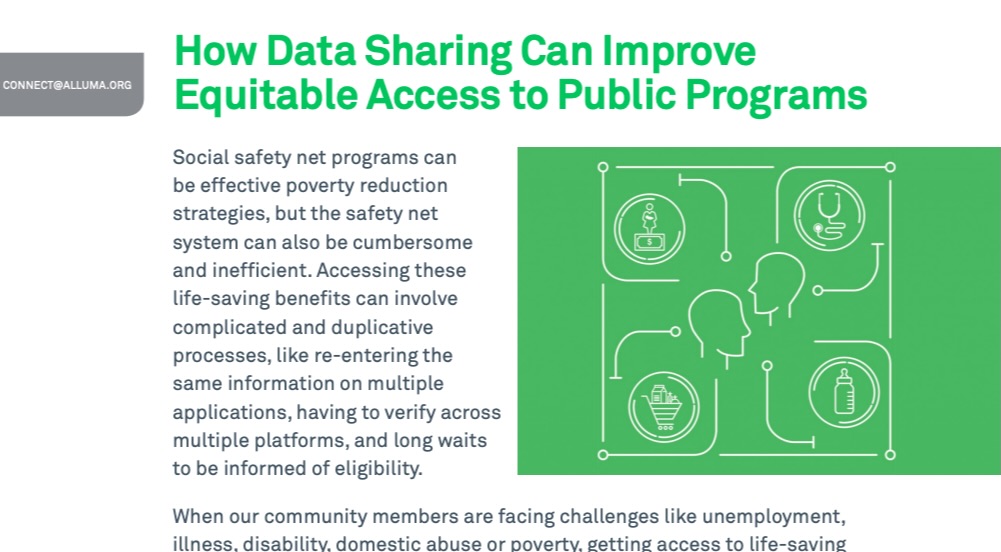
Accessing safety net benefits can involve complicated and duplicative processes that create barriers to access. Using cross-enrollment strategies can minimize the difficulties community members face in getting access to life-saving resources.
A case study of the Hawai‘i Career Acceleration Navigator — an accessible, data-driven and full-service government platform for unemployed people and other jobseekers to search for jobs and access supportive service benefits.
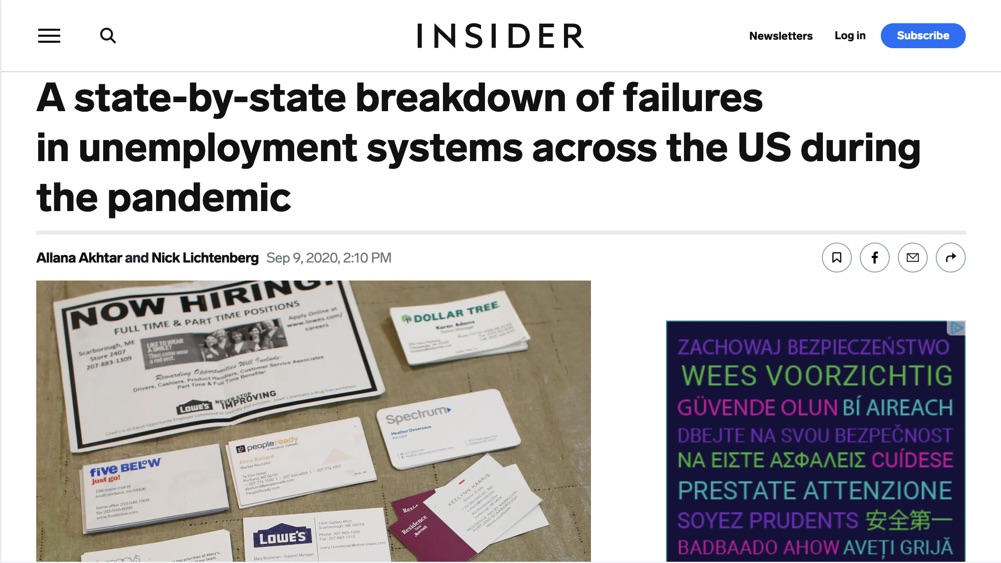
This article examines how outdated state unemployment insurance (UI) systems struggled during the COVID-19 pandemic, leading to delays, technical failures, and widespread frustration for job seekers.
Innovators inside and outside of government are working to improve access to the social safety net using data, technology, and design. This report highlights innovations carried out by The Rockefeller Foundation’s Data and Technology grantees from 2018 to 2021, including extraordinary efforts to meet the challenges of the pandemic. Those grantees are: Benefits Data Trust, Code for America, Georgetown University’s Beeck Center for Social Impact and Innovation, U.S. Digital Response, and the Digital Innovation and Governance Initiative at New America. In 2020, these projects secured more than $200 million in benefits for close to 100,000 people across at least 36 states, and helped millions more through policy change, training, and guidance.
This resource provides guidance on streamlining enrollment across public benefit programs to improve efficiency, reduce administrative burdens, and enhance access for eligible individuals and families.
This guide discusses general characteristics shared by organizations that have successfully created accessible content, and includes case studies that showcase characteristics of successful accessible content teams.
The report examines how current remote identity proofing methods can create barriers to Medicaid enrollment and suggests improvements to ensure equitable access for all applicants.
This webinar session discusses the importance of using CX metrics to guide agency-level decisions and how to gather, analyze, and apply customer feedback to optimize products and services.