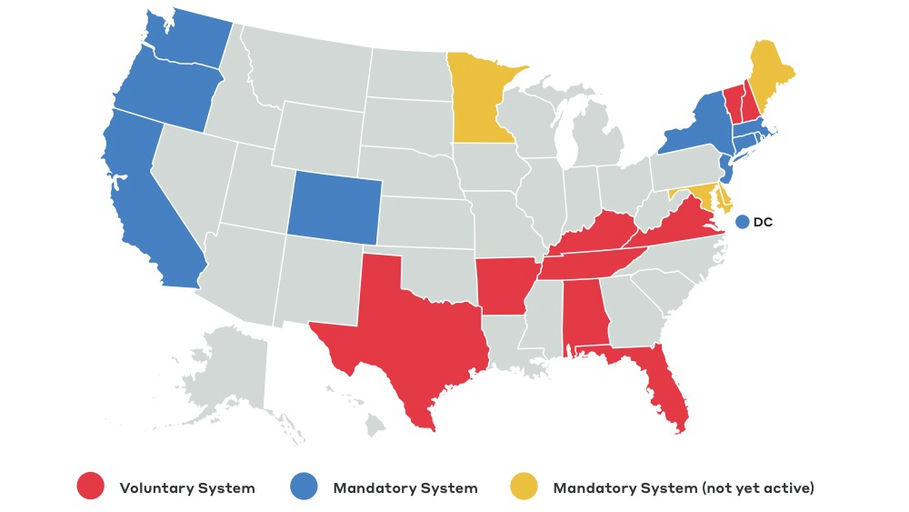
While millions of workers have gained access to PFML, the lack of uniformity in mandatory PFML programs created a growing patchwork of state laws, differing on nearly 30 policy components across four key areas: substantive benefits, financing, eligibility, and administrative requirements.
The article analyzes the impacts of Arkansas's Medicaid work requirements, finding that while coverage losses were reversed after the policy was halted, it did not improve employment and led to negative consequences such as increased medical debt and delayed care.
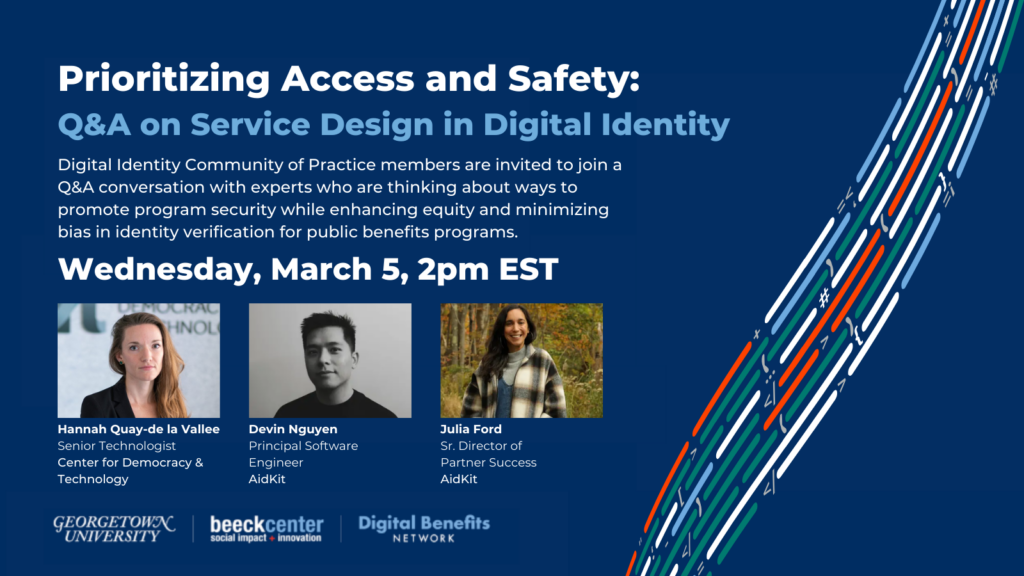
The Digital Benefit Network's Digital Identity Community of Practice held a session to hear considerations from civil rights technologists and human-centered design practitioners on ways to ensure program security while simultaneously promoting equity, enabling accessibility, and minimizing bias.
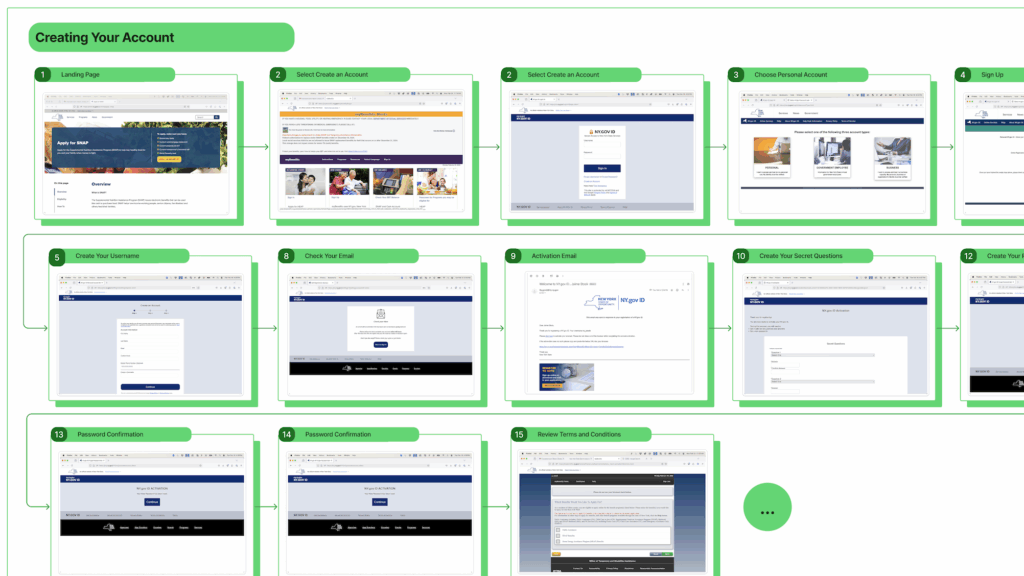
Created for use in the Digital Doorways research project, this design stimuli shows the steps of submitting an application, sharing personal information, and verifying identity for New York's integrated online application that includes SNAP and Medicaid.
An article examining how automation and AI are being used in welfare systems, arguing that digital benefits administration often reproduces longstanding patterns of surveillance, exclusion, and inequality.
The US Digital response partnered with dozens of states, counties, and cities to support them in using and tracking CARES Act grants. This article presents six lessons learned from their work to help governments better assist residents, particularly small businesses and low-income communities.
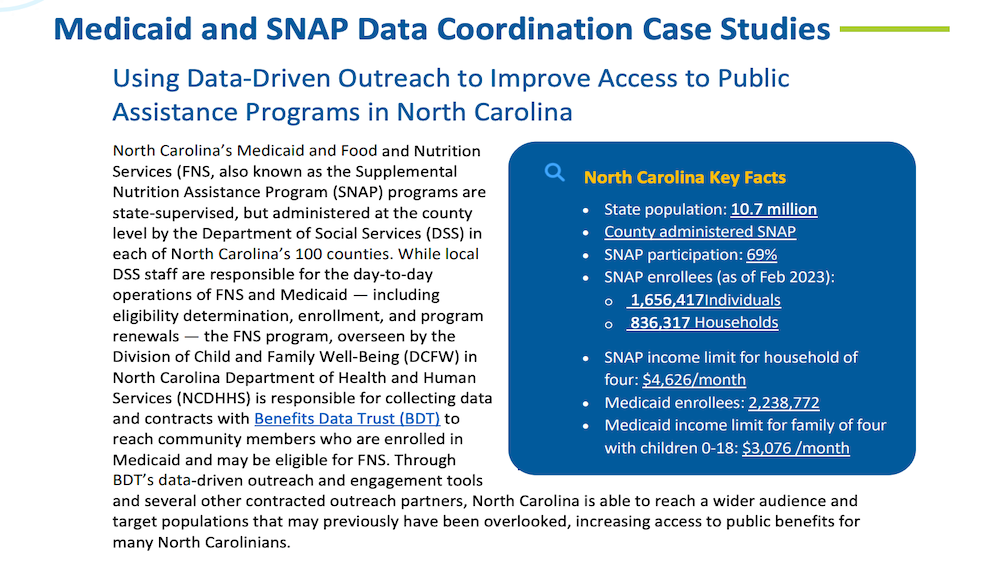
This case study series highlights innovative state strategies to improve data coordination between SNAP and Medicaid agencies and increase access for eligible people.
Michigan's UIA director, Julia Dale, is leading the agency through transition by prioritizing lived experience, hope, grit, and values. Virginia's SNAP Program Manager, Michele Thomas, highlighted the success of Sun Bucks, a summer EBT child nutrition program that fed over 700,000 kids in its first year.