In this blog post, we’ve detailed some of the steps we take to help capture the best data possible when conducting interviews. This post is intended as a guide for people who need to conduct user interviews and for people simply curious about how we work.
The Community-Driven Policies and Practices project engaged people experiencing poverty in power-building sessions to develop advocacy plans for economic justice. This report offers recommendations for nonprofits to engage people with lived experience of poverty in advocacy.
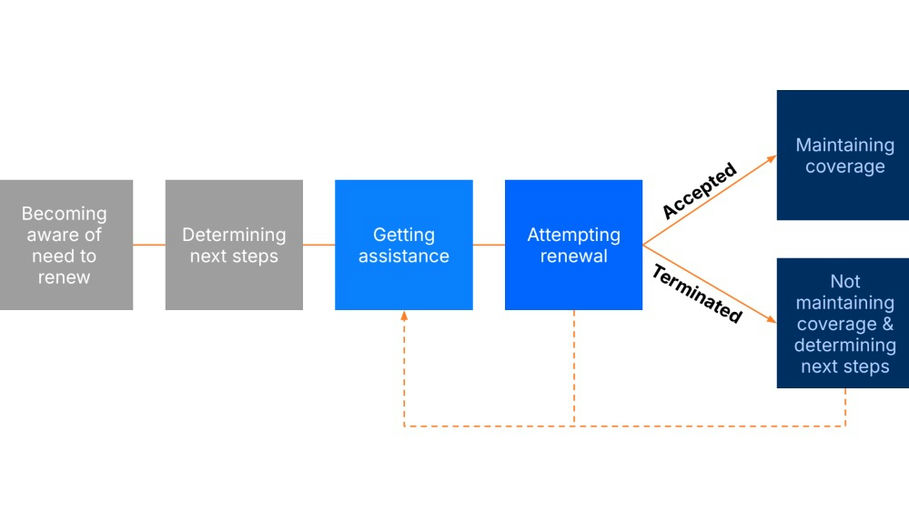
Based on user interviews with families across the United States who navigated the Medicaid renewal process, this report offers insights and recommendations for improving the experience of renewing Medicaid and other benefits.
The Digital Service Network worked closely with stakeholders from the Texas Education Academy (TEA) to develop resources for a structured approach in helping identify and better understand core challenges in government digital delivery.
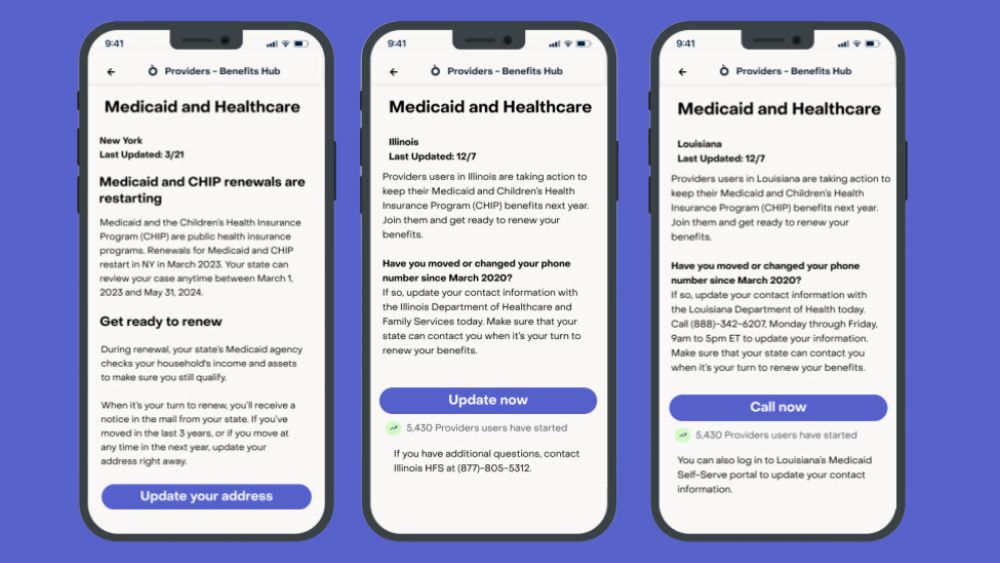
Propel describes how its mobile app outreach campaign helped millions of Medicaid enrollees navigate renewal during the post-pandemic “unwinding” by driving action through notifications, messaging, and in-app tools.
This guidance provides detail on activities to be conducted by designated High-Impact Service Providers (HISPs) under the Executive Order on Customer Experience.
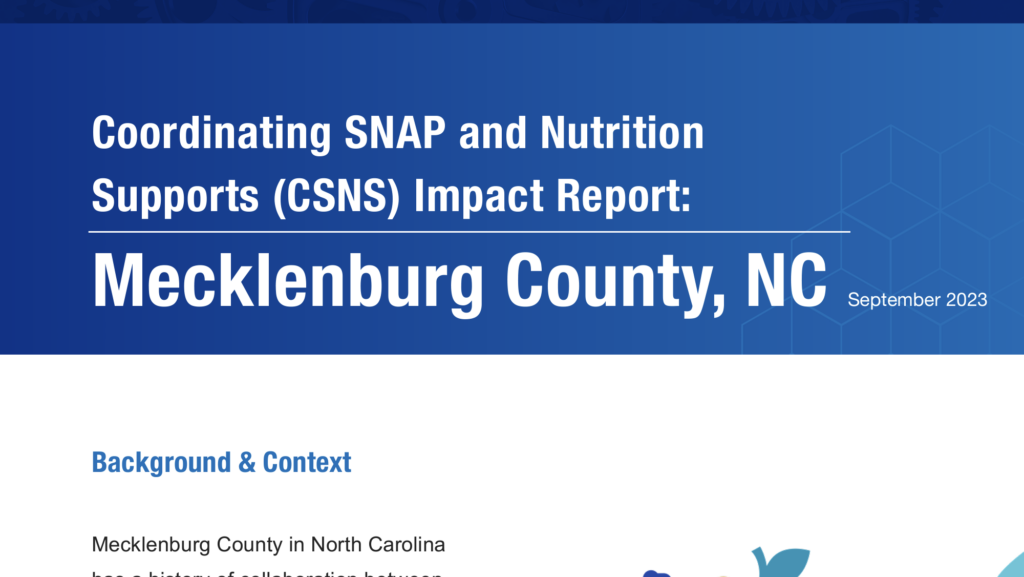
Through the Coordinating SNAP & Nutrition Supports program, Mecklenburg County, NC leveraged a Food Security Navigator model and data analysis to increase access to nutrition supports. This report documents best practices and lessons learned from their project.
American Public Human Services Association (APHSA)
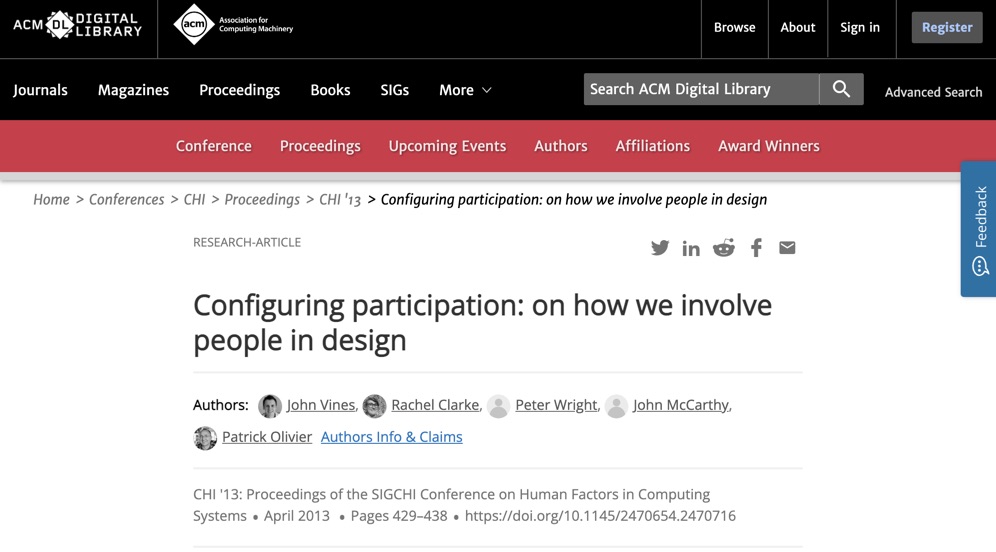
This paper examines three key questions in participatory HCI: who initiates, directs, and benefits from user participation; in what forms it occurs; and how control is shared with users, while addressing conceptual, ethical, and pragmatic challenges, and suggesting future research directions.