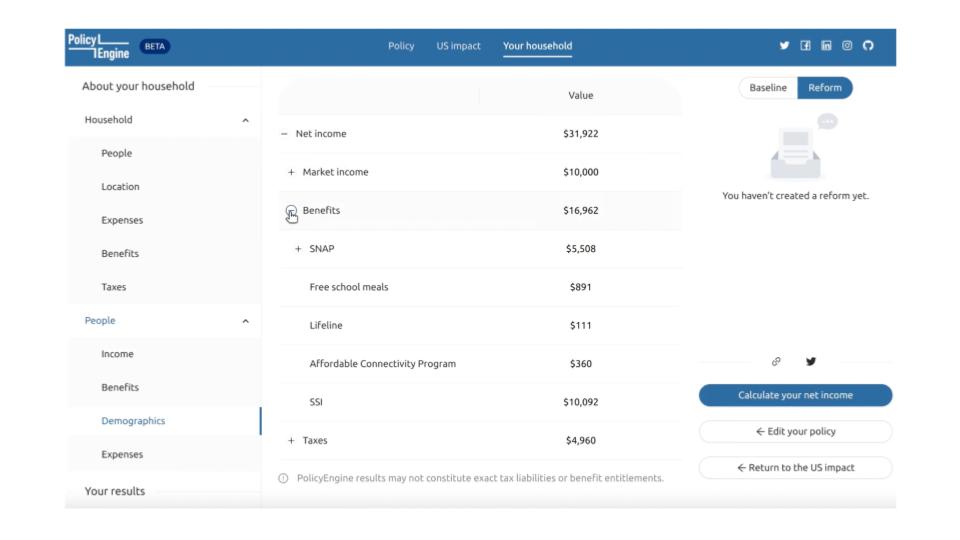
PolicyEngine is a nonprofit that provides a free, open-source web app enabling users in the US and UK to estimate taxes and benefits at the household level, while also simulating the effects of policy changes. By combining tax and benefits data, PolicyEngine helps individuals and policymakers better understand the impacts of existing policies and proposed reforms, using microsimulation models built from legislation and enhanced survey data.
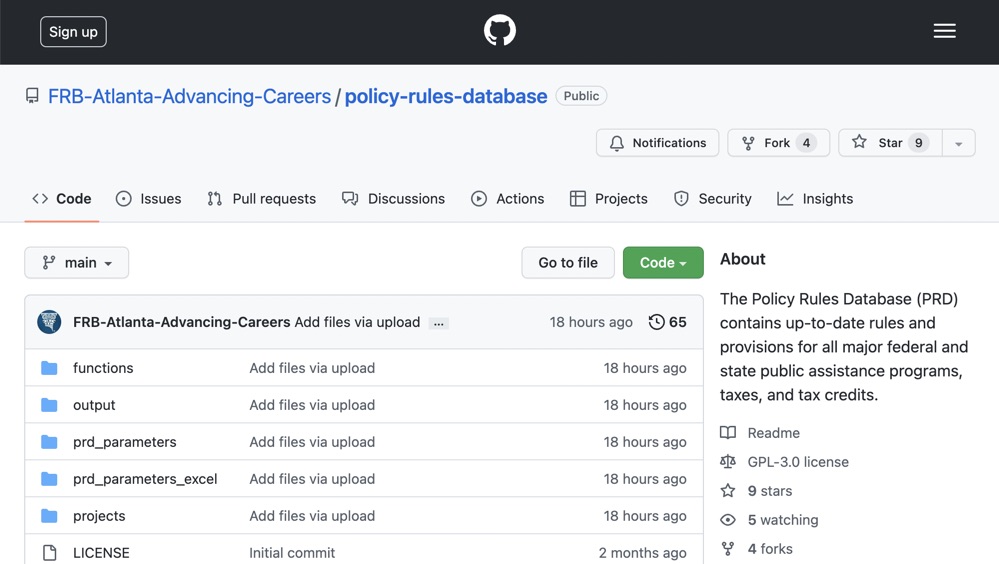
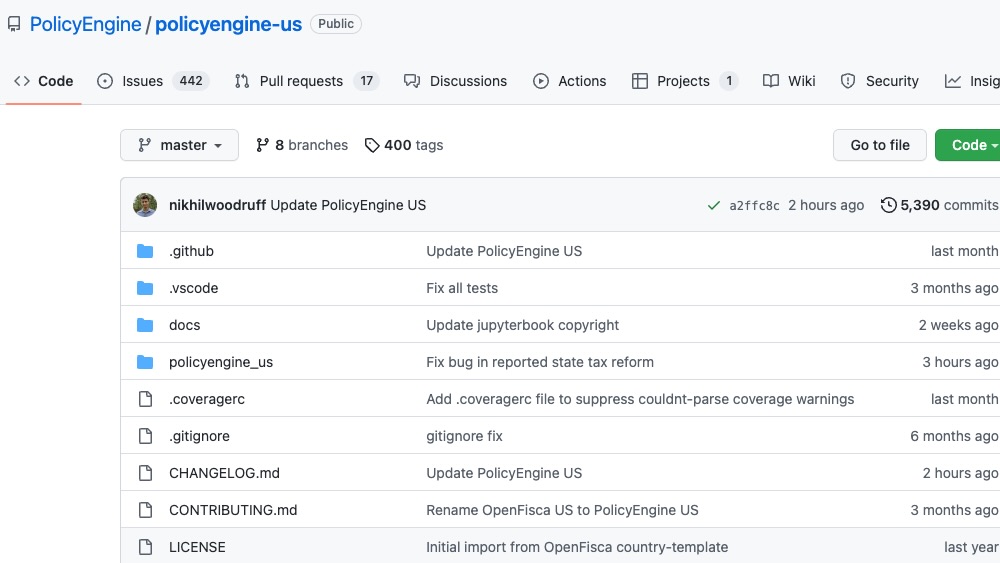
Github repository for Policy Rules Database, which encodes up-to-date rules and provisions for all major federal and state public assistance programs, taxes, and tax credits.
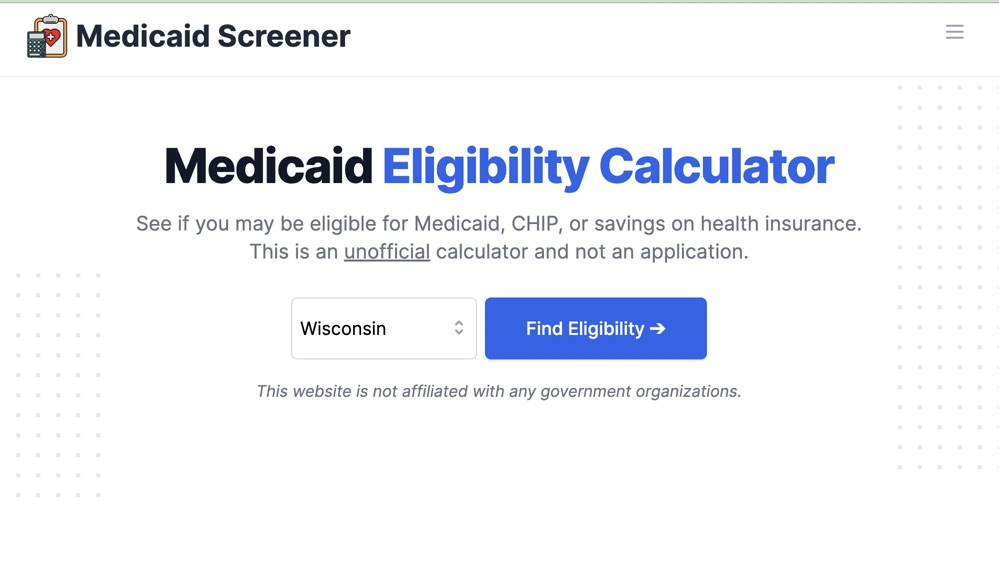
Unofficial calculator allowing users to see if they may be eligible for Medicaid, CHIP, or savings on health insurance. The calculator can be embedded on other websites.
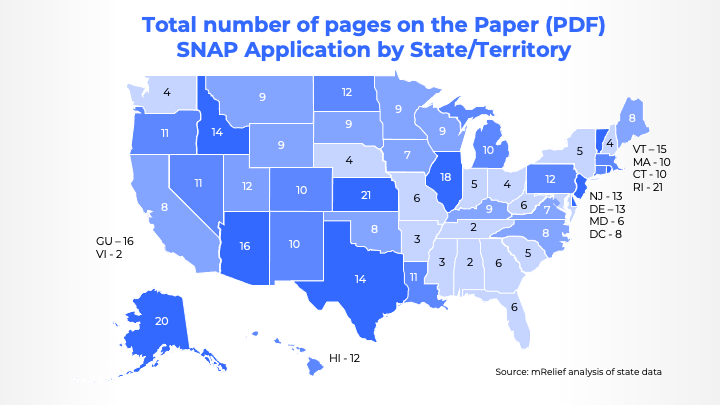
The Average Food Stamp Application is 17 Pages Long article by mRelief highlights the extensive length and complexity of Supplemental Nutrition Assistance Program (SNAP) applications, which can deter eligible individuals from applying for benefits.
mRelief recently completed a research study to investigate whether there are specific parts of the Supplemental Nutrition Assistance Program (SNAP; also known as food stamps) benefits application process that make it difficult to complete. We conducted interviews with mRelief users and SNAP outreach workers (individuals whose job responsibilities include providing SNAP application assistance in person or over the phone) in Illinois. We also conducted group interviews with SNAP outreach workers to collaborate with them to uncover findings and develop recommendations.
This research summary presents findings from a randomized controlled trial demonstrating how mRelief’s simplified SNAP application significantly increases application rates among eligible individuals.
An America where no one experiences poverty is possible. Already, the U.S. has programs with the potential to make this vision a reality, including programs that provide cash assistance, like Temporary Assistance for Needy Families (TANF). The current TANF program provides very little cash assistance and is marked by stark racial disparities, but it has the potential to reduce child poverty, increase economic security, and advance racial equity. This report offers a vision for an anti-racist approach to the TANF program, with new statutory goals and policy recommendations to advance racial justice.
PolicyEngine US is a Python-based microsimulation model of the US tax and benefit system. It models federal individual income taxes (including credits), major benefit programs, and state income taxes (currently in six states). The PolicyEngine US package can be used as a Python package, via the PolicyEngine API, or via the policyengine.org web app.
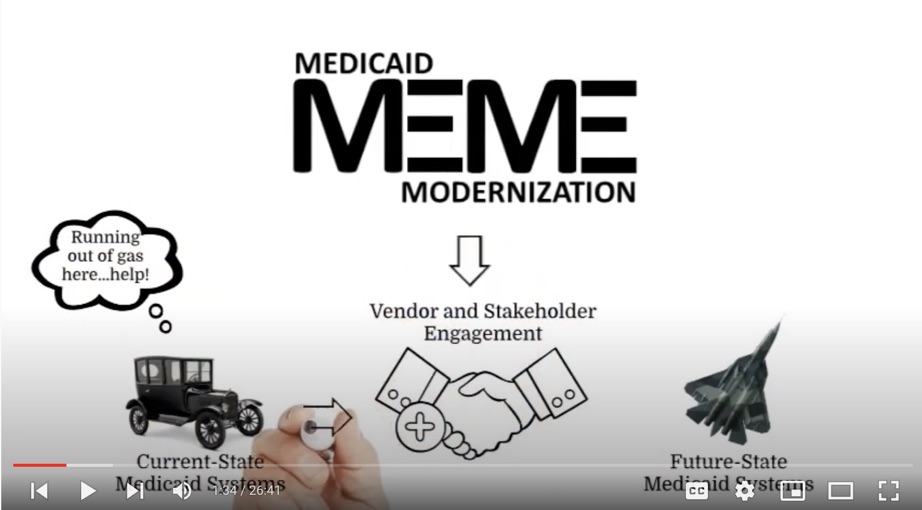
This artifact is a telestration video introducing Iowa Medicaid's Medicaid Enterprise Modernization Effort (MEME) initiative, providing vendors with background information and strategic outcome priority goals to elicit feedback from the vendor community via Request for Information (RFI).
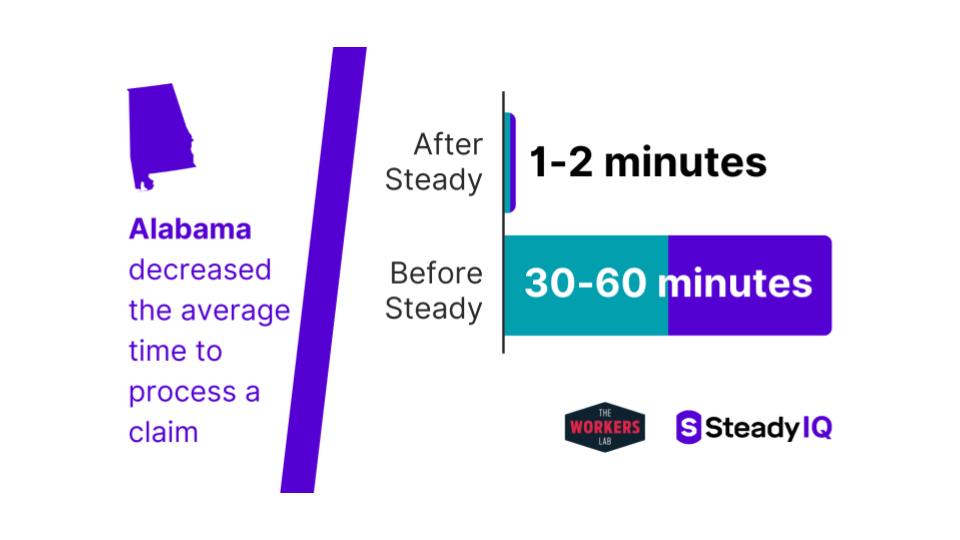
In response to COVID-19, the Workers Lab and Steady developed the "Income Passport" to streamline gig workers' unemployment benefit applications by pulling income data directly from gig platforms and financial accounts. This tool reduced manual verification time, helped prevent fraud, and improved workers' access to full benefits, with successful tests in Alabama and Louisiana demonstrating significant time savings and improved service delivery.
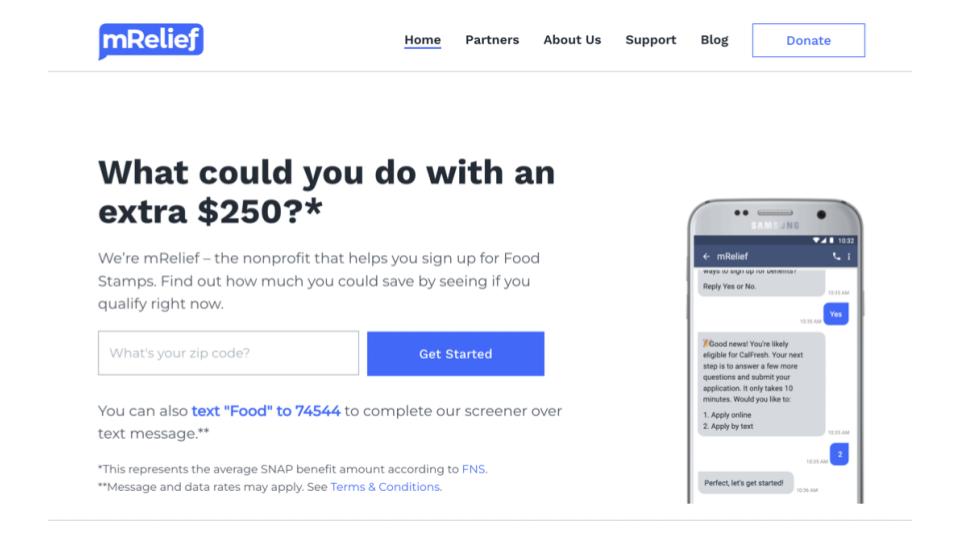
mRelief is a nonprofit that helps individuals in all 53 U.S. states and territories determine SNAP eligibility and apply using easy-to-use web and text tools. Their simplified, inclusive approach has supported over 2.7 million people and unlocked over $1 billion in benefits, focusing on minimizing barriers and adapting eligibility rules across states.
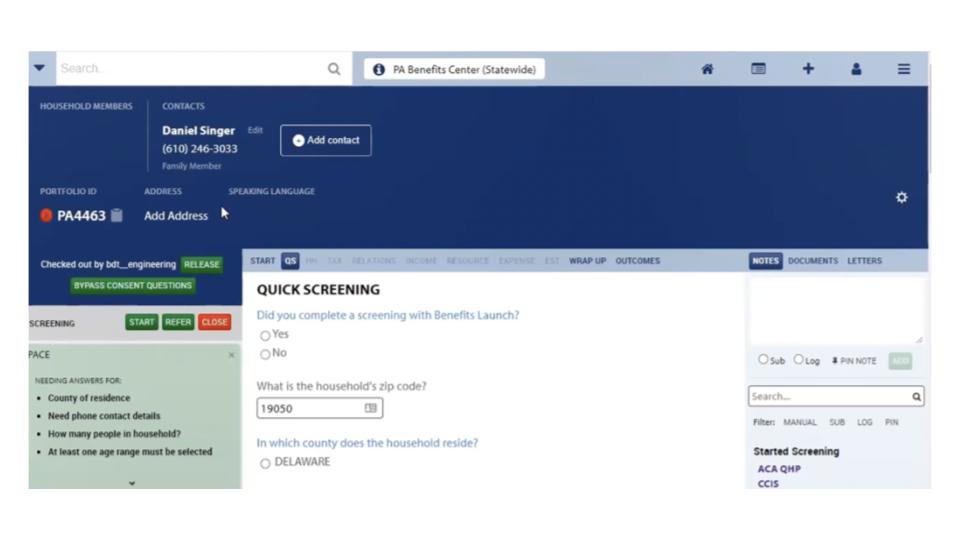
Benefits Data Trust (BDT) is a nonprofit that connects people to public benefits through a streamlined, phone-based application system called Benefits Launch, which reduces redundant questions and speeds up the process for multiple programs. BDT's approach, supported by a custom-built rules engine, has facilitated over 800,000 benefit enrollments, helping secure over $9 billion for eligible households across seven states.