This brief provides a summary of potential federal funding sources and programs that can be used to support programs specifically targeted towards young families. While this list is not exhaustive, it highlights major sources that can serve as a starting point for braiding and blending of funding to create comprehensive programming to serve young families.
American Public Human Services Association (APHSA)
The FileYourStateTaxes pilot successfully integrated state tax filing with the IRS Direct File program, improving taxpayer experience and reducing filing burdens.
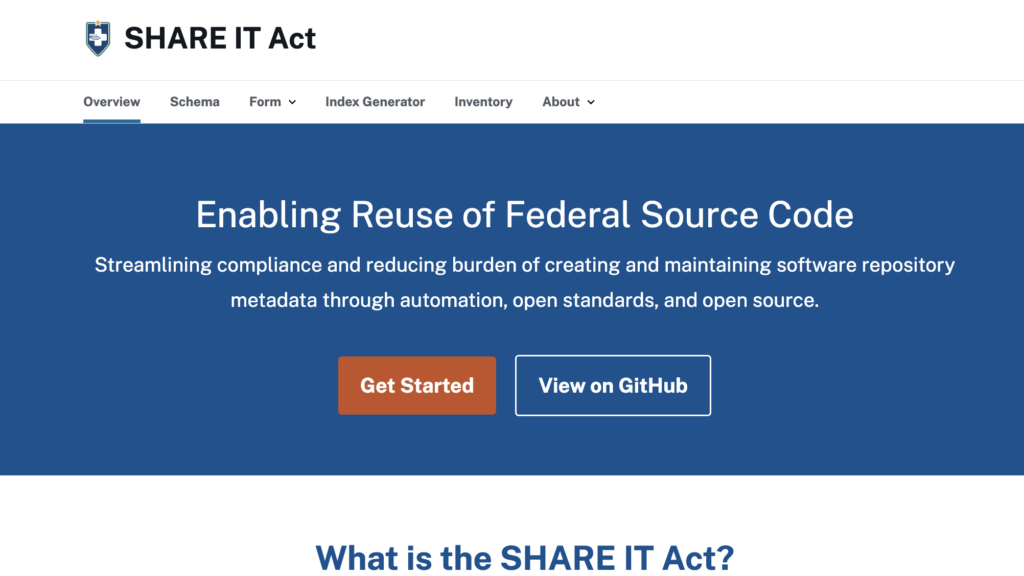
A public web guide designed to help federal agencies understand and implement the SHARE IT Act’s code-sharing requirements, with documentation, tools, and procedural resources for compliance.
U.S. Department of Health and Human Services (HHS)
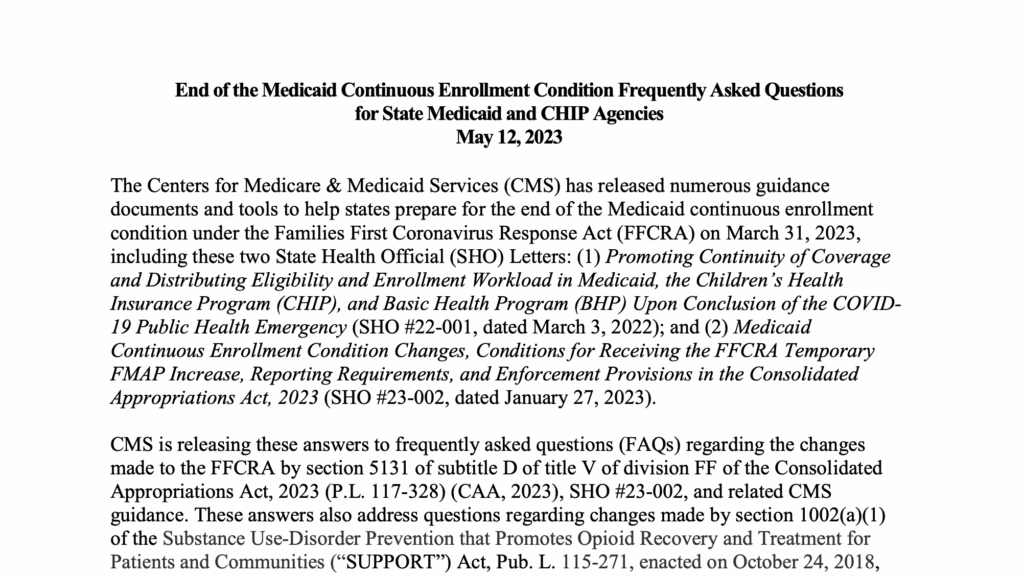
A detailed CMS FAQ document providing federal guidance to state Medicaid and CHIP agencies on policies, procedures, and beneficiary protections following the end of the Medicaid continuous enrollment condition under the Families First Coronavirus Response Act (FFCRA).
A research report that defines different local early childhood governance models and explains how communities can choose and design governance structures to support effective early care and education systems.
This section of the Building Resilience plan outlines strategies to improve reemployment outcomes for unemployment insurance (UI) claimants by expanding access to services, updating work search requirements, and increasing use of Short-Time Compensation programs.
These fact sheets provide detailed, state-specific data illustrating SNAP's role in reducing hunger and bolstering local economies across the United States
Michigan's UIA director, Julia Dale, is leading the agency through transition by prioritizing lived experience, hope, grit, and values. Virginia's SNAP Program Manager, Michele Thomas, highlighted the success of Sun Bucks, a summer EBT child nutrition program that fed over 700,000 kids in its first year.