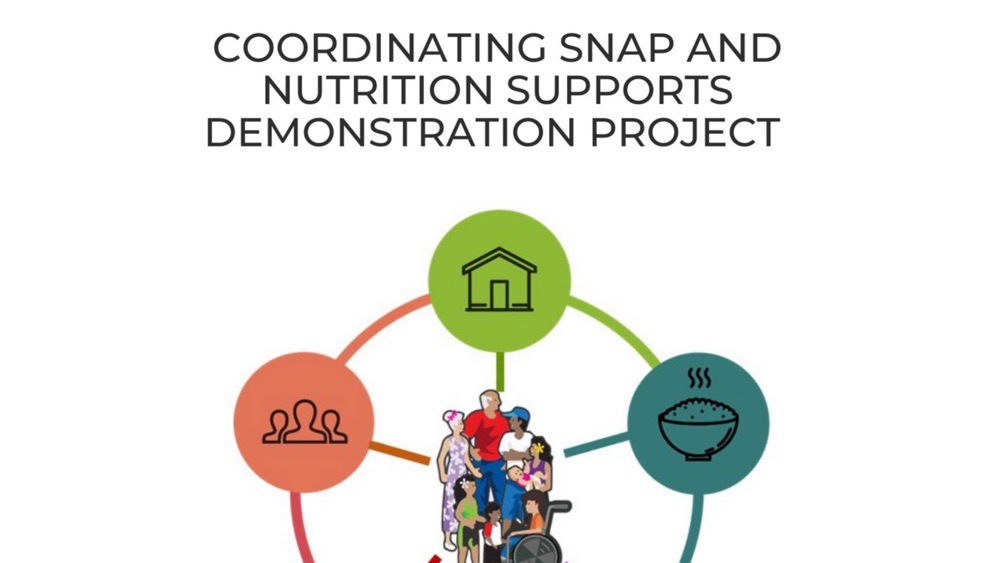
This white paper documents Hawai'i's journey and lessons learned from their 18-month Coordinating SNAP and Nutrition Supports project which laid the foundation for interagency data-sharing and built capacity to analyze administrative data across nutrition programs--specifically SNAP and WIC.
ACCESS NYC aims to increase the accessibility and convenience of discovering and enrolling in government benefits. These patterns support this work by defining the UI and behavior that New Yorkers experience as they use the site.
The report highlights that many eligible low-income children are not receiving WIC benefits during the COVID-19 pandemic, with participation rates varying significantly by state and lagging behind programs like Medicaid and SNAP.
The New Mexico Human Services Department and Department of Health, as part of the Coordinating SNAP & Nutrition Supports program, leveraged data sharing to align SNAP, Medicaid, TANF, and WIC.
American Public Human Services Association (APHSA)
The DBN’s Rules as Code Community of Practice (RaC CoP) creates a shared learning and exchange space for people working on public benefits eligibility and enrollment systems — and specifically people tackling the issue of how policy becomes software code.
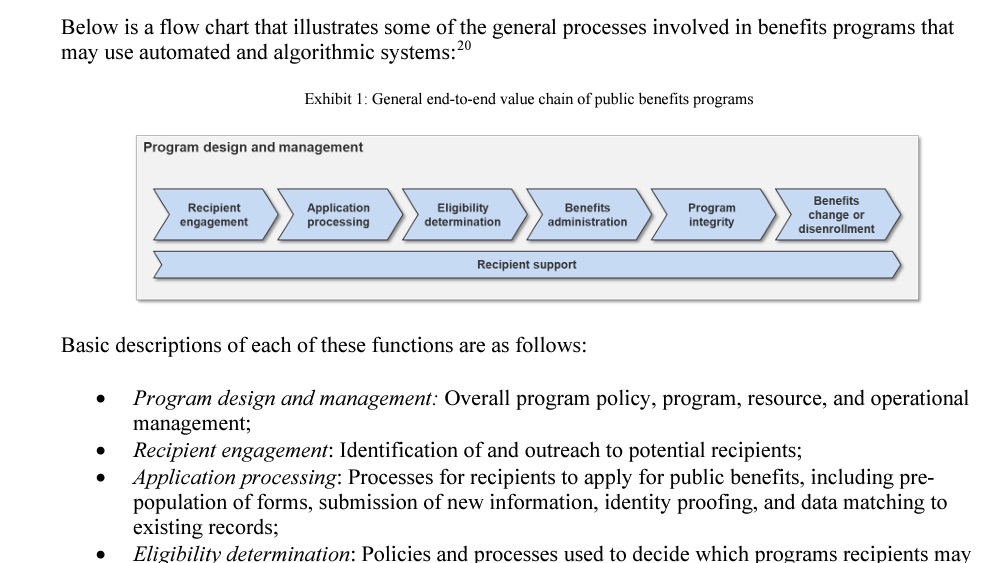
This plan promotes responsible AI use in public benefits administration by state, local, tribal, and territorial governments, aiming to enhance program effectiveness and efficiency while meeting recipient needs.
U.S. Department of Health and Human Services (HHS)
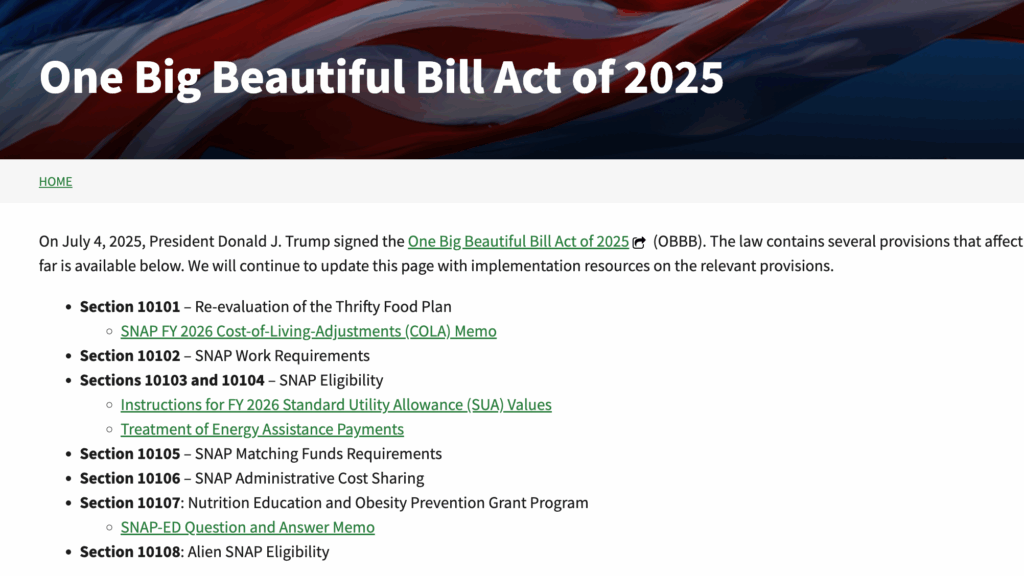
This webpage provides state agency resources and policy memos detailing how the One Big Beautiful Bill Act (H.R. 1) of 2025 affects SNAP implementation.
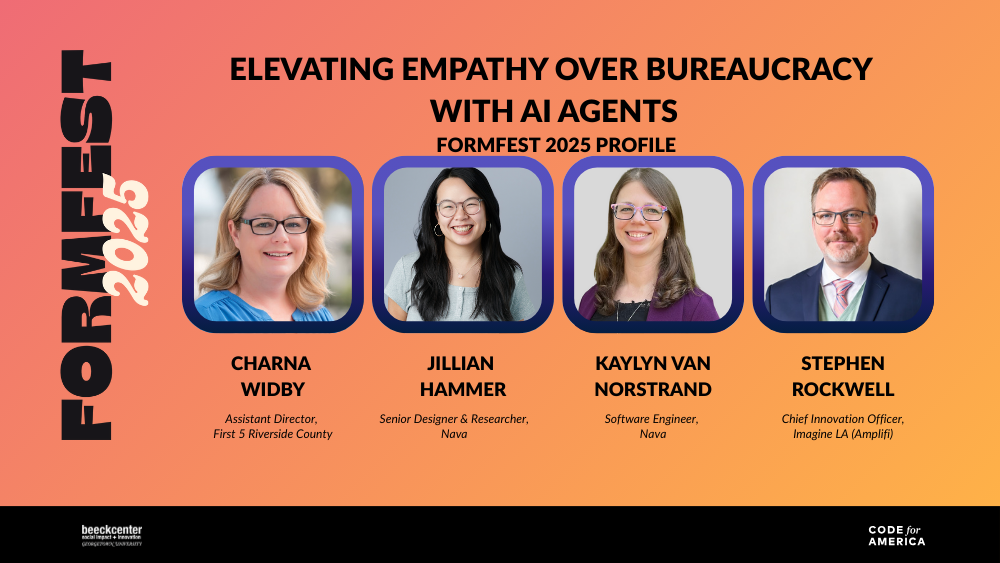
This FormFest profile highlights Riverside County’s pilot of AI-powered interviews that streamline benefit applications, reducing bureaucratic burden on families in crisis while freeing caseworkers to focus on human connection.
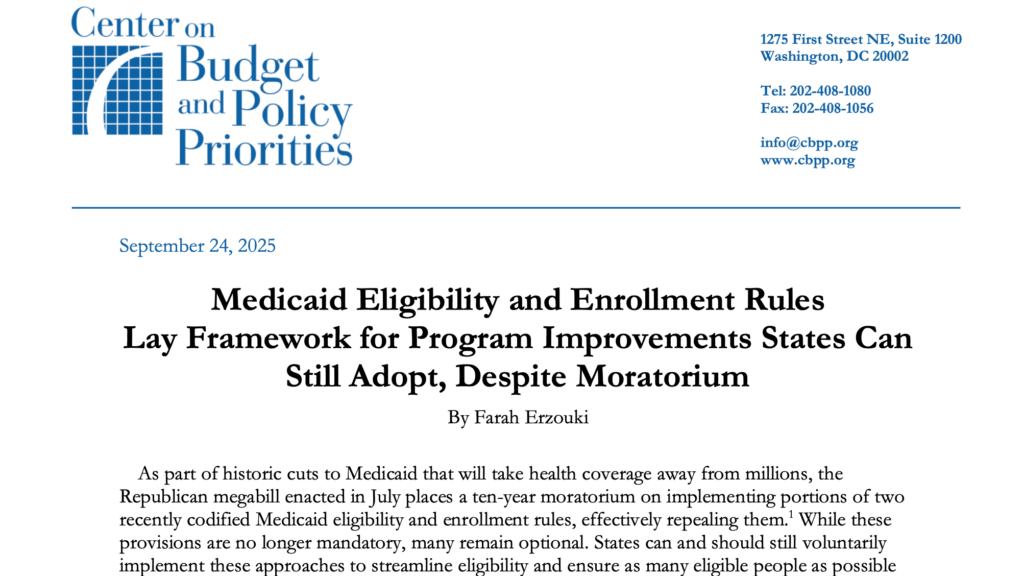
This report explains how states can continue to voluntarily implement key Medicaid and CHIP eligibility and enrollment improvements—originally required by two federal rules—despite a ten-year moratorium enacted in July 2025 that blocks their mandatory enforcement
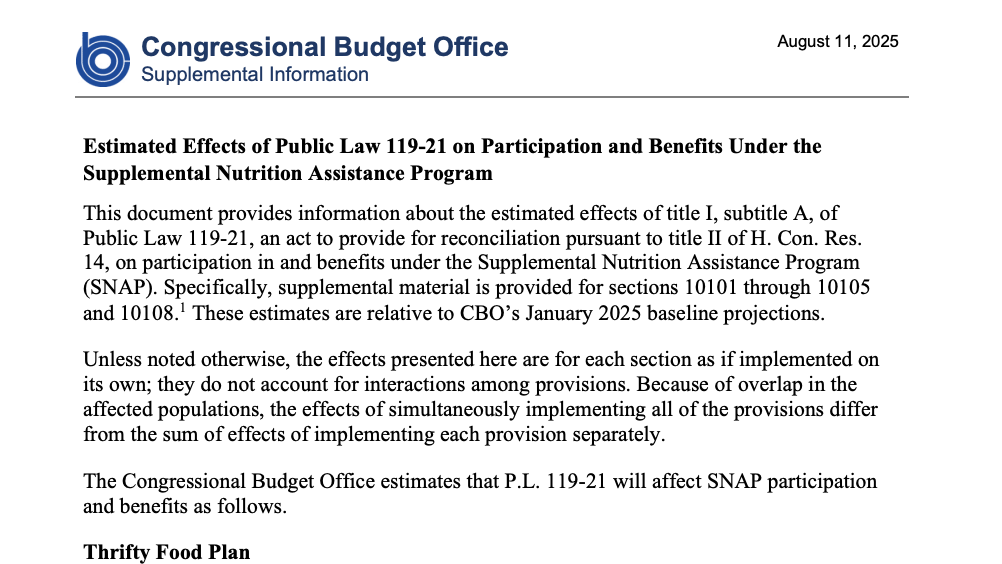
This report provides supplemental estimates on how Public Law 119-21—tied to H.R. 1—will affect SNAP participation, benefits, and state administrative costs over 2025–2034.
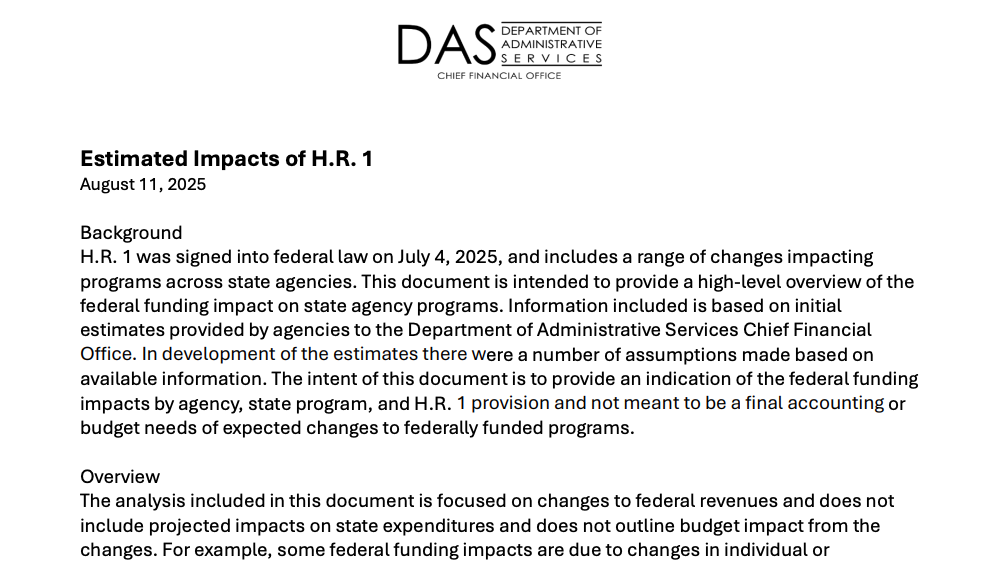
This report provides an initial fiscal analysis of how H.R. 1 (the “One Big Beautiful Bill”) will affect the state’s federally funded programs across agencies, estimating multi-billion-dollar reductions in SNAP, Medicaid, education, and infrastructure revenues.