This report explores the Maine Department of Labor’s (MDOL) remarkable response to this layoff through collaboration with the Peer Workforce Navigator project—a coalition of community-based organizations in partnership with the MDOL—which made a huge difference in the lives of these laid off workers. The report also examines aspects of the state’s unemployment insurance (UI) system that might be improved to account for similar situations in the future.
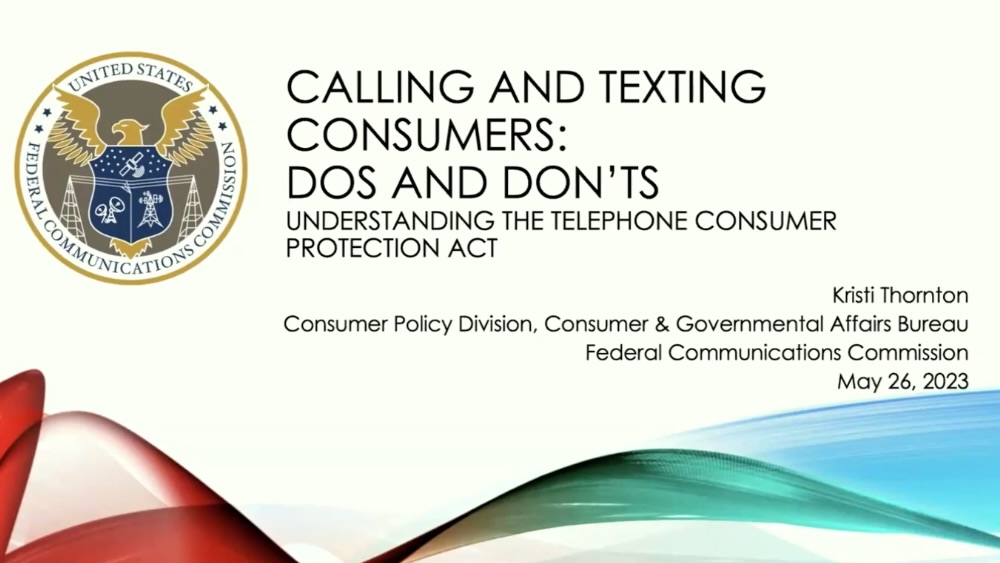
Federal Communications Commission present on how state and local agencies can legally use SMS messaging to engage with public benefits applicants and recipients, including compliance with the Telephone Consumer Protection Act (TCPA).
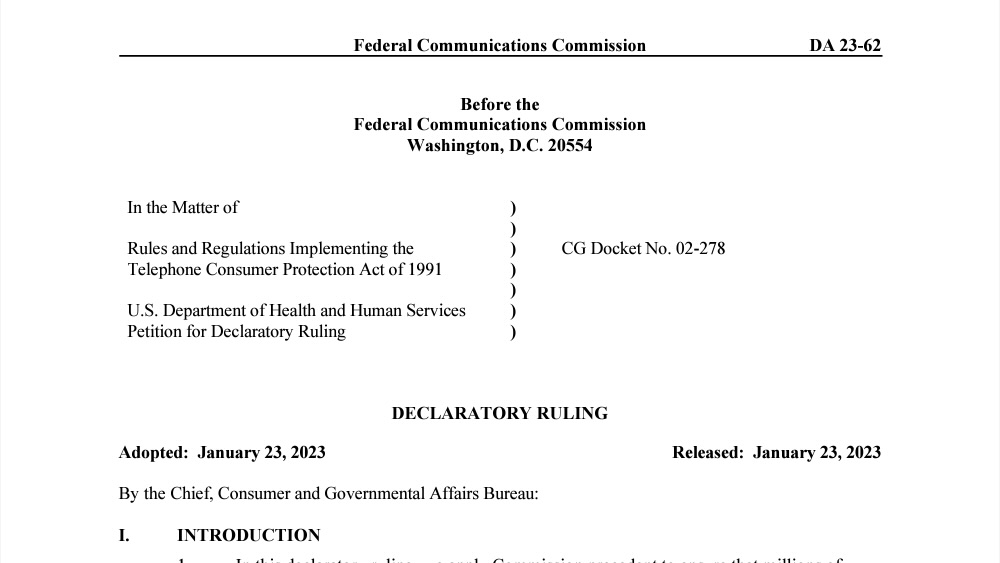
Ruling from the FCC granting the U.S. Department of Health and Human Services (HHS) to confirm that federal and state governmental agencies working in conjunction with local governments, governmental contractors, and managed care entities acting under contract with state governments may, under certain circumstances, make autodialed and prerecorded or artificial voice calls or send autodialed text messages to raise awareness of the eligibility and enrollment requirements for these governmental health care programs without violating the Telephone Consumer Protection Act (TCPA).
This quarterly research update aims to highlight key learnings related to improving unemployment insurance (UI) systems in the areas of equity, timeliness, and fraud, and monitor for model UI legislation and policy related specifically to technology. Subscribe to receive future editions.
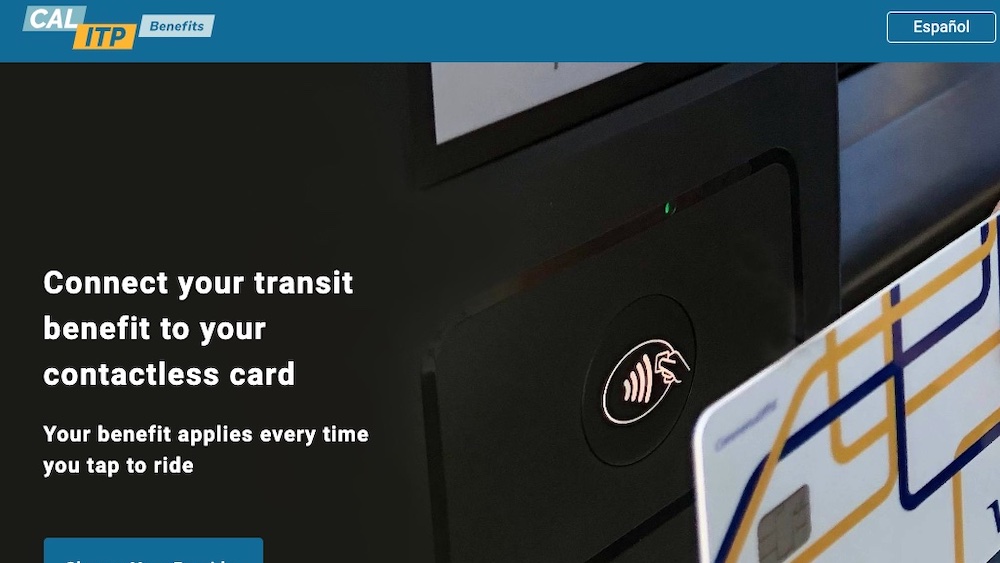
The California Integrated Travel Project (Cal-ITP) simplifies transit benefits eligibility by developing the Benefits App, which uses Login.gov to securely verify age-based discounts for public transit riders. The project aims to create a standardized, interoperable system for verifying transit benefits, improving accessibility for low-income and special groups while reducing administrative burdens for transit agencies.
The Department of Innovation and Technology of the City of Boston enables its workforce to deliver a better government for every constituent. Technology and innovation enable equity, effectiveness, and efficiency.
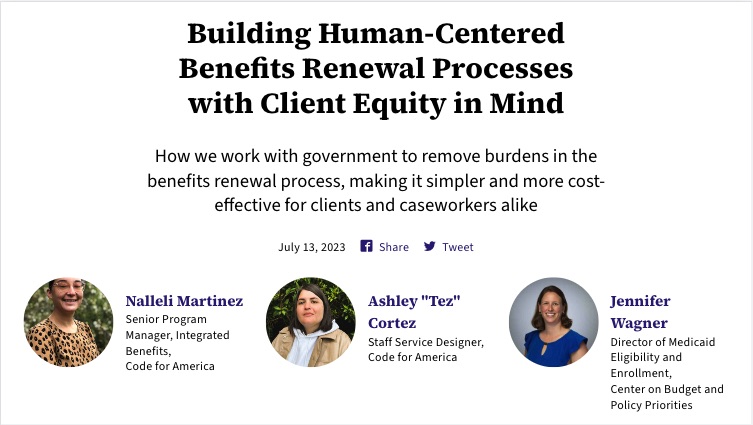
The Building Human-Centered Benefits Renewal Processes with Client Equity in Mind article by Code for America discusses the implementation of ex parte renewals in Minnesota's Medicaid program to streamline benefit renewals for aged, blind, and disabled populations, reducing administrative burdens and enhancing equity.
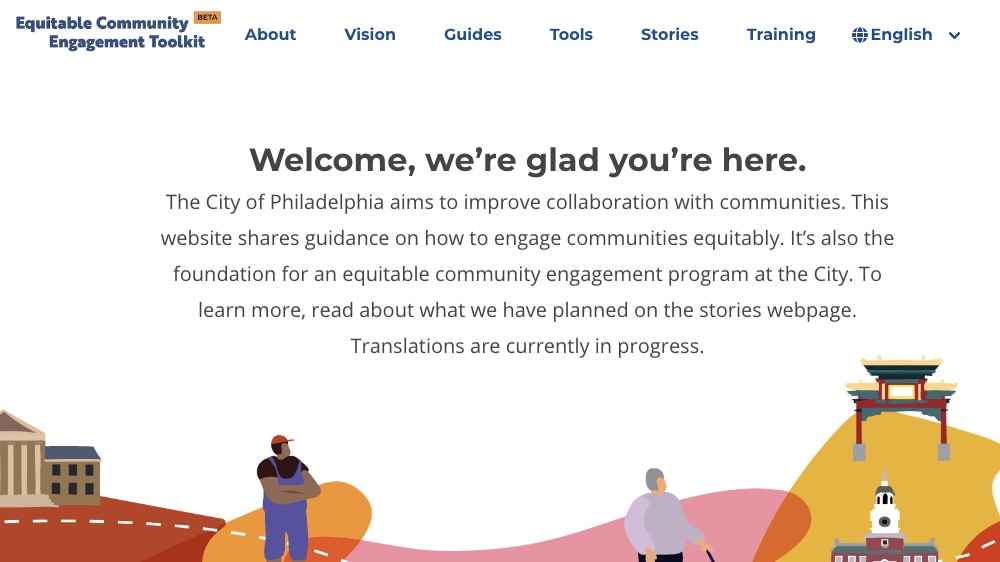
The Equitable Community Engagement Toolkit is a toolkit created by City of Philadelphia engagement practitioners and community members to help improve equitable collaboration with the community the City serves.
City of Philadelphia Office of Civic Engagement and Volunteer Service
This proposal recommends a set of new federal performance standards that would measure and improve UI access. The proposal is intended to supplement existing federal UI standards, but all UI standards and metrics should be periodically reevaluated and updated as the conditions facing unemployed workers and benefit delivery change.
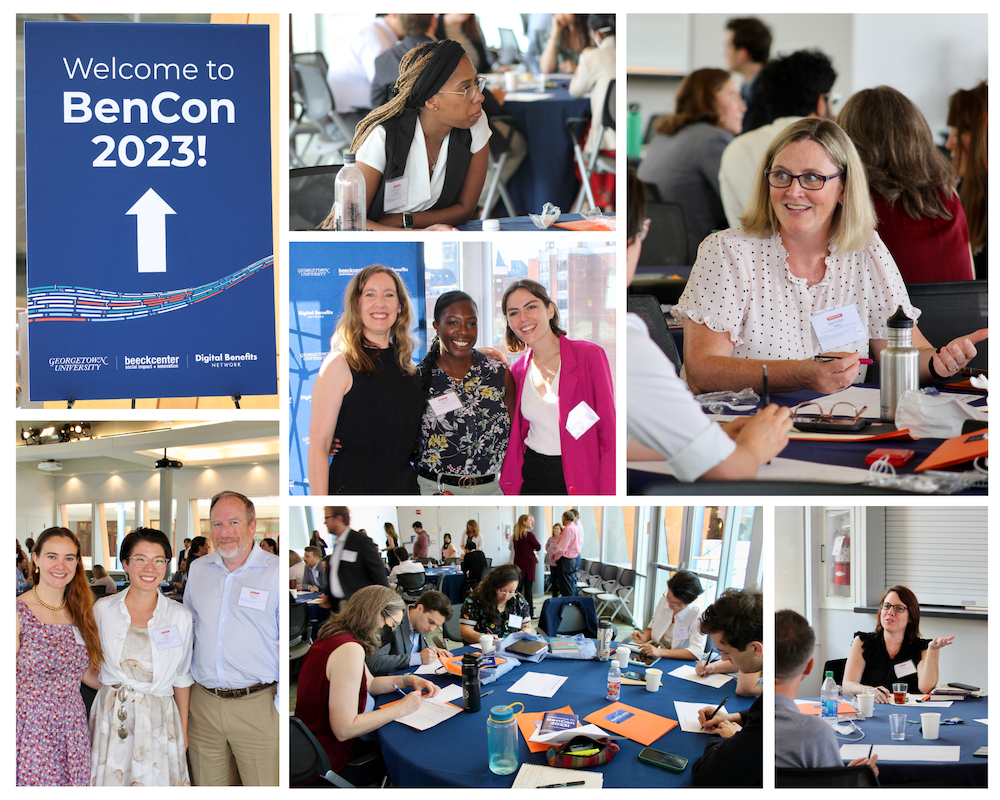
The article discusses key takeaways from BenCon 2023, highlighting the importance of creating equitable and ethical public benefits technology. It emphasizes the need for tech solutions that address systemic inequalities, ensure accessibility, and promote inclusivity for underserved communities in accessing public services.