
Library
Discover the latest innovations, learn about promising practices, and find out what’s coming next with best-in-class resources from trusted sources.
Is there something missing from our library?

Search and filters
Search for the topic or resource you're looking for, or use the filters to narrow down results below.
Results
-
Senior Technical Lead
This is a job description for the role of Senior Technical Lead from the State of California.
-
Platform SRE Developer
This is a job description for the role of Platform SRE Developer from the Canadian Digital Service (CDS).
-
Senior Front End Software Developer
This is a job description for the role of Senior Front End Software Developer from the Canadian Digital Service (CDS).
-
Security Compliance Architect
This is a job description for the role of Security Compliance Architect from the Technology Transformation Services (TTS).
-
Security Ops Engineer
This is a job description for the role of Security Ops Engineer from the Technology Transformation Services (TTS).
-
Modernization Lead (IT Specialist)
This is a job description for the role of Modernization Lead (IT Specialist) from the Centers of Excellence.
-
Security Engineer
This is a job description for the role of Security Engineer from the State of California.
-
Senior Enterprise Architect
This is a job description for the role of Senior Enterprise Architect from the State of California.
-
Technical Manager
This is a job description for the role of Technical Manager from the New York City Mayor's Office for Economic Opportunity (NYC Opportunity).
-

Risk Management Framework Introductory Courses
The NIST Risk Management Framework (RMF) Introductory Courses offer free, self-paced online training on managing cybersecurity and privacy risks using NIST’s RMF methodology and related publications.
-

MyFile Code Repository
This repository contains the technical documentation and deployment scripts for the My File document storage and sharing platform.
-
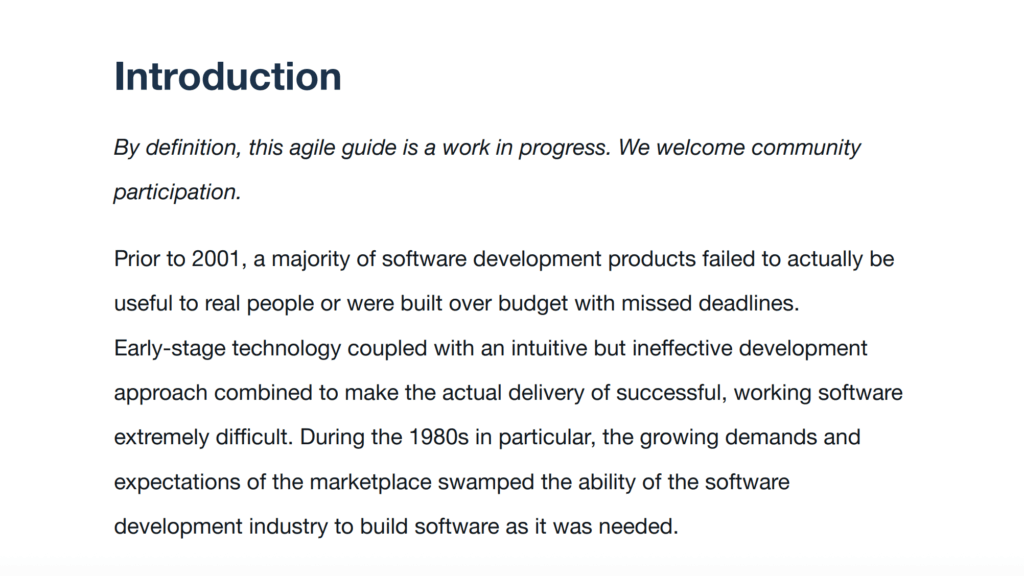
Agile Software Development Guide
This guide introduces federal teams to the philosophy, principles, and practical methods of Agile development—emphasizing adaptability, collaboration, and continuous learning over rigid planning.