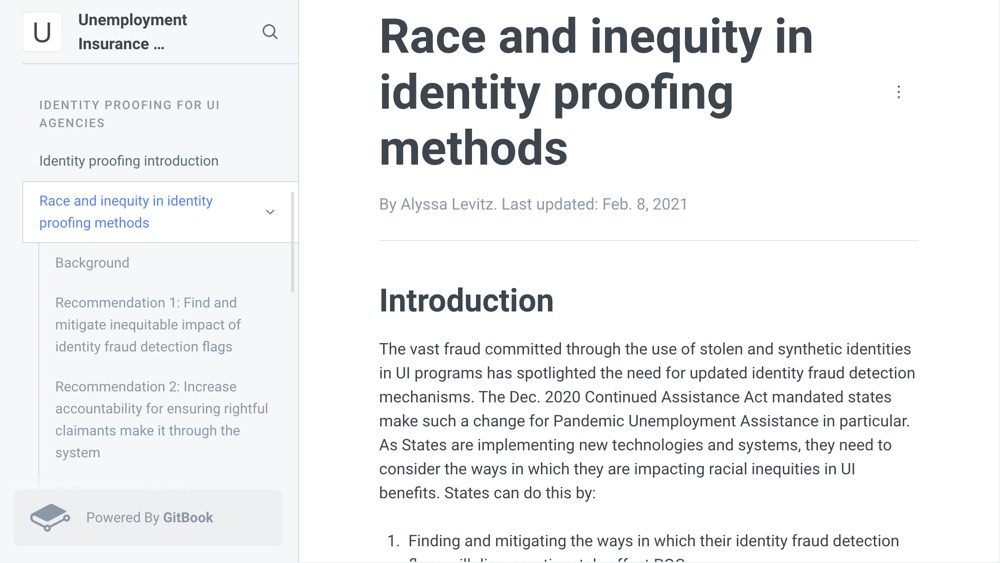
The vast fraud committed through the use of stolen and synthetic identities in UI programs has spotlighted the need for updated identity fraud detection mechanisms. As states are implementing new technologies and systems, they need to consider the ways in which they are impacting racial inequities in UI benefits.
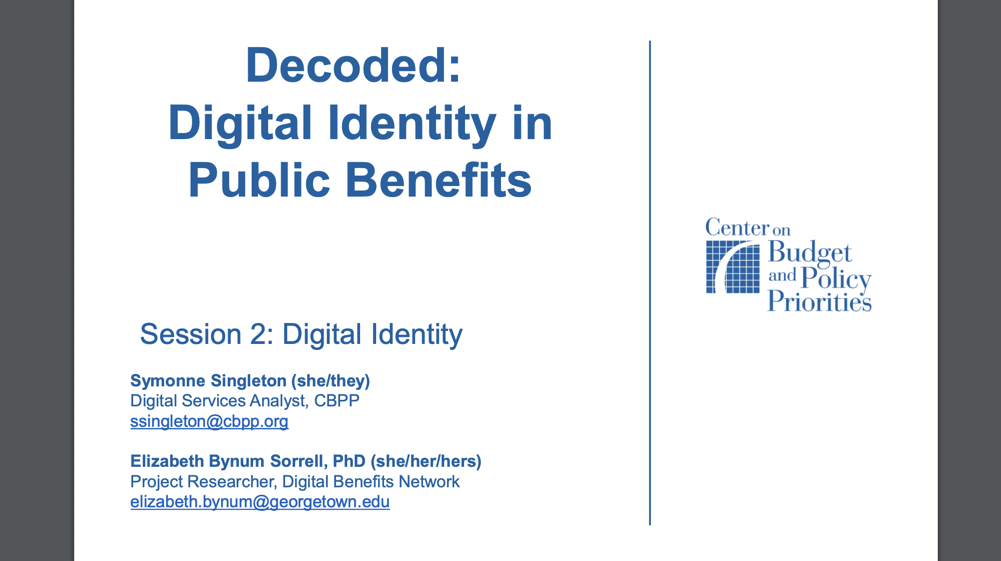
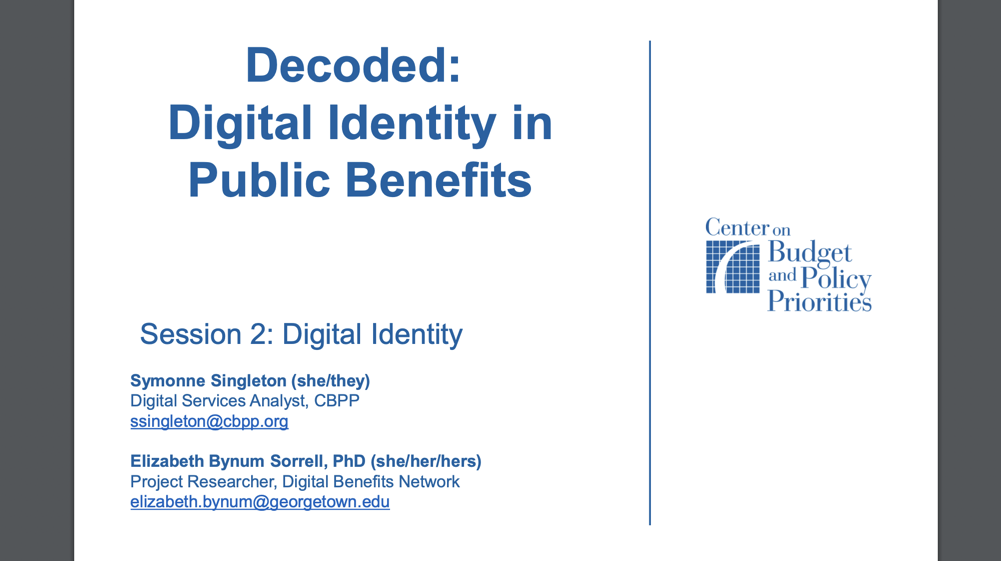
In 2024, the Center on Budget and Policy Priorities and Digital Benefits Network led a workshop to explore key terms related to digital identity, and provide ecosystem-level context on how authentication and identity proofing may show up in the online benefits experience and impact clients. This resource links to the presentation slides.
In February 2023, the Digital Benefits Network at the Beeck Center for Social Impact + Innovation released a dataset documenting authentication and identity verification requirements that unemployment insurance (UI) applicants encounter across the United States. This resource outlines high-level observations from the data and more information about the research process.
This page includes data and observations about authentication and identity proofing steps specifically for online applications that include child care applications.
Research from the Department of Labor shows that document management systems reduce barriers for claimants and help states be more efficient. With additional improvements and investment, these systems can be even more effective in serving the public and reducing backlogs in times of crisis.
In this updated primer, the DBN describes how identity proofing and authentication show up in public benefits applications and outlines equity and security concerns raised by common identity proofing and authentication methods.
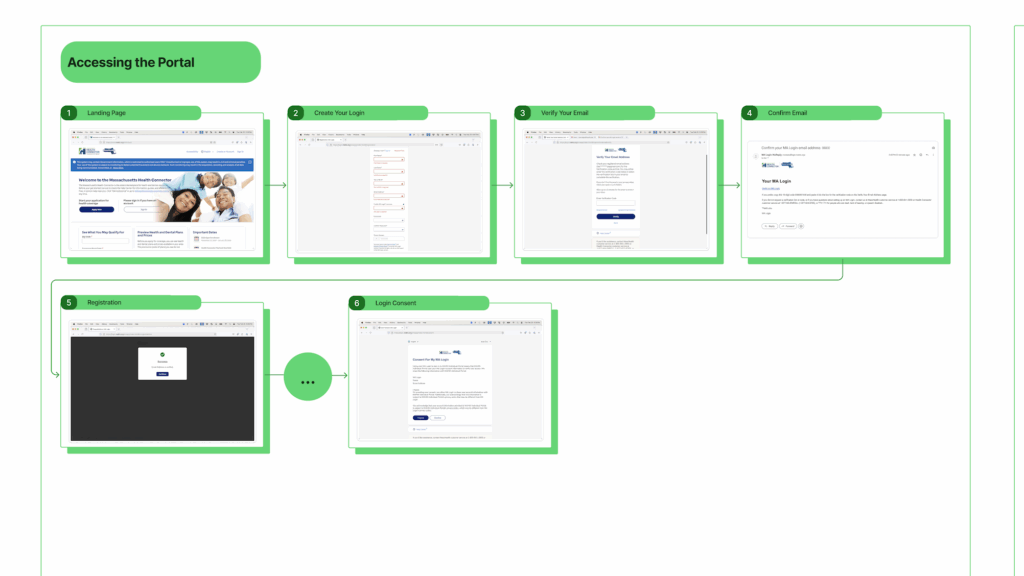
Created for use in the Digital Doorways research project, this design stimuli shows the steps of submitting an application, sharing personal information, and verifying identity for Massachusetts' online application for Medicaid.
In this webinar, the Center on Budget and Policy Priorities and the Digital Benefits Network explored key terms related to digital identity, and provided ecosystem-level context on how authentication and identity proofing may show up in the online benefits experience and impact clients.
This analysis explores the dual nature of mobile state IDs, highlighting their potential to enhance digital identity verification while raising significant privacy and equity concerns.