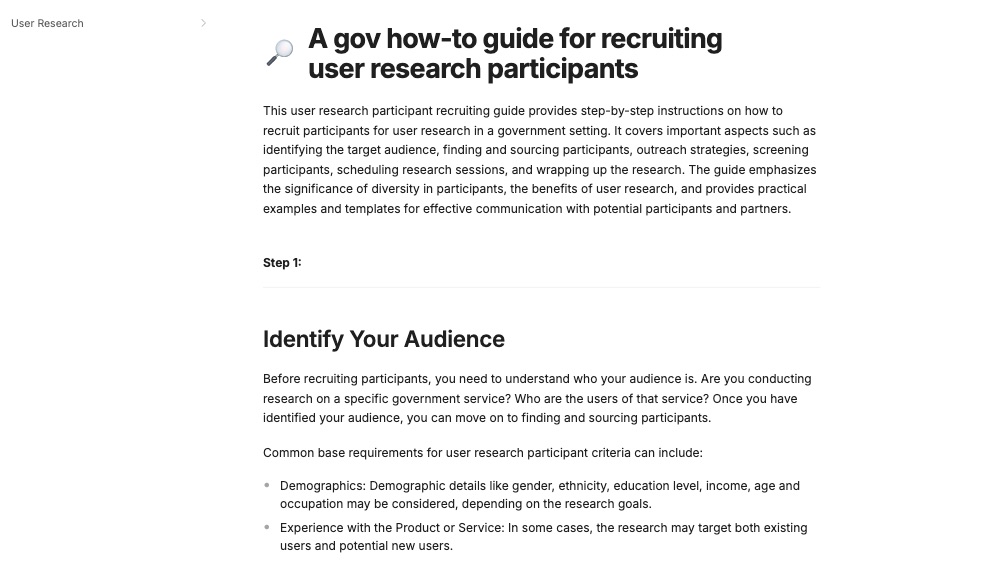
Drawing on the Beeck Center’s research on government, nonprofit, academic, and private sector organizations that are working to improve access to safety net benefits, this report highlights best practices for creating accessible benefits content.
In 2018 the Better Identity Coalition released a Policy Blueprint outlining five key initiatives that to solve the majority of America’s challenges in the digital identity space. This report from 2024 grades progress on each of the original Blueprint’s five key initiatives – as well as the 19 items that were contained in the “action plan” to support those initiatives.
In this panel conversation from the Better Identity Coalition’s 2022 policy forum, “Identity, Authentication, and the Road Ahead," representatives from industry and government discuss priorities for authentication and identity management.
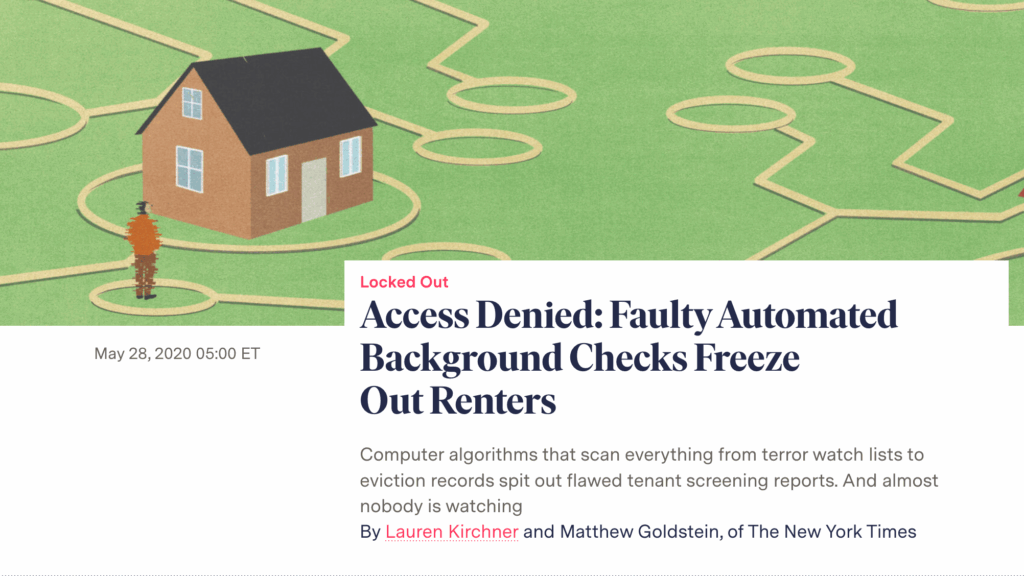
This reporting explores how algorithms used to screen prospective tenants, including those waiting for public housing, can block renters from housing based on faulty information.
This report outlines the guiding principles, policy priorities, and tools for the National Collaborative for Integration of Health and Human Services, aimed at improving health and well-being outcomes through the integration of health care and human services programs.
American Public Human Services Association (APHSA)
Hear perspectives on topics including centering beneficiaries and workers in new ways, digital service delivery, digital identity, and automation.This video was recorded at the Digital Benefits Conference (BenCon) on June 14, 2023.
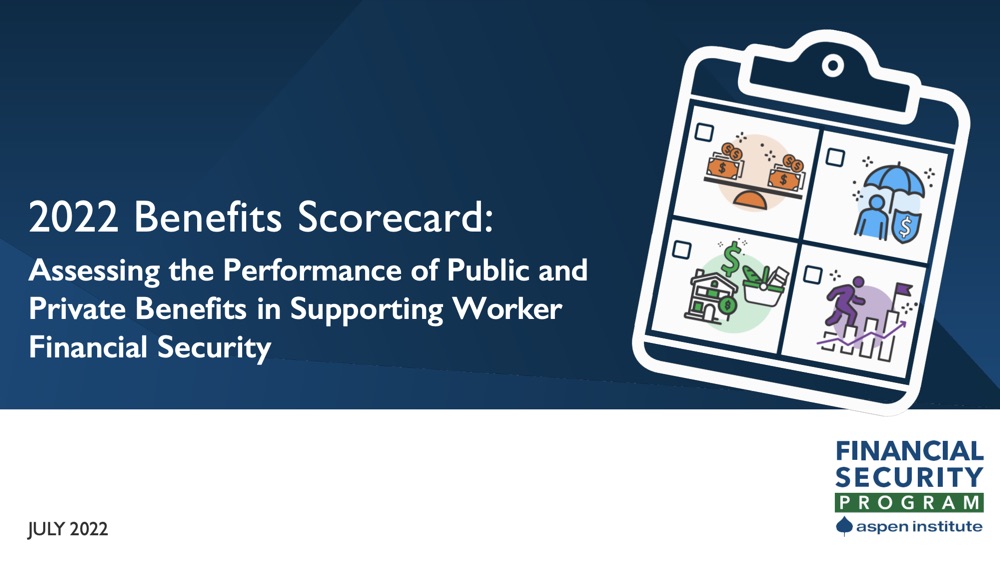
This resource allows policymakers, employers, benefits providers, and researchers assess benefits performance for constituents and identify opportunities in market and policy innovation to ensure equitable benefits distribution.