This web-page outlines the nondiscrimination and civil-rights obligations that health-care and social-services providers must meet if they receive HHS funding or act as covered entities.
U.S. Department of Health and Human Services (HHS)
An updated guide for public sector and civic data users to embed racial equity and community voice throughout the data life cycle—from planning to dissemination.
This strategy document establishes a governance framework and roadmap to ensure responsible, trustworthy, and effective AI use across Canadian federal institutions.
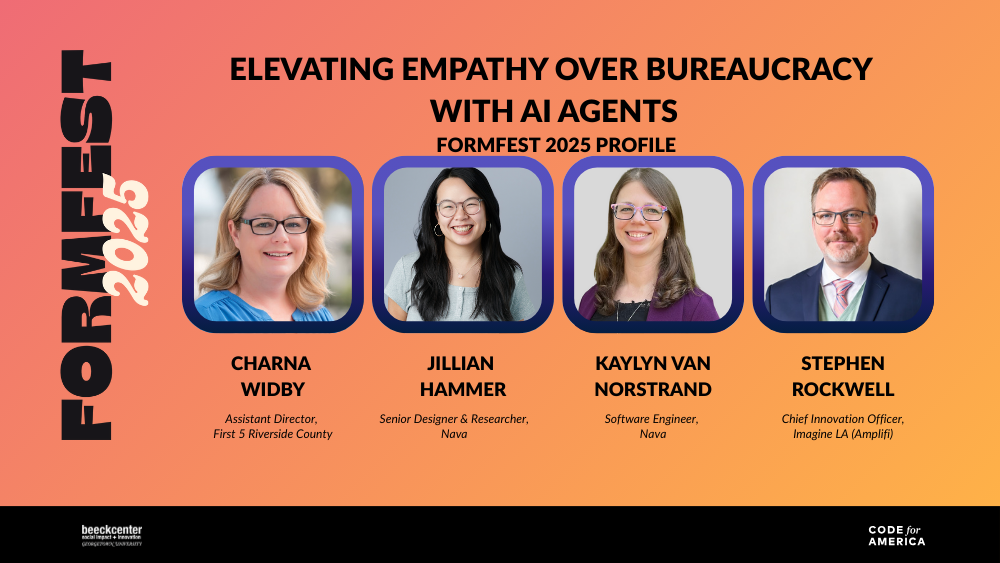
This FormFest profile highlights Riverside County’s pilot of AI-powered interviews that streamline benefit applications, reducing bureaucratic burden on families in crisis while freeing caseworkers to focus on human connection.
The article explains that for government agencies to successfully use Agile software development with vendors, they need to make changes in staffing—specifically by creating roles like a product owner and technical lead within the agency.
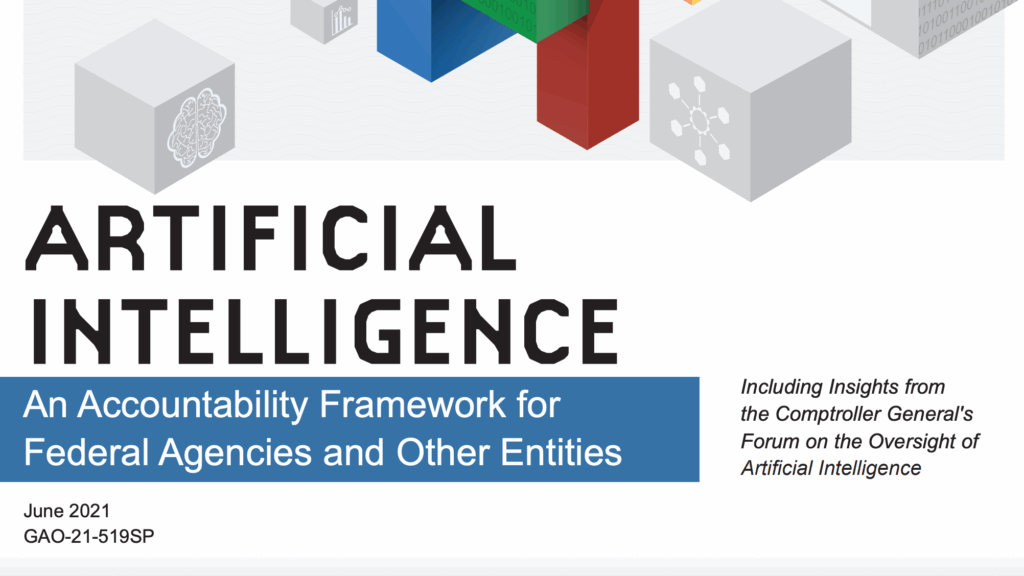
This framework provides a structured approach for ensuring responsible and transparent use of AI systems across government, emphasizing governance, data integrity, performance evaluation, and continuous monitoring.
This report outlines best practices for developing transparent, accessible, and standardized public sector AI use case inventories across federal, state, and local governments
Recapping the work and achievements of the Digital Benefits Network (DBN), Digital Service Network (DSN), and the State Chief Data Officers Network (CDO) in 2025.
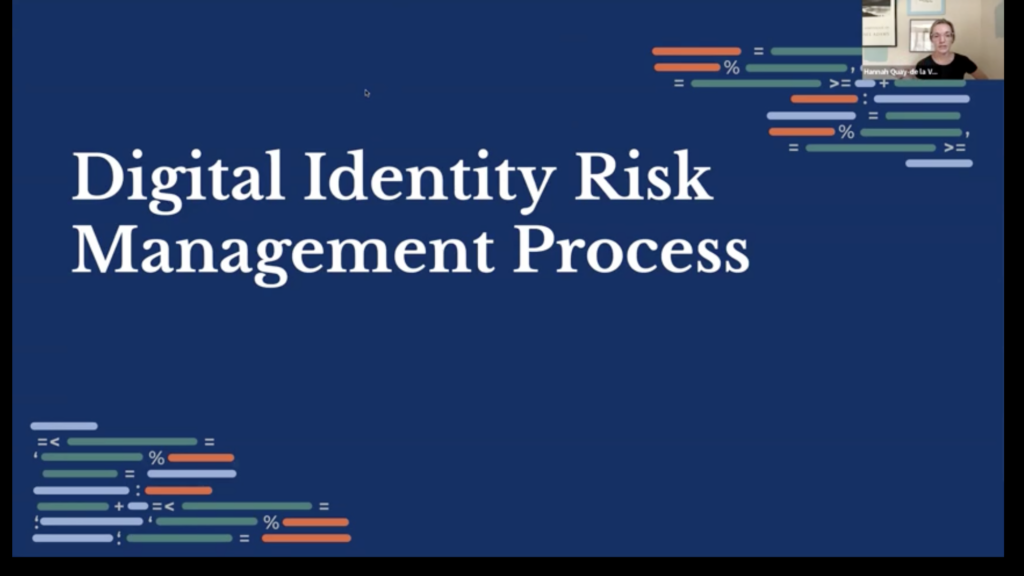
An overview video describing the Digital Identity Risk Management process outlined in NIST's Digital Identity Guidelines, which organizations can use to develop a risk-based approach to identity management.