This framework provides voluntary guidance to help employers use AI hiring technology in ways that are inclusive of people with disabilities, while aligning with federal risk management standards.
Modular contracting doesn’t just mean that you break one procurement into several pieces. This article shows you how to take a modular approach with a single contract divided up into natural break points.
This brief highlights key takeaways from APHSA’s work on young families, starting with an overview of the young families work and its early years, followed by key takeaways and highlights from its final year, ending with opportunities for future work in the young families space.
American Public Human Services Association (APHSA)
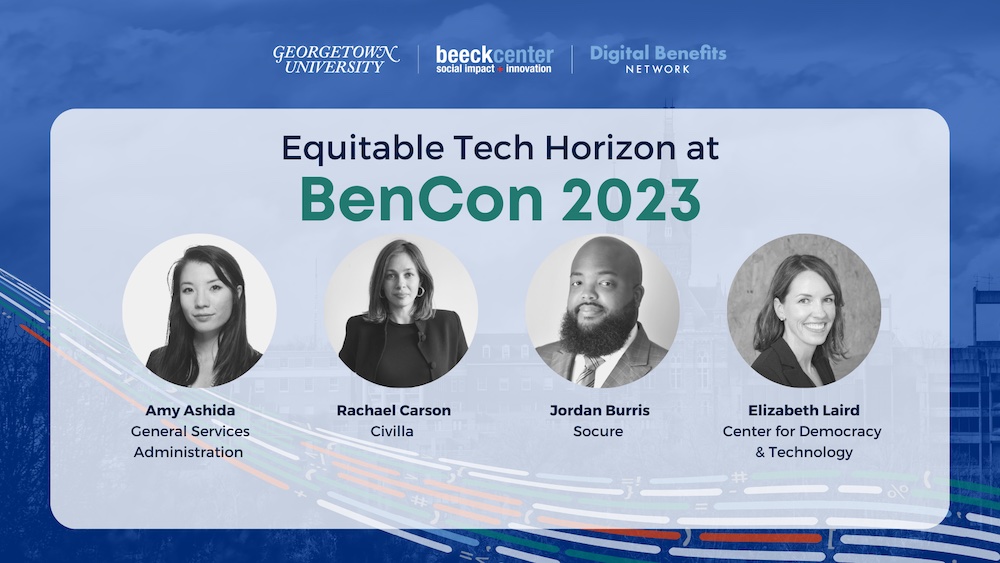
Hear perspectives on topics including centering beneficiaries and workers in new ways, digital service delivery, digital identity, and automation.This video was recorded at the Digital Benefits Conference (BenCon) on June 14, 2023.
A practical toolkit that guides teams through designing and building accessible forms in print and PDF formats that are usable by people with disabilities and meet accessibility standards.
A plain-language overview explaining how federal law regulates automated calls and text messages to the public, including when consent is required and who is exempt.
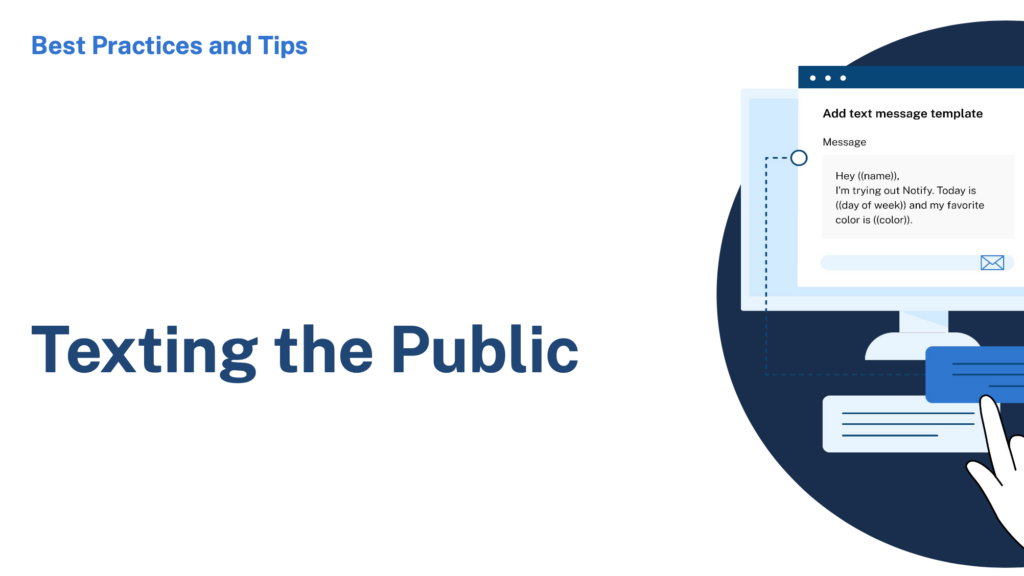
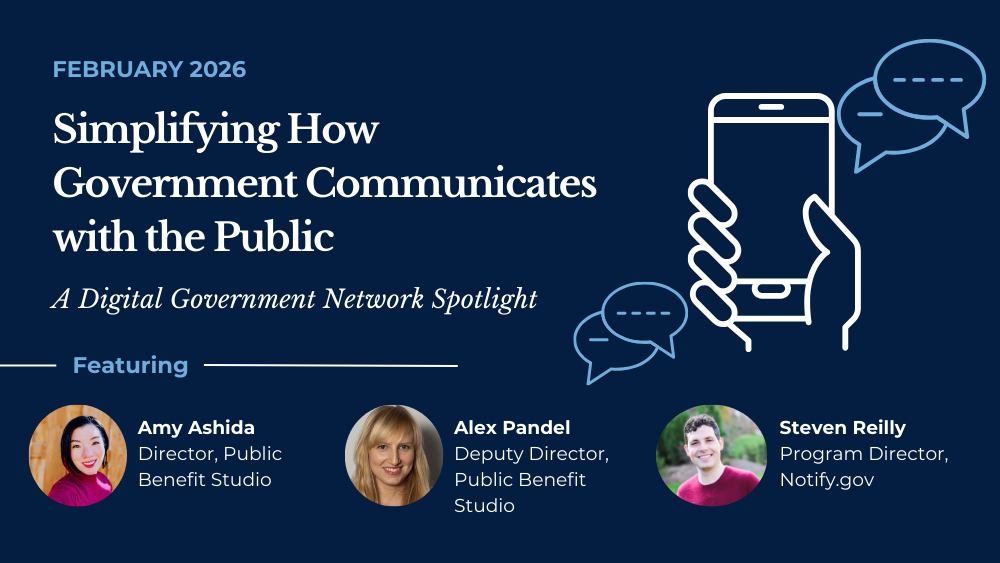
A practical guide for government teams on how to design, test, and run effective public text message campaigns for benefits and service communications.
DGN Spotlights are short-form project profiles that feature exciting work happening across our network of digital government practitioners. Spotlights celebrate our members’ stories, lift up actionable takeaways for other practitioners, and put the resources and examples we host in the Digital Government Hub in context.
This blog summarizes a FormFest session where the Center for Civic Design shared research on how screen reader users navigate voter registration forms and offered guidance for designing more accessible digital and PDF forms.