A practical guidance document outlining best practices for government procurement of data-driven technologies to improve transparency, accountability, and oversight.
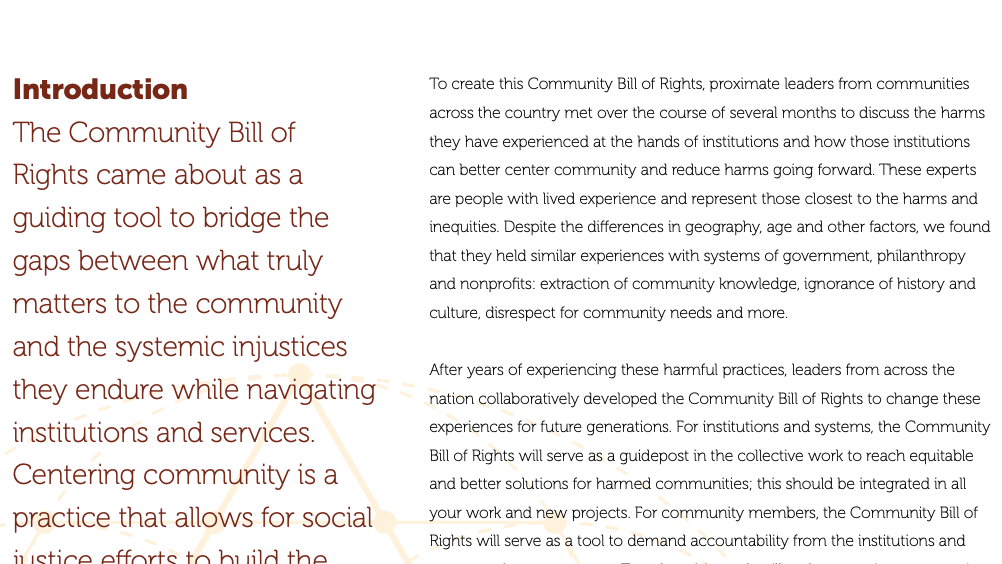
The Community Bill of Rights outlines principles and expectations for institutions to center community voices, share power, and build equitable partnerships with communities affected by systemic harm.
A curated collection of practical guides that help government teams improve digital services, website content, and forms using plain language, content design, and user-centered practices.
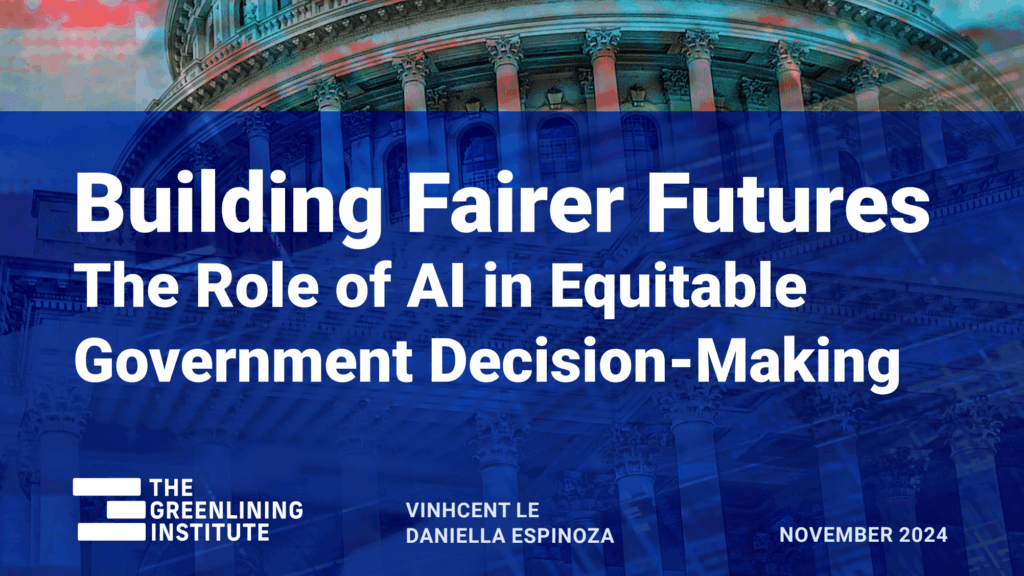
This report examines how governments use AI systems to allocate public resources and provides recommendations to ensure these tools promote equity, transparency, and fairness.
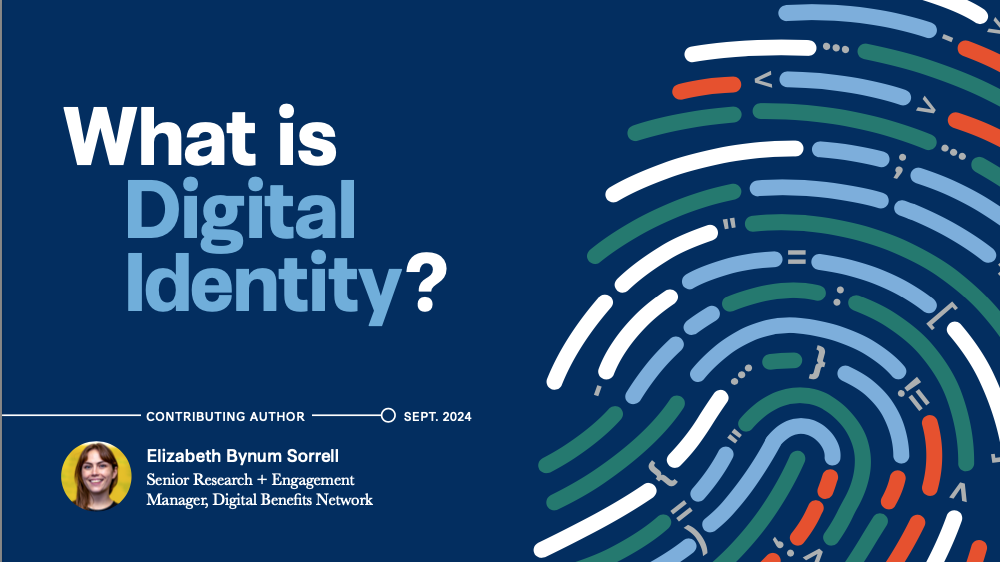
In this updated primer, the DBN introduces the concept of digital identity, and provides brief snapshots of digital identity-related developments internationally and in the U.S.
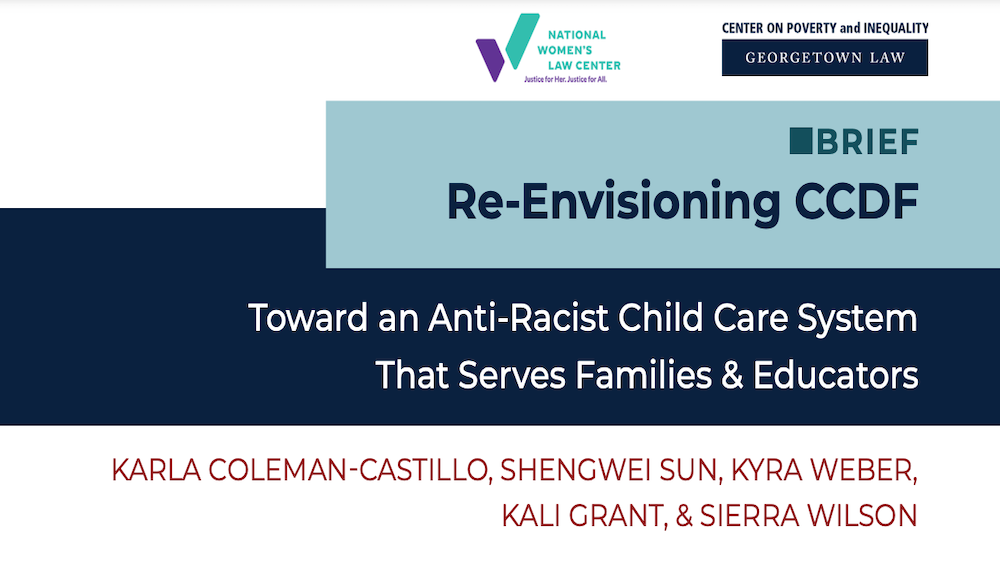
This brief offers a new, anti-racist vision for transforming the Child Care and Development Fund (CCDF) into a program that actively pushes back against structural racism and advances racial equity and economic prosperity for all families.
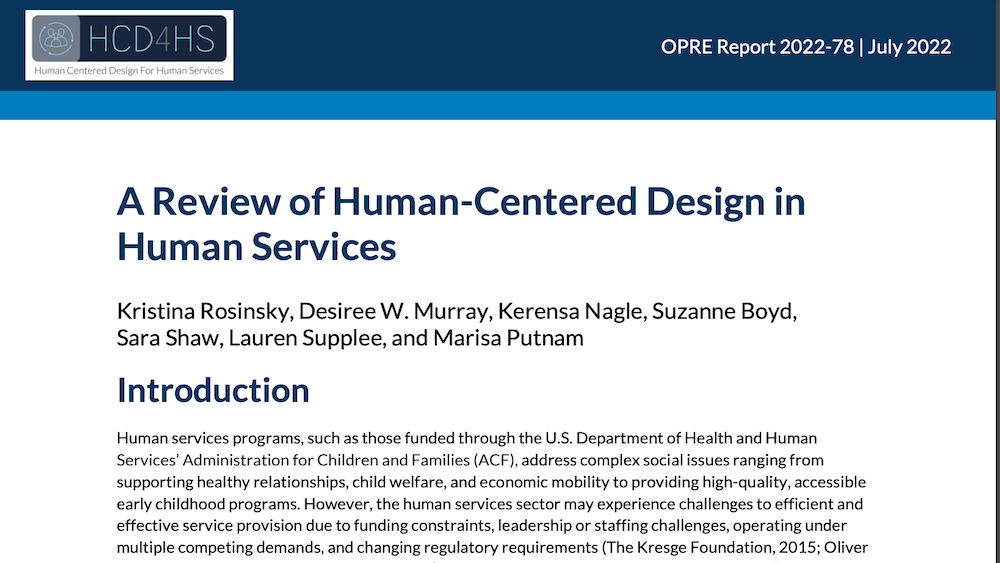
In this brief, they present a definition of HCD that is applicable to the context of human services delivery, differentiate HCD from similar design and problem-solving approaches, and describe how HCD is being used in human services.
U.S. Department of Health and Human Services (HHS)
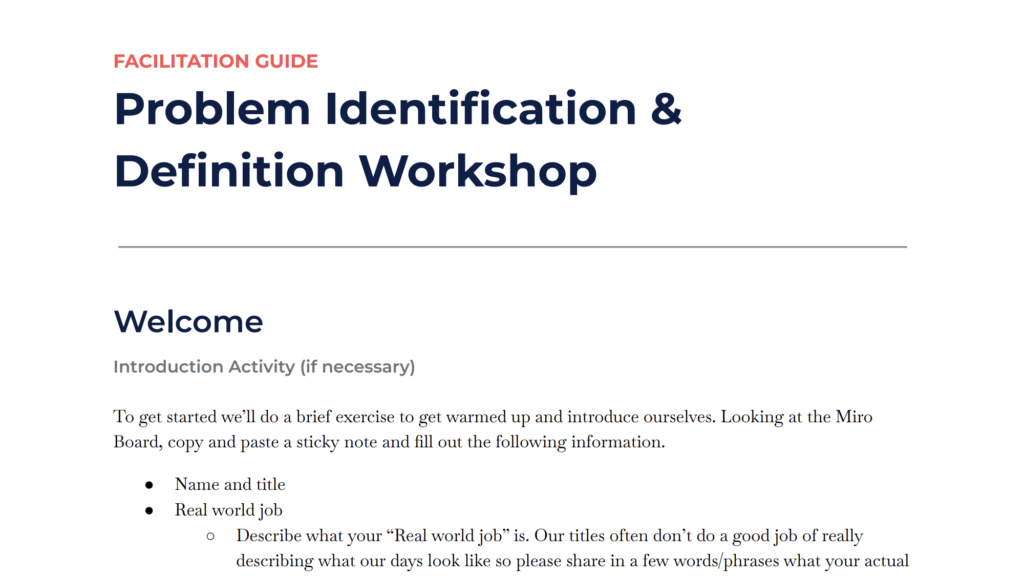
This workshop guide offers teams an opportunity to jointly work toward understanding core problems impacting digital delivery in their organization. The guide is structured in two parts: (1) a Miro template and (2) a Facilitation Guide.
The 2022 Dobbs v. Jackson decision overturned Roe v. Wade, leading 21 states to ban or heavily restrict abortion, exacerbating economic and health challenges for women denied care while these states also often lack supportive policies like paid leave, fair wages, and accessible public benefits for growing families.
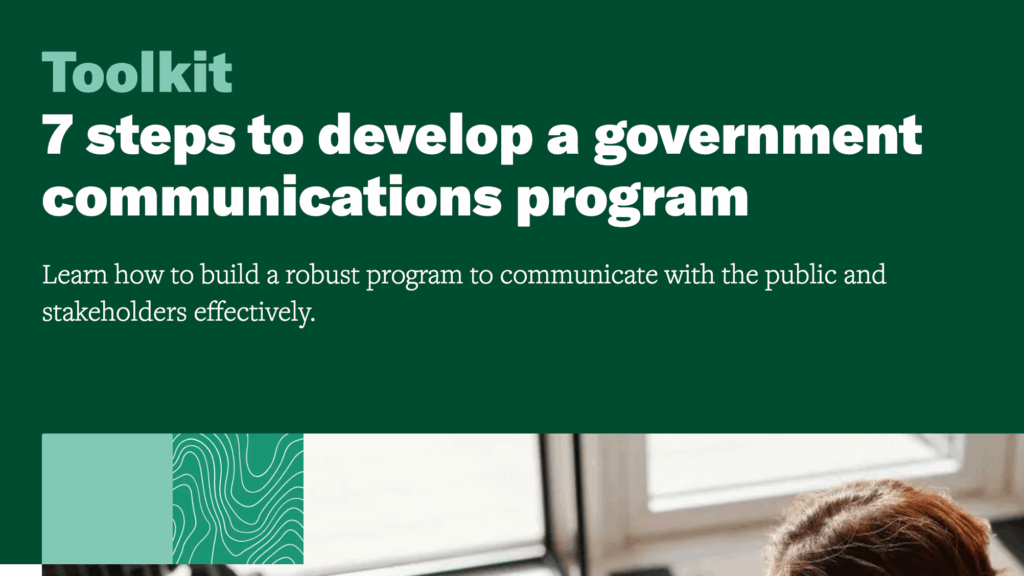
A toolkit that outlines seven practical steps for government agencies to build or strengthen a communications program aligned with audience needs and organizational goals.