Through our research understanding the government digital service field and what workers in this field need, we want to help strengthen those existing roles and establish more pathways for promotion and career support, as well as help other teams recognize the value of these skills and create new roles.
The report examines how current remote identity proofing methods can create barriers to Medicaid enrollment and suggests improvements to ensure equitable access for all applicants.
Annual Computers, Software, and Applications Conference (COMPSAC)
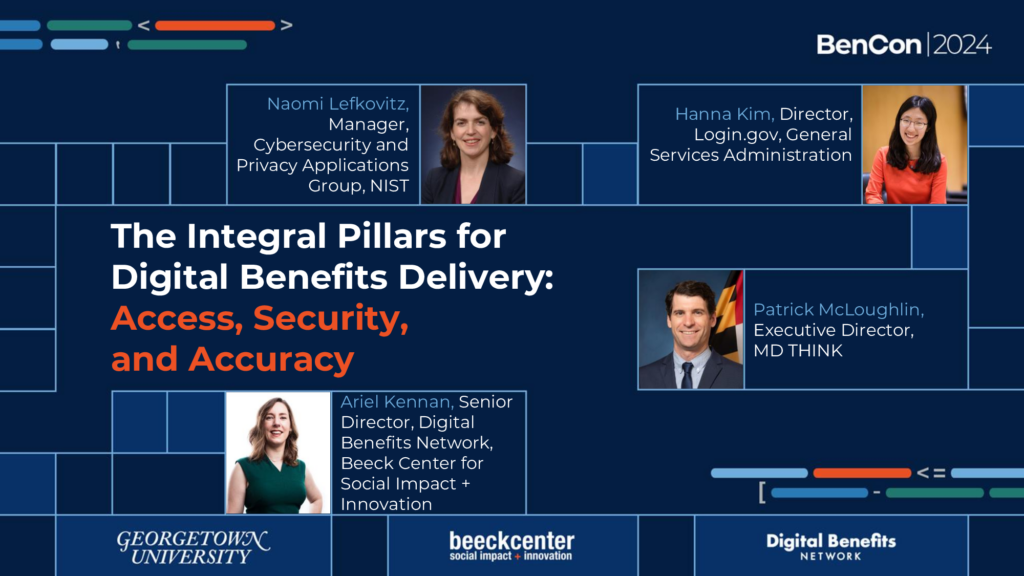
Government leaders discuss how to ensure seamless access to public benefits through breaking down silos, user-friendly digital identities, and privacy-focused security measures.
Presentation covering the findings of a research study analyzing the structural and budgetary layout of of eleven US-based Digital Service Teams (DSTs) at the municipal, county, and state levels.
This brief highlights key takeaways from APHSA’s work on young families, starting with an overview of the young families work and its early years, followed by key takeaways and highlights from its final year, ending with opportunities for future work in the young families space.
American Public Human Services Association (APHSA)
This blog explores the rise of person-centered insights in policymaking, featuring an overview of its benefits and expert interviews highlighting its crucial role in effectively delivering public benefits and human services.
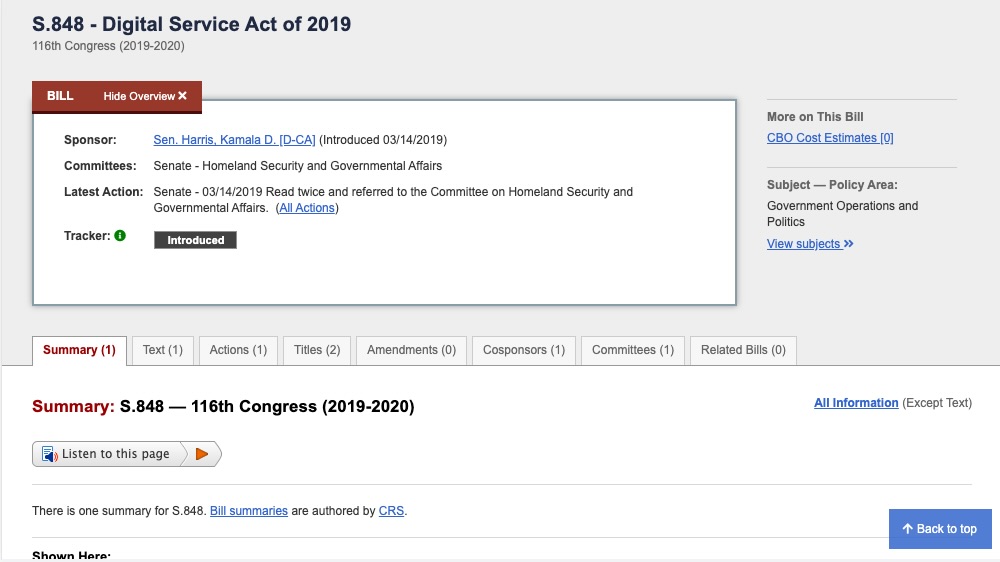
This bill authorizes the U.S. Digital Service to make a grant to a state, Indian tribe, or local government to establish or support a team of relevant experts dedicated to modernizing the delivery of government services to the public through information technology. A state, tribe, or local government may receive up to two such grants.
This report highlights key findings from the Rules as Code Community of Practice, including practitioners' challenges with complex policies, their desire to share knowledge and resources, the need for increased training and support, and a collective interest in developing open standards and a shared code library.
Building on our February 2022 report Benefit Eligibility Rules as Code: Reducing the Gap Between Policy and Service Delivery for the Safety Net, the Beeck Center’s Digital Benefits Network (DBN) recently held a convening to share progress and potential in digitizing benefits eligibility and to begin addressing how a national approach could be started.