Led by the Digital Benefits Network in partnership with Public Policy Lab, the Digital Doorways research project amplifies the lived experiences of beneficiaries to provide new insights into people’s experiences with digital identity processes and technology in public benefits. This report details the project’s findings, directly highlighting the voices of beneficiaries through videos and photos.
This field guide provides research-based design principles for creating clear, usable forms that help voters accurately complete election-related paperwork and successfully take action.
This report presents evidence on the use of algorithmic accountability policies in different contexts from the perspective of those implementing these tools, and explores the limits of legal and policy mechanisms in ensuring safe and accountable algorithmic systems.
This report describes how the government can use widespread social media feedback and begin to build long-term measures to center people’s experience as an important component of policy design
A recent study challenges the common belief that income support programs like SNAP reduce employment, finding that for individuals with a work history, receiving SNAP benefits can actually increase long-term employment.
This Urban Institute report highlights how immigrant and mixed-status families continued to avoid safety net programs in 2023 due to lingering fears around the public charge rule.
In this summary, the authors use WBNS data to provide updated estimates of chilling effects in 2023 among immigrant families (i.e., in which the respondent or a family member living with them was not born in the US).
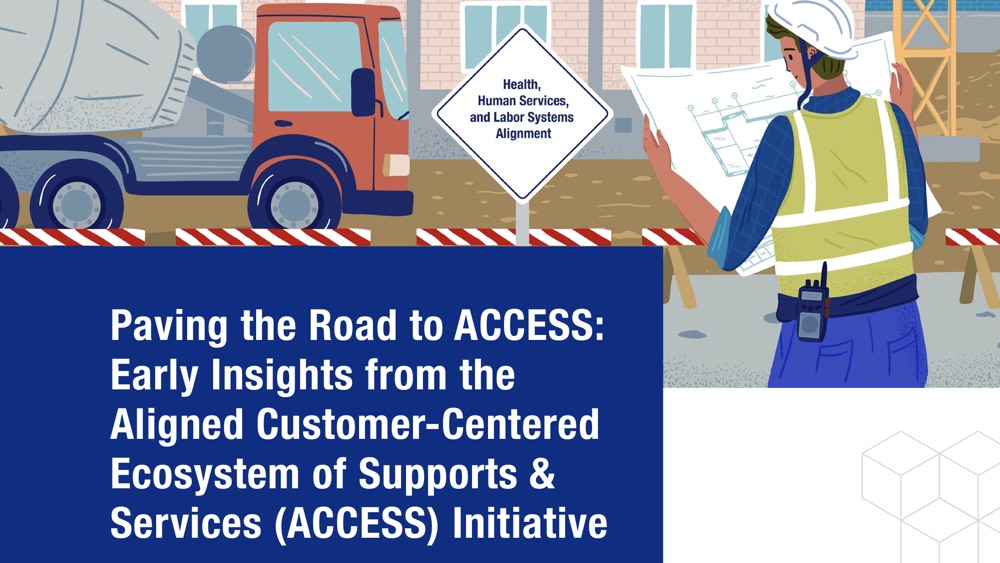
Through the ACCESS project, key collaborators have shared insights into current and future opportunities for alignment within their agencies, including potential enablers for and barriers to alignment activities.
American Public Human Services Association (APHSA)
The report documents how grantees implemented specialized Transitional Living Programs for LGBTQ youth and young adults aging out of foster care, highlighting approaches, challenges, and lessons learned.
This report examines how governments use AI systems to allocate public resources and provides recommendations to ensure these tools promote equity, transparency, and fairness.
This report highlights 5 key takeaways from the Aspen Institute Financial Security Program's 2022 Benefits Forum, where 55 experts from various sectors discussed solutions for improving public and private benefits to better support workers and their families.