In this brief, they present a definition of HCD that is applicable to the context of human services delivery, differentiate HCD from similar design and problem-solving approaches, and describe how HCD is being used in human services.
U.S. Department of Health and Human Services (HHS)
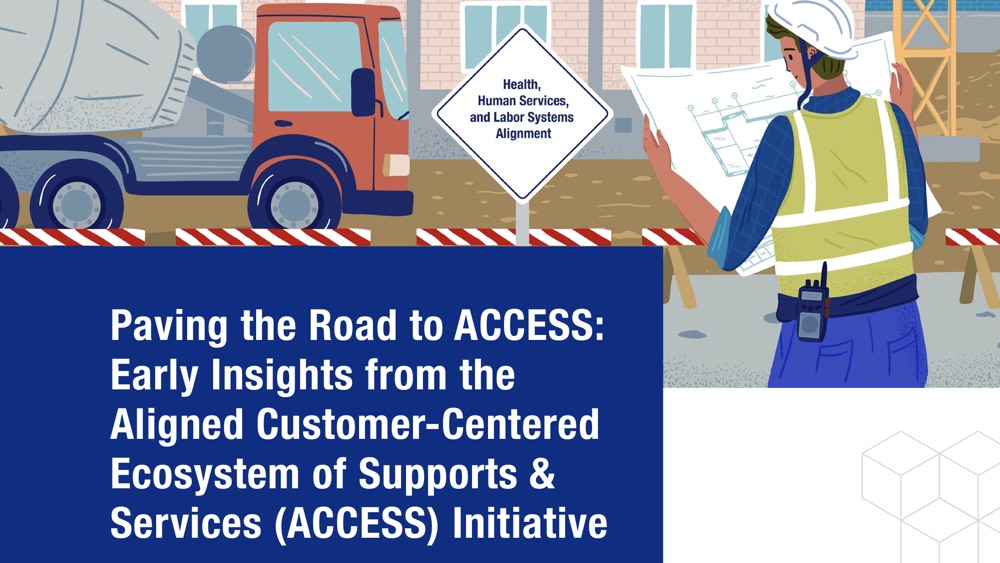
Through the ACCESS project, key collaborators have shared insights into current and future opportunities for alignment within their agencies, including potential enablers for and barriers to alignment activities.
American Public Human Services Association (APHSA)
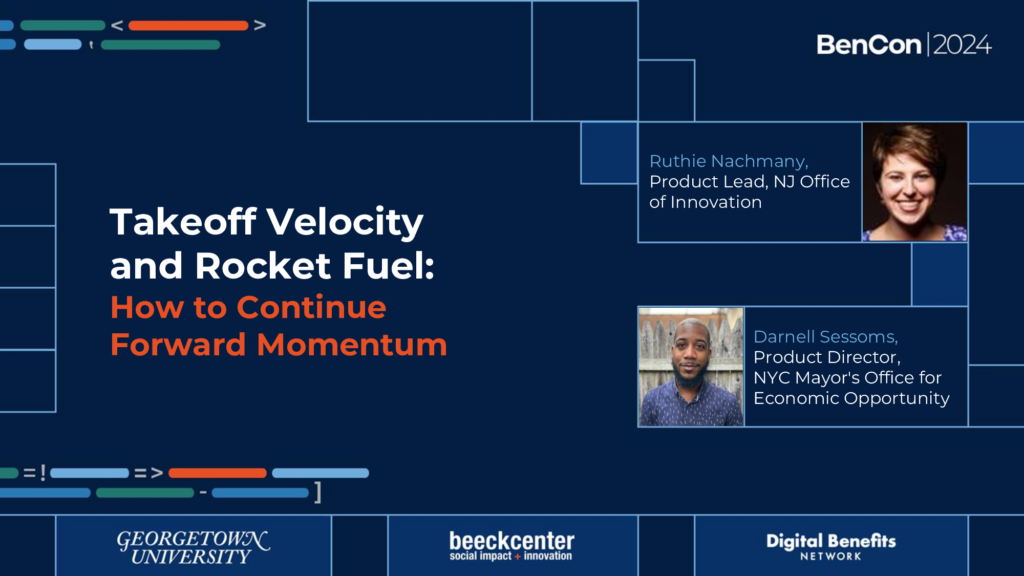
NYC's My File NYC and New Jersey's unemployment insurance system improvements demonstrate how successful digital innovations can be scaled across various programs, leveraging trust-building, open-source technology, and strategic partnerships.
This report details the development and deployment of My File, an open-source digital document management tool designed to help individuals securely store and share documents needed to access public services.
This document is the Spanish-language version of the Model WIC Online Application. It provides a full set of translated application questions and instructions for applying to the Special Supplemental Nutrition Program for Women, Infants, and Children (WIC).
This field guide provides practical guidance for conducting usability testing on ballots to identify design issues and ensure voters can successfully cast their votes as intended.
The article explains that for government agencies to successfully use Agile software development with vendors, they need to make changes in staffing—specifically by creating roles like a product owner and technical lead within the agency.
The “Start Small” approach encourages agencies to begin with targeted, manageable improvements in their WIC application process before expanding changes more broadly, fostering easier implementation and measurable early successes.
This report outlines state Medicaid program priorities, including expanding access to services, addressing health disparities, and implementing cost-containment measures amid post-pandemic uncertainties.
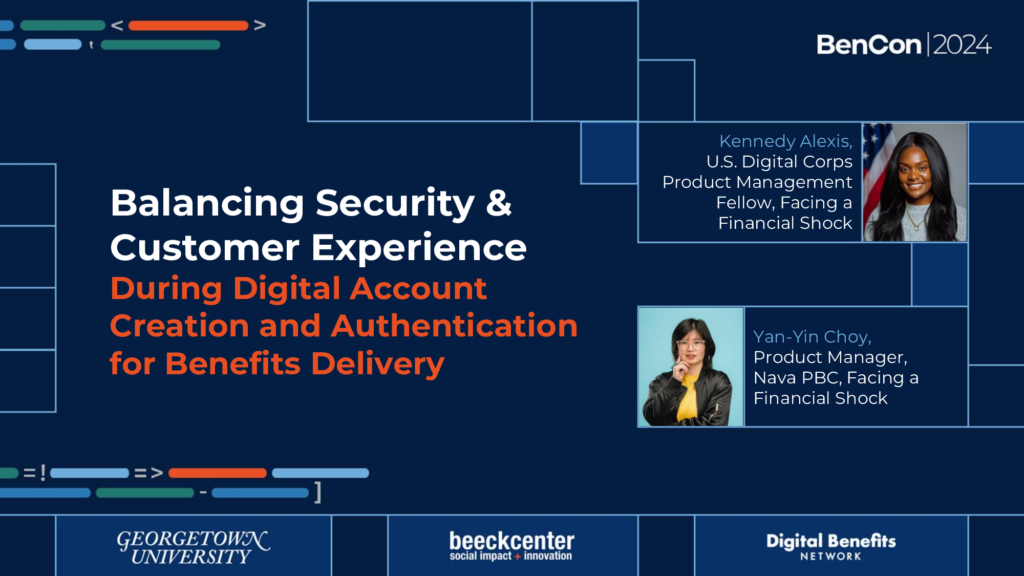
This presentation explores the balance between security and user experience in digital benefit account creation and authentication, highlighting insights from a forthcoming playbook focused on SNAP and Medicaid portals.