A report outlining human-centered design strategies to help states implement new federal Medicaid work requirements in ways that minimize coverage loss and administrative burden
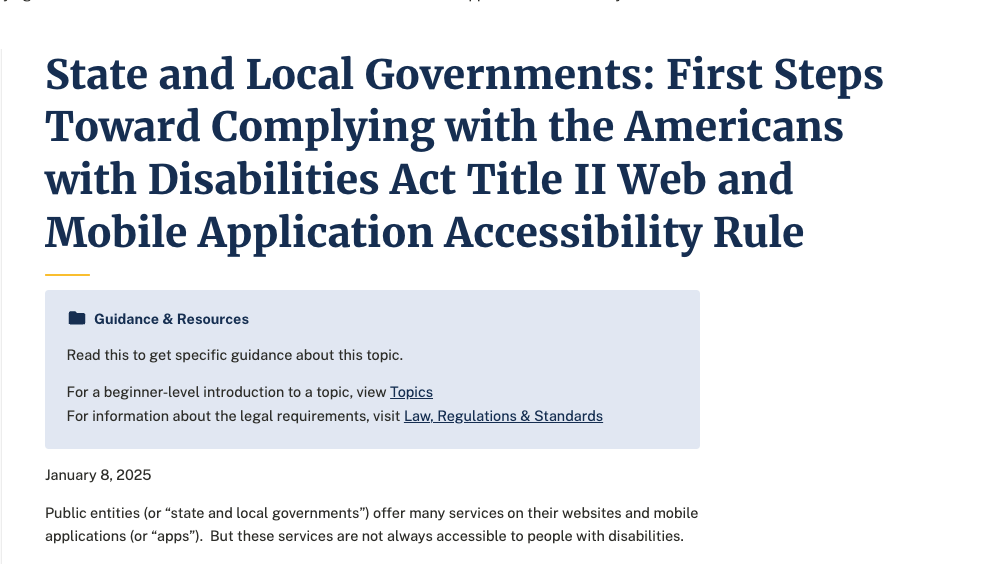
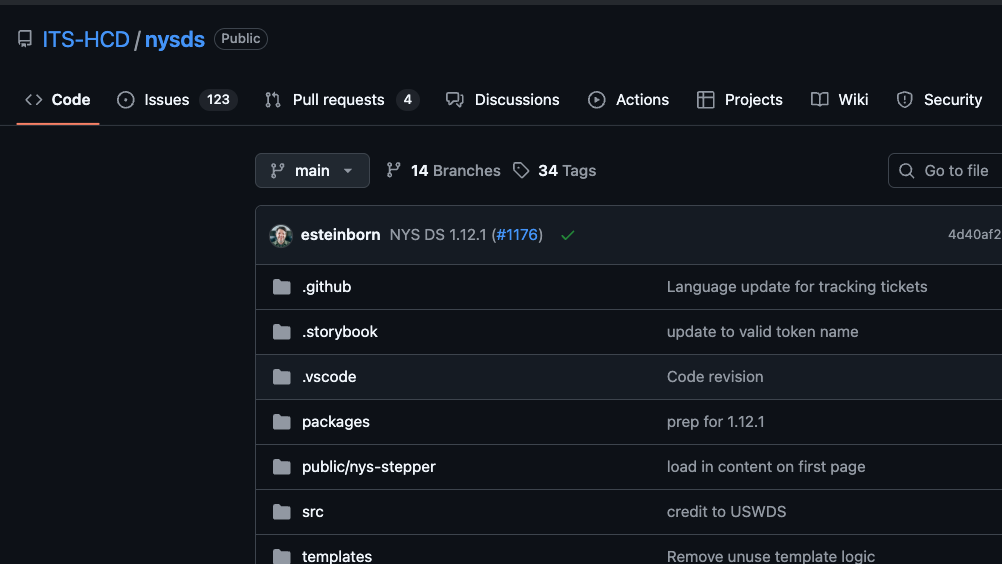
A guidance resource for state and local governments outlining first-step actions to prepare for compliance with the new web and mobile accessibility rule under Americans with Disabilities Act (ADA).
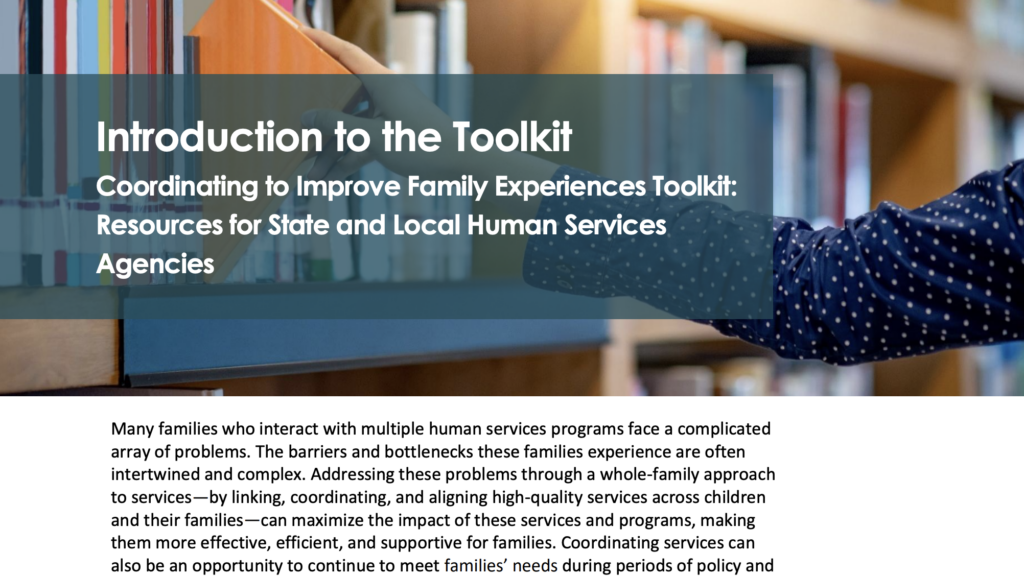
A practical toolkit that helps human services agencies coordinate programs and benefits to better support whole families through aligned policies, processes, and service delivery.
This publication explains current state integrated eligibility and enrollment (IEE) system implementation processes, approaches, and opportunities for future processes and technologies. It is a resource for state officials, advocates, funders, and tech partners working to implement these systems.
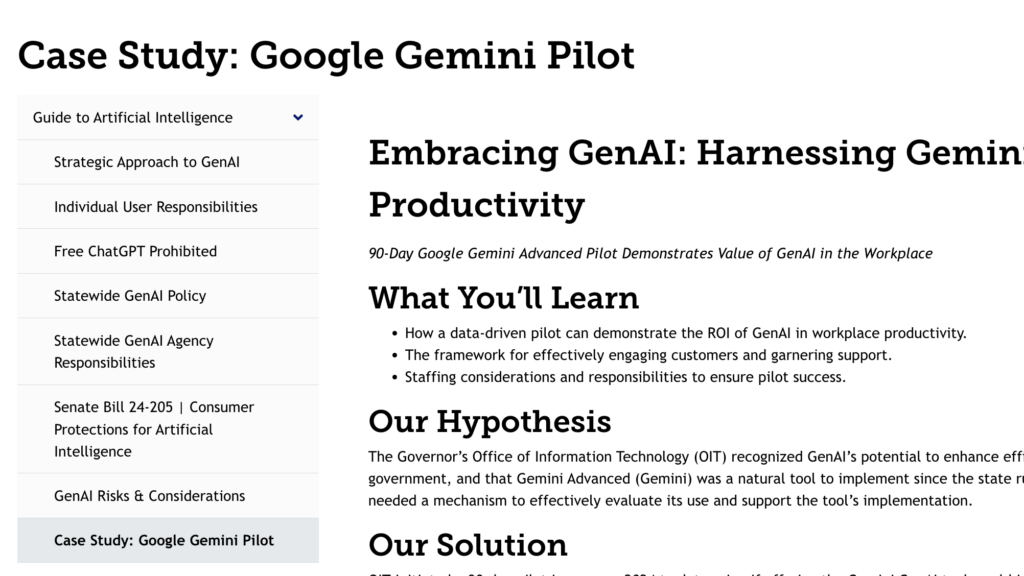
A case study describing how a 90-day generative AI (GenAI) pilot using Google’s Gemini tool was conducted across state agencies to assess productivity, creativity, and responsible use in government work.
Colorado Governor's Office of Information Technology (OIT)
This report provides human-centered design templates and implementation guidance to help states integrate Medicaid work requirement questions into benefits applications while minimizing administrative burden and coverage loss.
Practitioner Picks is a quarterly series designed to add fresh resources to the Digital Government Hub’s library, helping people improve government digital service delivery. Each issue spotlights resources chosen by practitioners in a specific service delivery area along with their insights on why these picks are valuable additions to the Hub.