The Governor's Office of Administration is seeking a project manager 2 to join our growing and innovative Commonwealth Office of Digital Experience PA team! This is your chance to work with a wide range of technologies for an organization that works for the common good of Pennsylvanians. If you are detail-oriented, have excellent communication skills, and want a career serving the public, we want to talk to you!
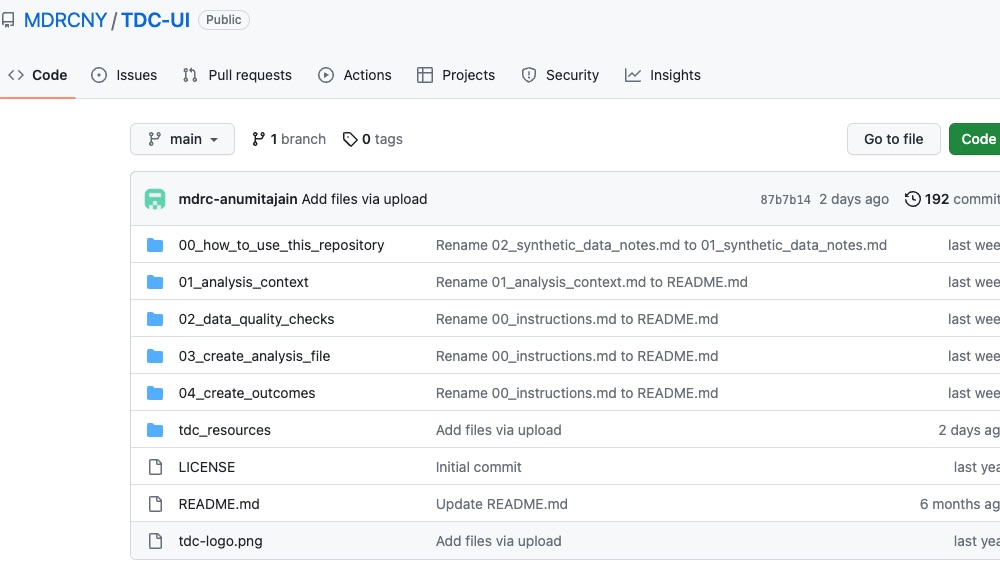
This GitHub repository includes resources that users of the UI wage data toolkit may find helpful. It covers a variety of topics, including equity, data security, programming, and data QC tips. It also serves as a place for our team to continue to post information that the TANF Data Collaborative (TDC) pilot sites found useful during our partnerships with them.
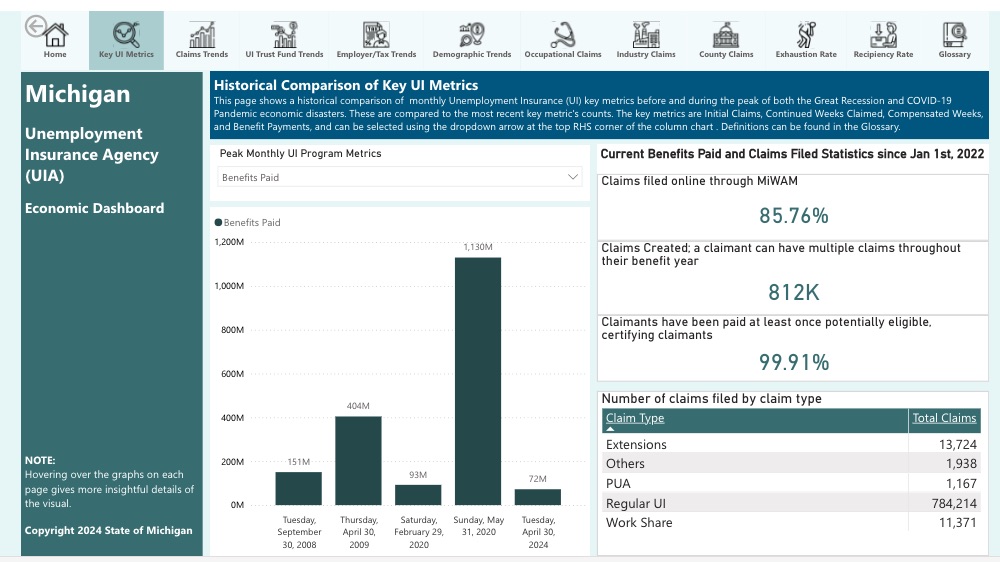
This dashboard provides a comprehensive view of underlying trends in unemployment across Michigan. It serves as an invaluable resource for understanding the impacts of unemployment on various industries, occupations, and communities. By providing detailed insights into sectors experiencing layoffs, claimant demographics, and the regions most affected, the dashboard equips us with the data needed to develop targeted solutions tailored to the needs of Michiganders.
An updated guide for public sector and civic data users to embed racial equity and community voice throughout the data life cycle—from planning to dissemination.
This internal glossary defines key terms and concepts related to automating enrollment proofs for public benefits programs to support shared understanding among product and policy teams.