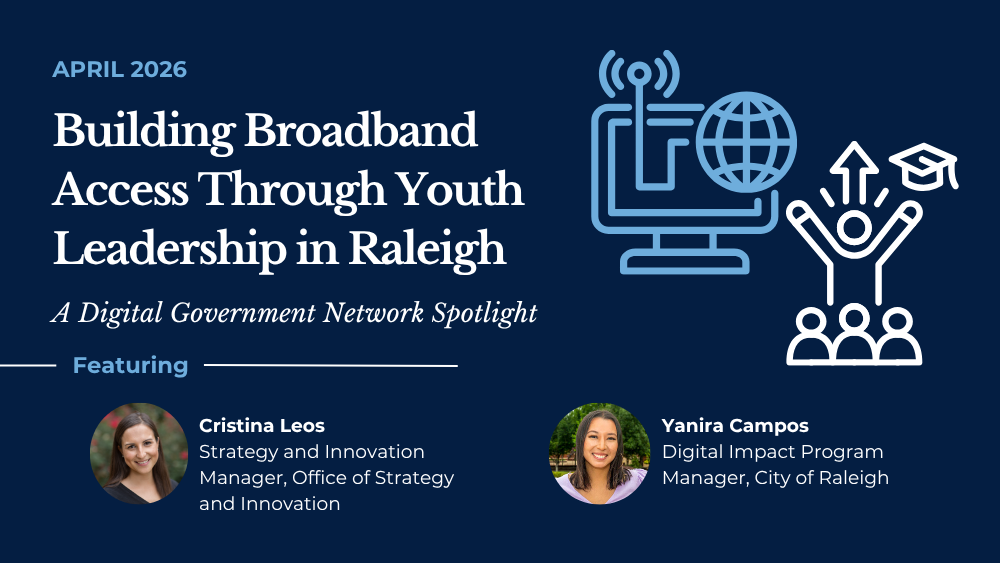
DGN Spotlights are short-form project profiles that feature exciting work happening across our network of digital government practitioners. Spotlights celebrate our members’ stories, lift up actionable takeaways for other practitioners, and put the resources + examples we host in the Digital Government Hub in context.
This report evaluates the effectiveness and implementation of a generative AI-powered assistive chatbot designed to help caseworkers navigate complex public benefit programs like Medicaid and SNAP.
As they transition to providing more services online, there are ways governments can get creative working around talent shortages and entrenched bureaucracies.
In 2018 the Better Identity Coalition released a Policy Blueprint outlining five key initiatives that to solve the majority of America’s challenges in the digital identity space. This report from 2024 grades progress on each of the original Blueprint’s five key initiatives – as well as the 19 items that were contained in the “action plan” to support those initiatives.
In this panel conversation from the Better Identity Coalition’s 2022 policy forum, “Identity, Authentication, and the Road Ahead," representatives from industry and government discuss priorities for authentication and identity management.
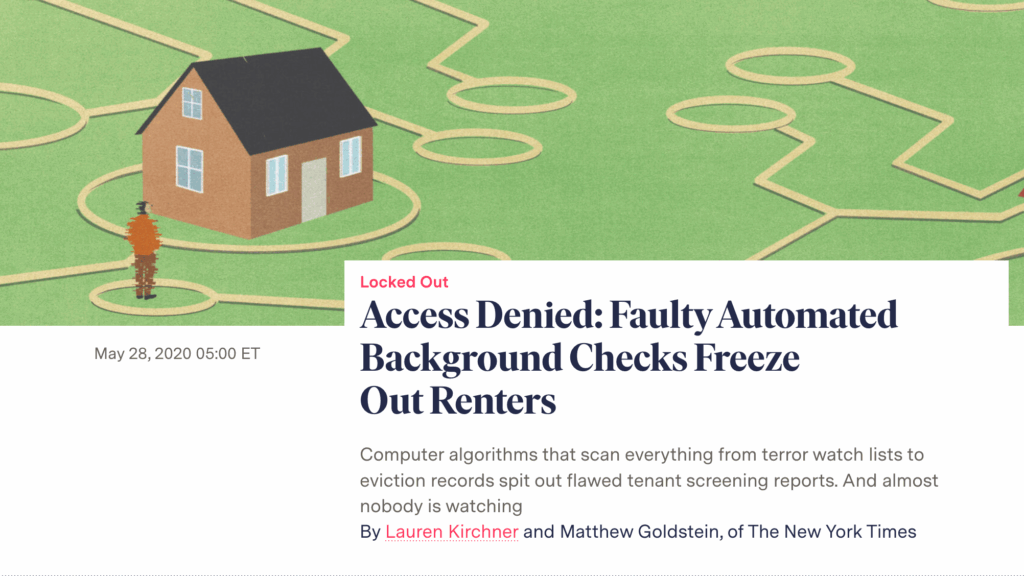
This reporting explores how algorithms used to screen prospective tenants, including those waiting for public housing, can block renters from housing based on faulty information.
This report outlines the guiding principles, policy priorities, and tools for the National Collaborative for Integration of Health and Human Services, aimed at improving health and well-being outcomes through the integration of health care and human services programs.
American Public Human Services Association (APHSA)
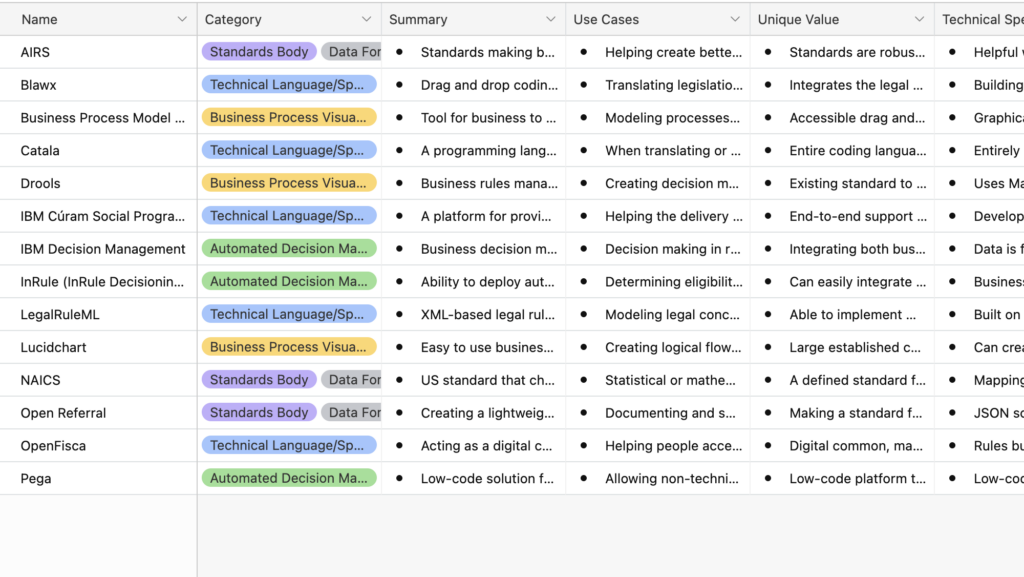
There are frameworks available that could inform the standardization of communicating rules as code for U.S. public benefits programs. The Airtable communicates the differences between the frameworks and tools. Each entry is tagged with different categories that identify the type of framework or tool it is.
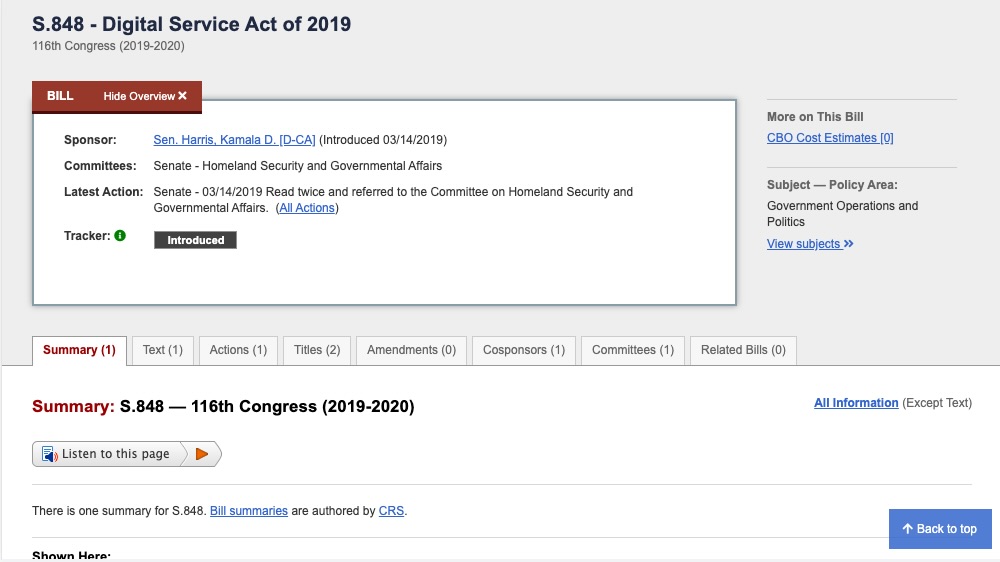
This bill authorizes the U.S. Digital Service to make a grant to a state, Indian tribe, or local government to establish or support a team of relevant experts dedicated to modernizing the delivery of government services to the public through information technology. A state, tribe, or local government may receive up to two such grants.
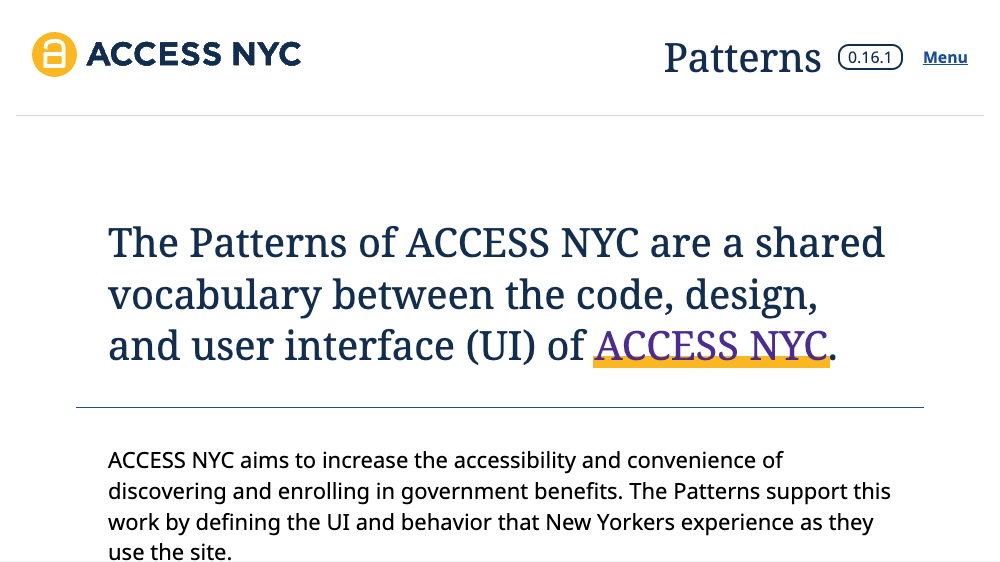
ACCESS NYC aims to increase the accessibility and convenience of discovering and enrolling in government benefits. These patterns support this work by defining the UI and behavior that New Yorkers experience as they use the site.
In this updated primer, the DBN describes how identity proofing and authentication show up in public benefits applications and outlines equity and security concerns raised by common identity proofing and authentication methods.