A toolkit that explains how to apply a content-first design approach to public services, helping teams design content strategy and interfaces based on user needs.
The report examines how AI deployment across state and local public administration such as chatbots, voice transcription, content summarization, and eligibility automation are reshaping government work.
Guidance on improving how well AI systems can understand digital content. It emphasizes using machine-readable formats and applying clear content design strategies to enhance both AI processing and human accessibility
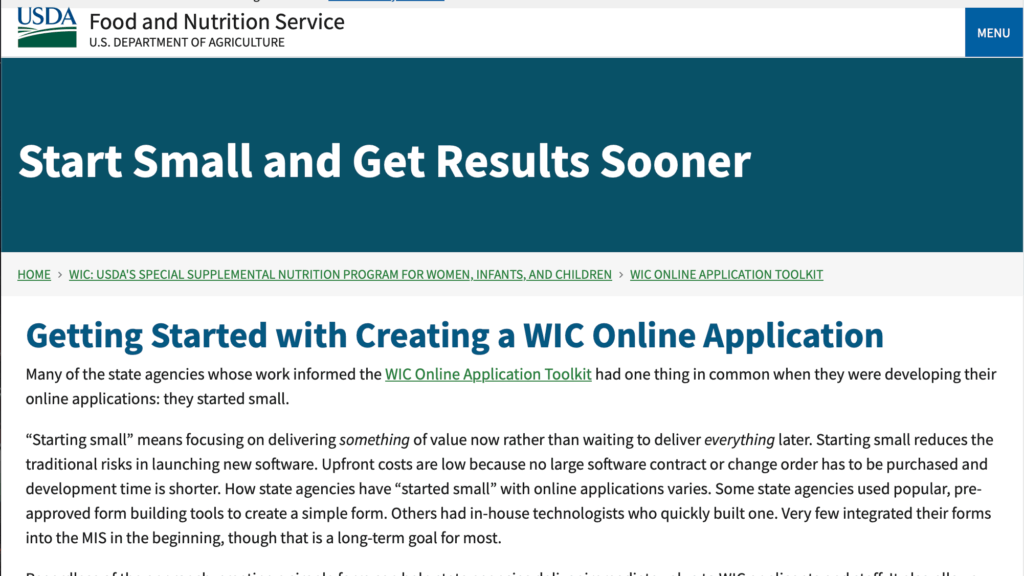
The “Start Small” approach encourages agencies to begin with targeted, manageable improvements in their WIC application process before expanding changes more broadly, fostering easier implementation and measurable early successes.
Led by the Digital Benefits Network in partnership with Public Policy Lab, the Digital Doorways research project amplifies the lived experiences of beneficiaries to provide new insights into people’s experiences with digital identity processes and technology in public benefits. This report details the project’s findings, directly highlighting the voices of beneficiaries through videos and photos.
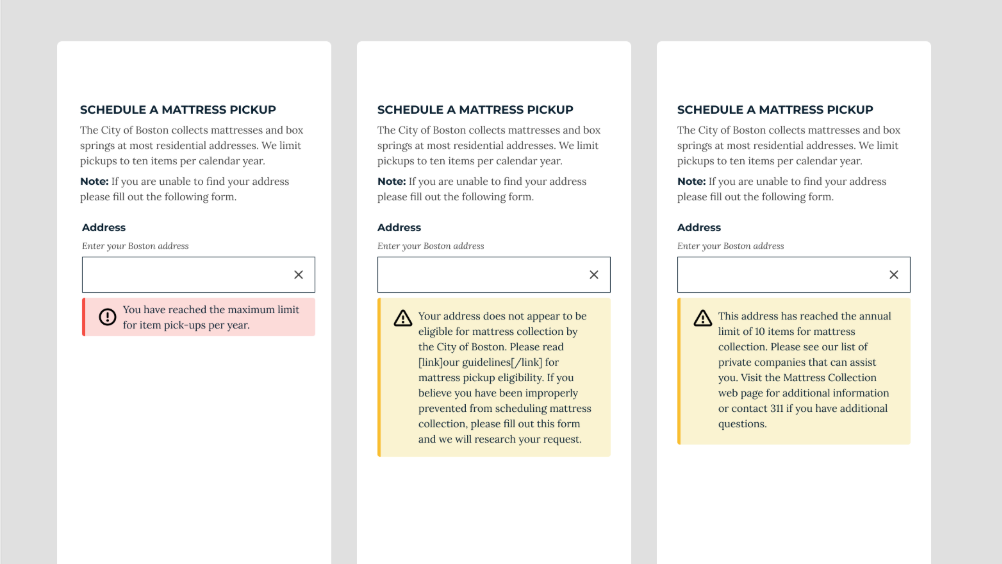
These Figma artifacts illustrate the end-to-end design of Boston’s digital mattress recycling service, including resident scheduling flows, mobile interfaces, alerts, and design system components.
This framework provides a structured approach for ensuring responsible and transparent use of AI systems across government, emphasizing governance, data integrity, performance evaluation, and continuous monitoring.
This report outlines best practices for developing transparent, accessible, and standardized public sector AI use case inventories across federal, state, and local governments
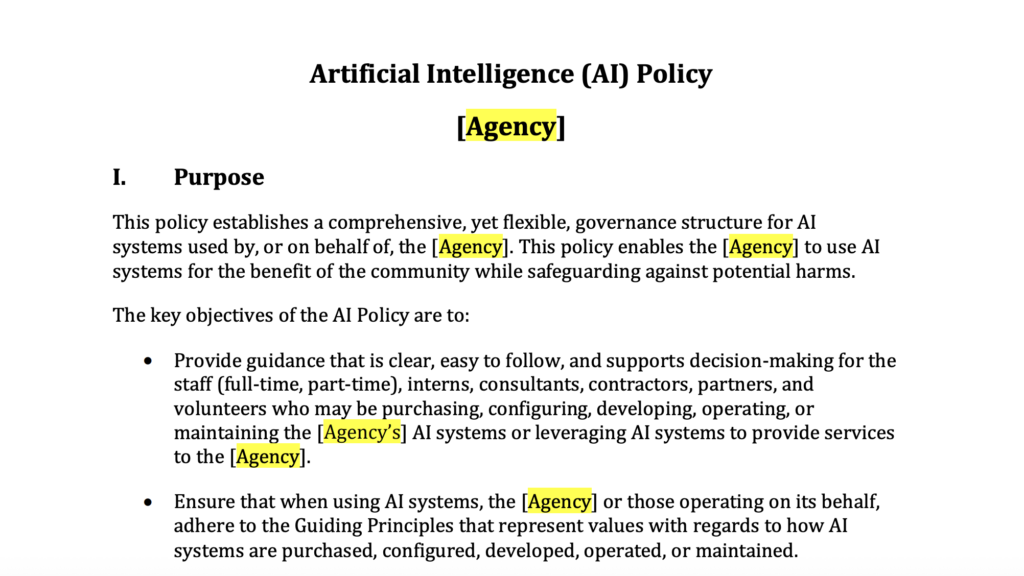
A customizable policy template that establishes governance, roles, principles, and risk-management processes for the responsible use of artificial intelligence within a government agency.