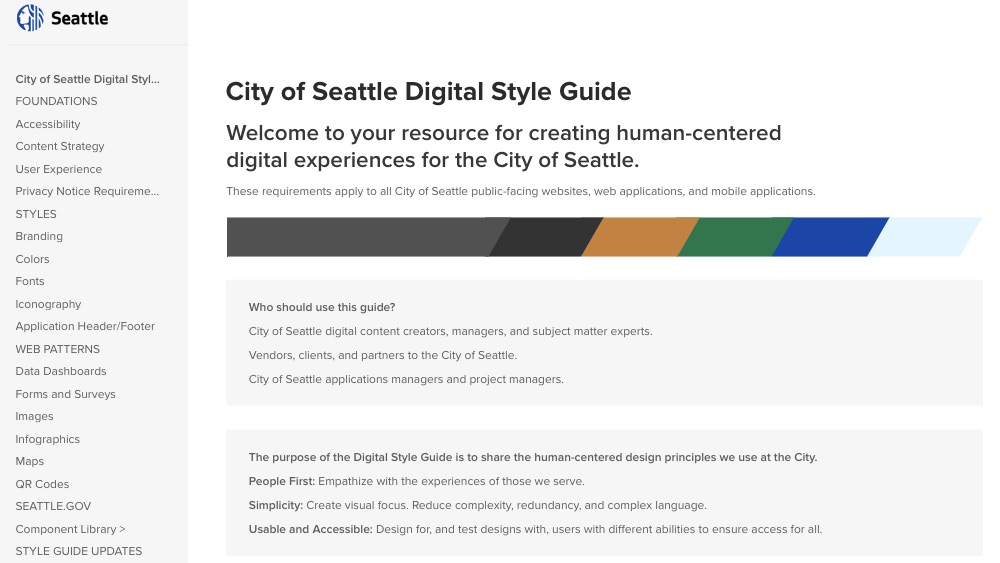
This research paper explores how government design systems function as the “translation layer” of digital public infrastructure, transforming technical systems into accessible, trustworthy citizen experiences.
The GitHub repository for the open-source software and tools developed by the Digital Service at CMS to support modernizing healthcare systems and improving open-source project practices.
Defining a product in government digital services is crucial, as it serves as the means through which a service is delivered to the public, and understanding its attributes ensures effective and continuous improvement.
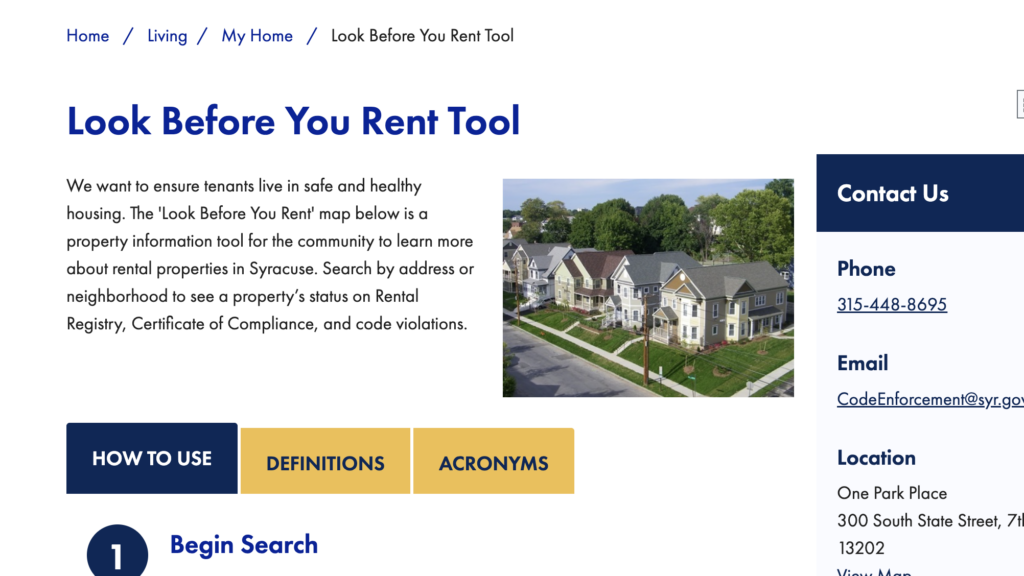
This blog describes the purpose and functionality of the Look Before You Rent online tool, which enables users to search rental property addresses and view any recorded housing code violations, inspection outcomes, or complaints.
DGN Spotlights are short-form project profiles that feature exciting work happening across our network of digital government practitioners. Spotlights celebrate our members’ stories, lift up actionable takeaways for other practitioners, and put the resources + examples we host in the Digital Government Hub in context.