An online hub that connects WIC agencies and their partners through a national Data Matching Community of Practice, offering quarterly virtual convenings to share best practices, case studies, and peer learning on strategies to improve WIC outreach and enrollment.
This brief explores the relationship between economic hardship and child welfare involvement, examining how direct cash transfers (DCTs) can reduce child maltreatment and strengthen family stability.
A practical toolkit that helps human services agencies coordinate programs and benefits to better support whole families through aligned policies, processes, and service delivery.
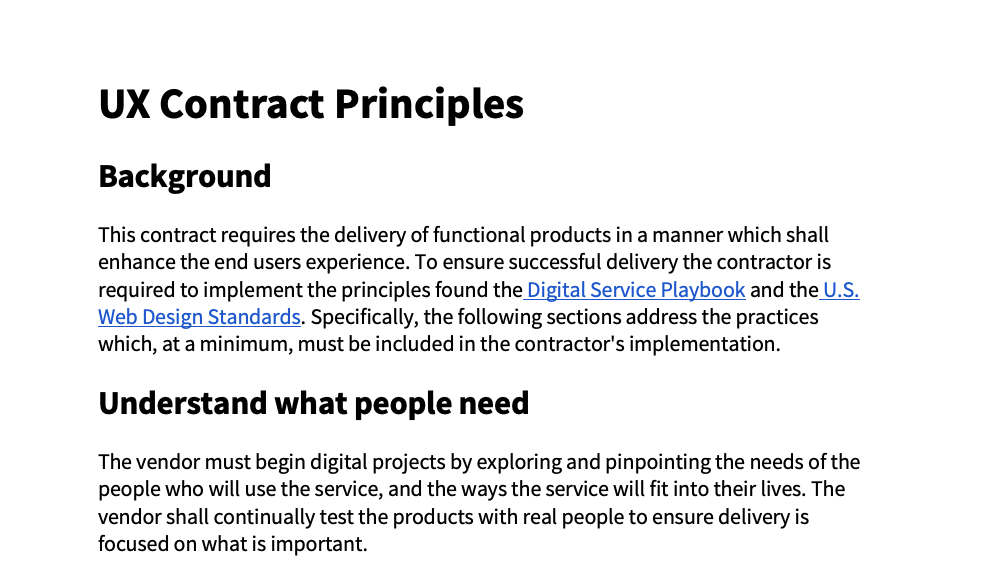
A set of contract-ready principles and requirements that define how vendors must deliver user-centered, accessible, and data-informed digital services.
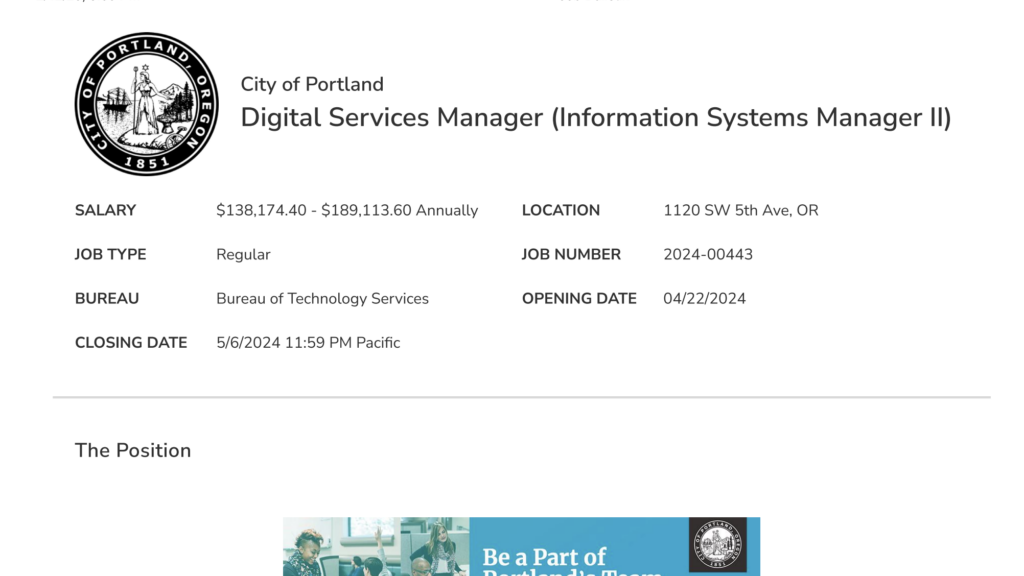
A public sector job posting for the City of Portland’s Digital Services Manager role, focused on leading digital transformation and improving resident-facing services through user-centered product management.
This primer introduces two foundational software types that can support organizations that are committed to accessible benefits information: content management systems (CMS) and application program interfaces (APIs).
A profile on FormFest speakers Sarah Rodriguez, Emily Lippolis, and Verenice Ramirez, featuring stories about their motivations for working on public sector form innovation.
The article examines the impact of digital interfaces on welfare state administration, focusing on the UK's Universal Credit system and the design elements that shape user interactions and behavior in an "interface first" bureaucracy.
The SDCI User Research Participant Compensation Policy establishes guidelines for providing honoraria to user research participants, ensuring equitable, ethical, and inclusive engagement in SDCI’s UX research.
Seattle Department of Construction & Inspections (SDCI)