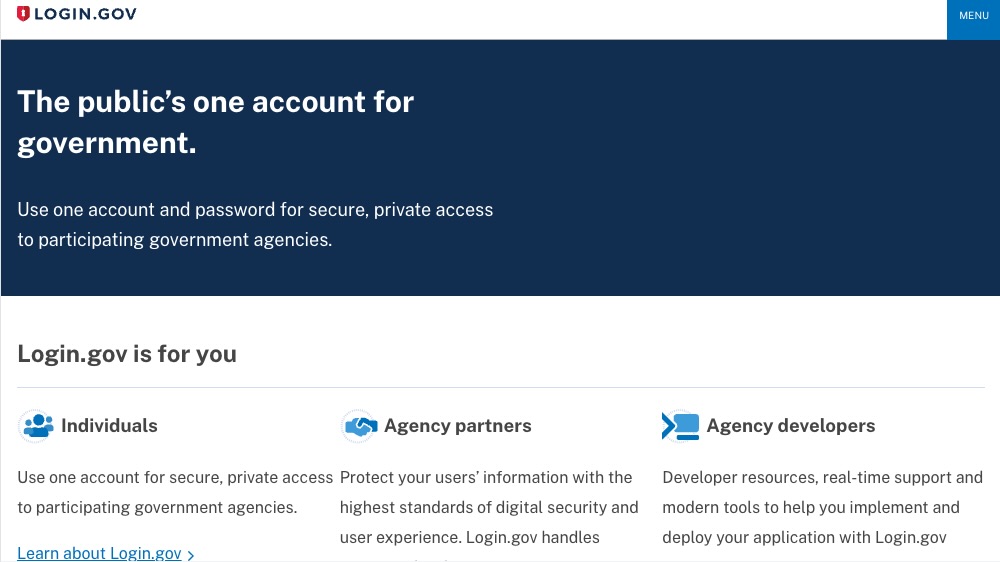
Described as the “public’s one account for government,” this U.S. government website allows users to use one account and password for secure, private access to participating government agencies.
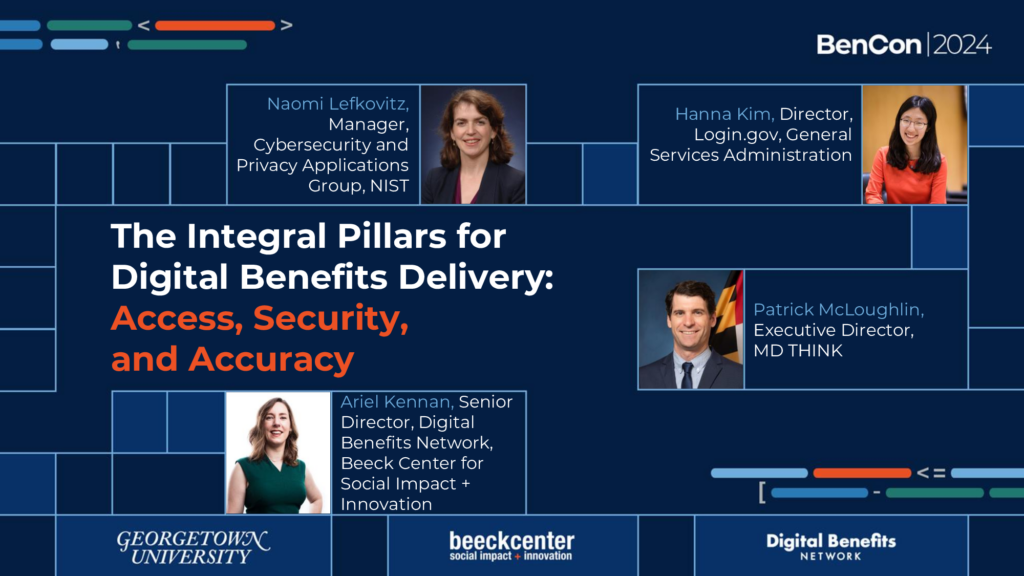
Government leaders discuss how to ensure seamless access to public benefits through breaking down silos, user-friendly digital identities, and privacy-focused security measures.
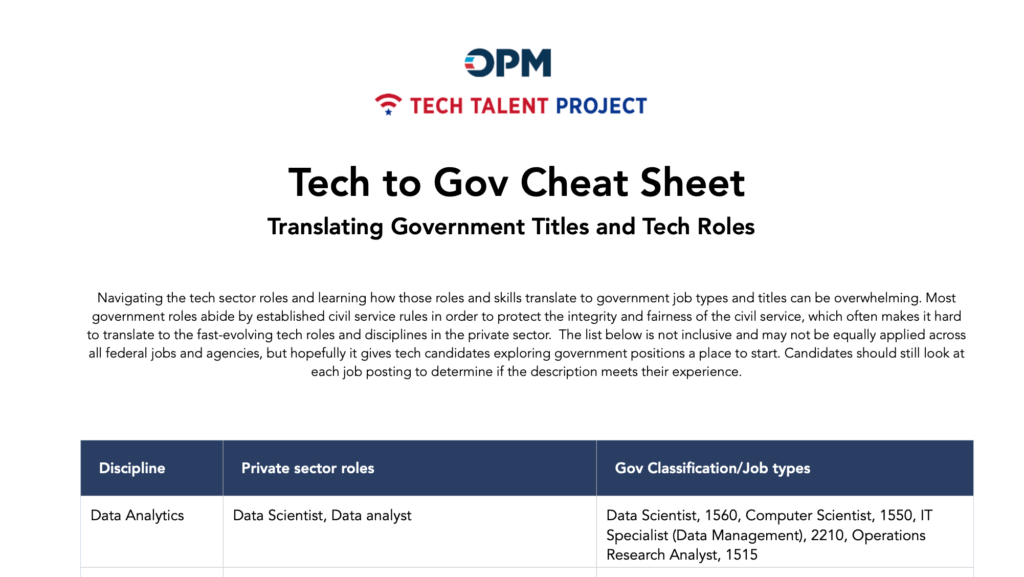
This resource helps tech professionals navigate how their skills and roles align with government job types and titles, providing a starting point for exploring positions within the structured civil service system.
This cheat sheet helps job seekers translate private-sector technology roles and skills into equivalent U.S. government job classifications and titles.
Recapping the work and achievements of the Digital Benefits Network (DBN), Digital Service Network (DSN), and the State Chief Data Officers Network (CDO) in 2025.
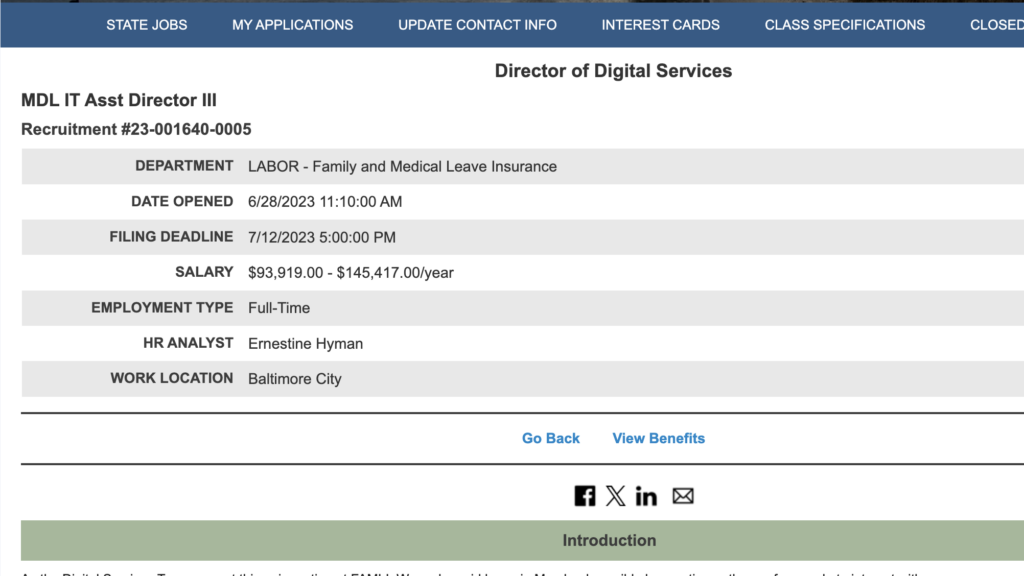
A public sector job posting for Maryland’s Director of Digital Services role, focused on building and leading user-centered digital systems for the state’s new paid family and medical leave program.
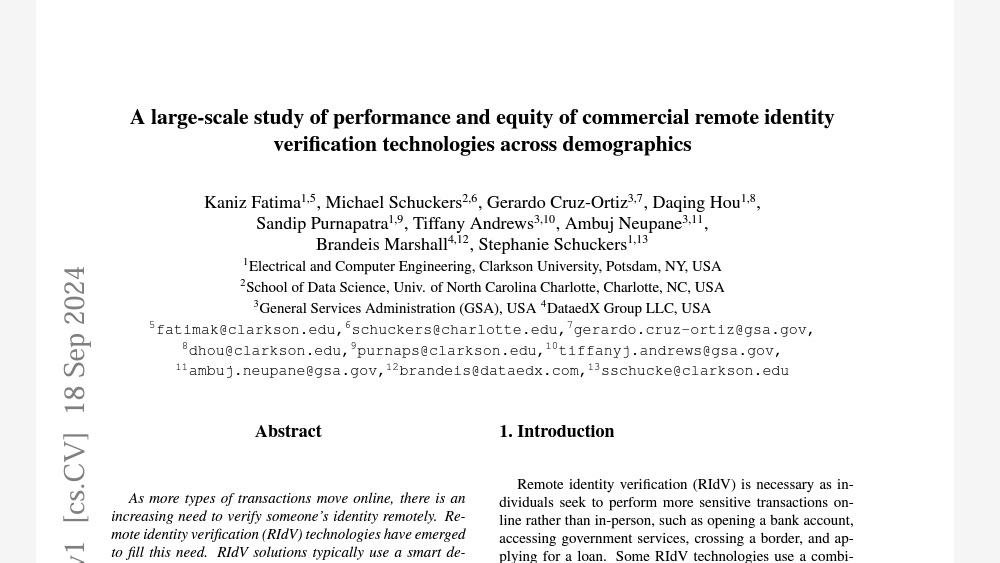
This study assesses five commercial RIdV solutions for equity across demographic groups and finds that two are equitable, while two have inequitable performance for certain demographics.
The New York State WIC program website provides access to nutritious foods, nutrition education, breastfeeding/chestfeeding support, and referrals to eligible pregnant, breastfeeding, and postpartum individuals, infants, and children up to age five.
This study highlights a 2.2% increase in citizen satisfaction with federal services, reaching a seven-year high, driven by improvements in digital experiences, government processes, and complaint handling.
A collaborative resource document detailing the civic tech support offerings, state and local government resources, and civic tech organizational support.