These recommendations outline privacy-focused guidelines for states adopting digital IDs, emphasizing protections against surveillance, ensuring equitable access, and maintaining control over personal data.
This report details the use of the historic investment of $1 billion in funding from the American Rescue Plan Act (ARPA) to the Department of Labor and state unemployment (UI) agencies to modernize state UI programs.
This report details the Department of Homeland Security’s progress in modernizing its digital services and websites to improve accessibility, usability, and customer experience, as mandated by federal law.
This framework provides voluntary guidance to help employers use AI hiring technology in ways that are inclusive of people with disabilities, while aligning with federal risk management standards.
This provides a comprehensive look at child well-being across the U.S., ranking states and highlighting policy recommendations to improve outcomes for children.
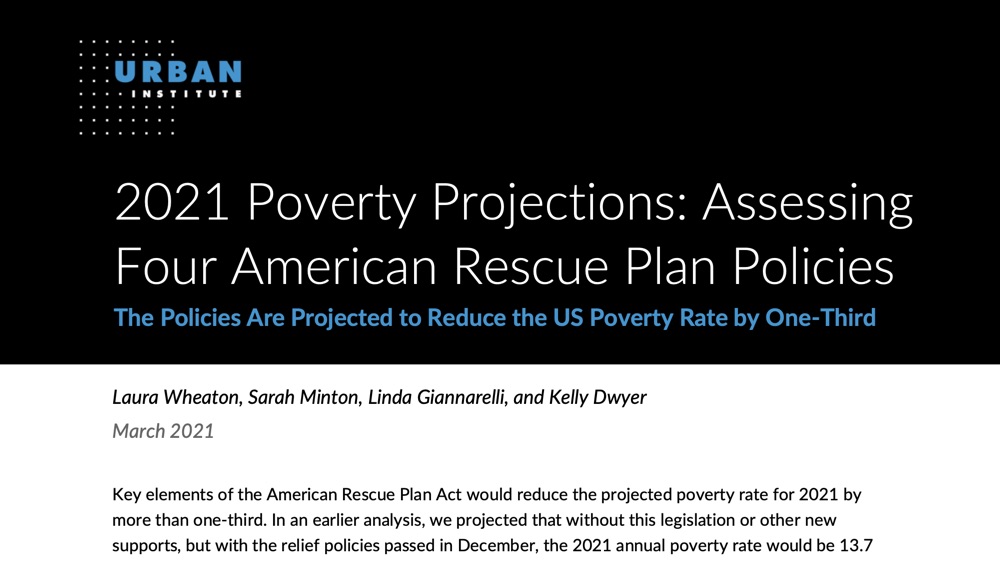
This report describes key elements of the American Rescue Plan Act and how it would reduce the projected poverty rate for 2021. Various projections regarding the effects of the policy are described in this report.
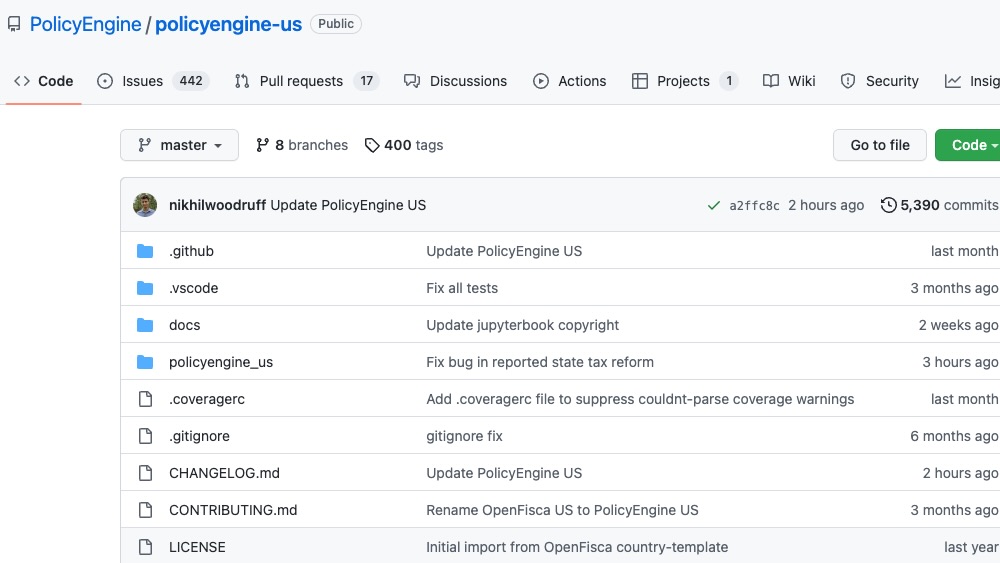
PolicyEngine US is a Python-based microsimulation model of the US tax and benefit system. It models federal individual income taxes (including credits), major benefit programs, and state income taxes (currently in six states). The PolicyEngine US package can be used as a Python package, via the PolicyEngine API, or via the policyengine.org web app.
This report provides an overview of artificial intelligence (AI), key policy considerations, and federal government activities related to AI development and regulation.
Digitizing public benefits policy will make the biggest impact for administrators and Americans, but only if it happens at the highest level of government.