This article provides an overview of the Medicaid Payment Error Rate Measurement (PERM) program and examines how the 2025 budget reconciliation law introduces new federal funding reductions for states that exceed specific eligibility error thresholds.
This quarterly research update aims to highlight key learnings related to improving unemployment insurance (UI) systems in the areas of equity, timeliness, and fraud, and monitor for model UI legislation and policy related specifically to technology. Subscribe to receive future editions.
This paper evaluates the technical vendor landscape as states prepare to implement Medicaid work requirements mandated by the H.R. 1 reconciliation law.
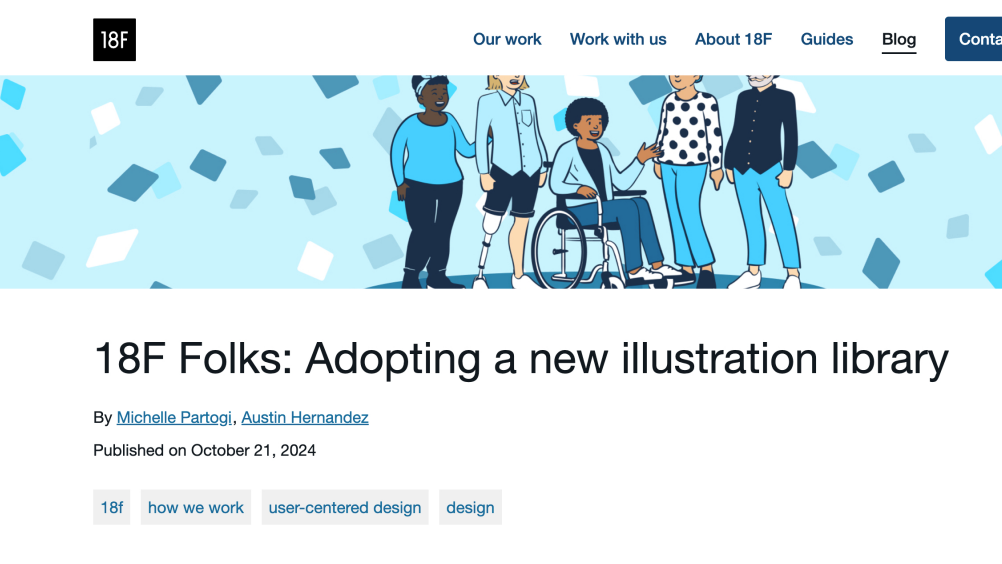
This blog describes how 18F adopted a new illustration library (“18F Folks”) based on Open Peeps, to better represent diversity, context, and human experiences in their visual communications.
This report explores innovative solutions and insights from CMS Innovation Center's Hackathon series to address the unique healthcare challenges faced by rural, Tribal, and geographically isolated communities.
This brief outlines the U.S. federal government’s framework to identify, reduce, and address administrative burdens through a series of executive orders, legislative actions, and updated policies focused on improving customer experience and increasing access to government benefits.
This report outlines the U.S. Department of Labor’s comprehensive action plan to strengthen the unemployment insurance (UI) system by addressing chronic underfunding and proposing legislative reforms to support long-term modernization and resilience.
A workshop led by Elham Ali on integrating the principles of human-centered design and equity to Artificial Intelligence (AI) design, use, and evaluation.
This framework provides practical guidance, detailed reference designs, and example solutions to help organizations securely adopt and operationalize Zero Trust principles across diverse IT environments.
National Institute of Standards and Technology (NIST)