A research report examines how internal workplace conditions in federal agencies influence employee satisfaction and ultimately the quality of services delivered to the public.
This report documents the key lessons learned from the UK Universal Credit Programme between 2010 and 2025, reflecting on the program’s management, implementation, and development over its lifecycle.
A TLDR of the State CDO Archetypes report—covering how state CDO offices operate and the six archetypes that define them. Written for event attendees and government staff: governor's office, IT and budget leadership, legal and data officials, and legislators who oversee CDO funding and establishment.
This workshop summary synthesizes key takeaways from a convening of nearly 40 research and data analytics staff from 15 states focused on SNAP Quality Control (QC) data modeling.
This report examines how the U.S. federal government can enhance the efficiency and equity of benefit delivery by simplifying eligibility rules and using a Rules as Code approach for digital systems.
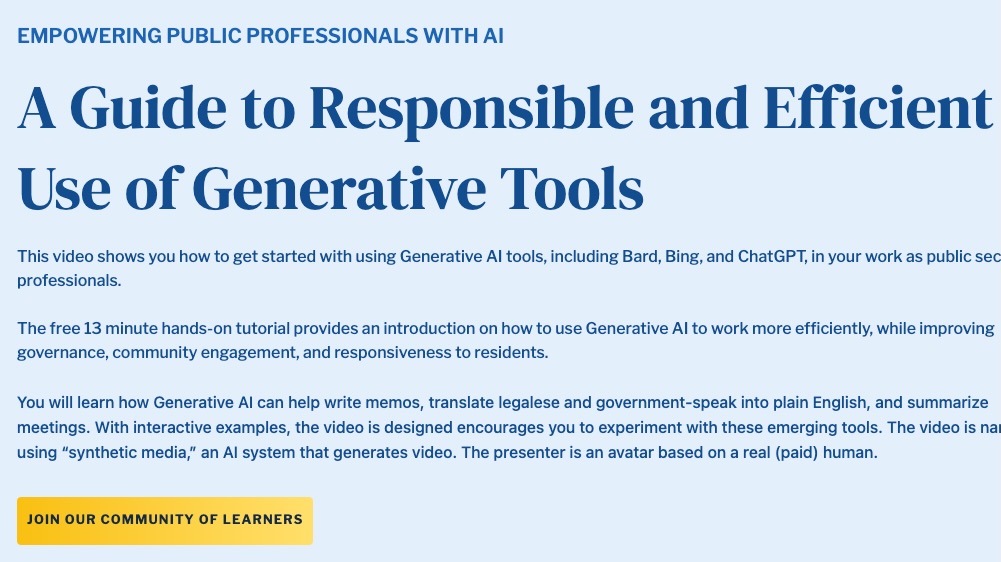
This video shows you how to get started with using Generative AI tools, including Bard, Bing, and ChatGPT, in your work as public sector professionals.
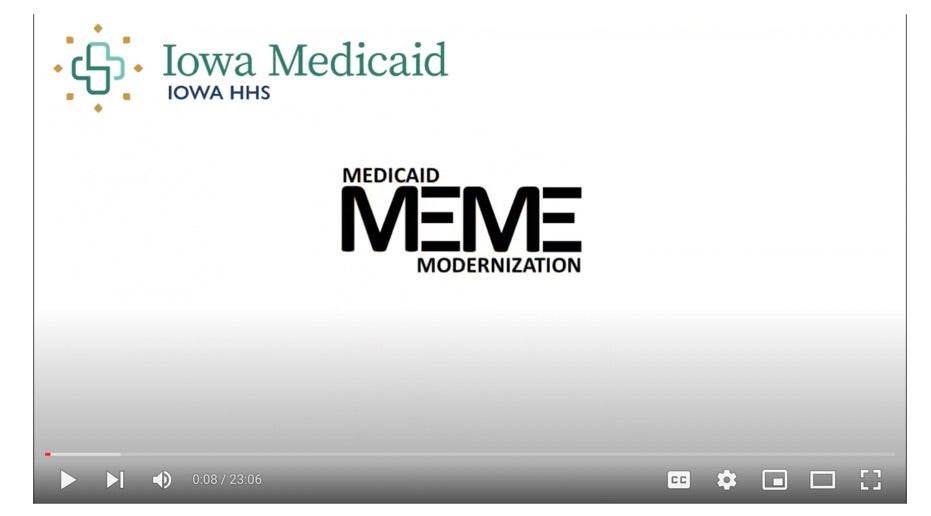
As a next step in Iowa's modernization effort, the MEME project released a video describing Iowa's proposed approach and next steps for the purpose of engaging with vendors. The video linked here provides additional information on the project's learnings so far.