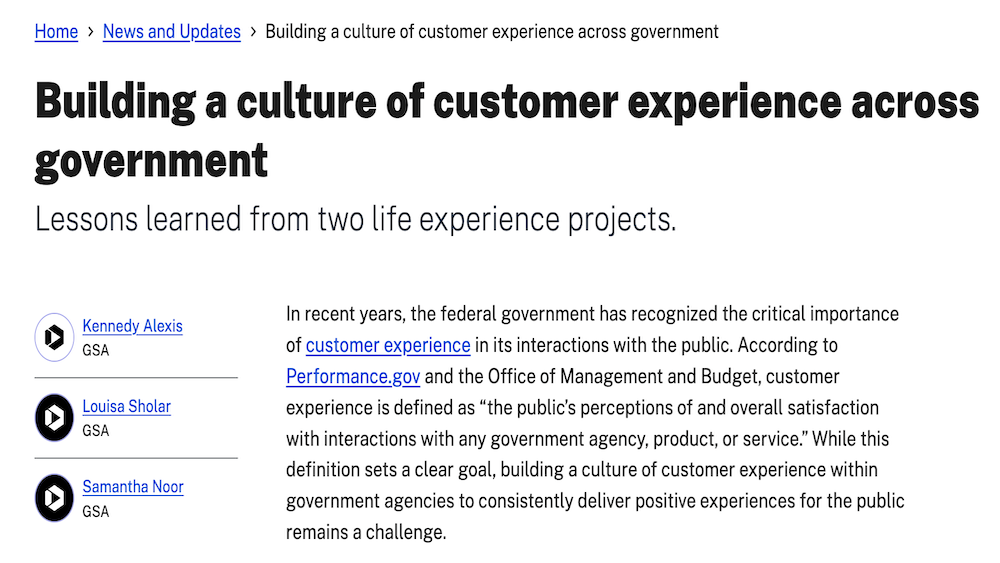
The article highlights the federal government's efforts to improve customer experience through collaborative, human-centered approaches and lessons on embracing risk, partnerships, and user-focused design.
The article discusses effective strategies for training government partners in digital services, emphasizing the importance of prioritizing training, setting clear objectives, and fostering mutual understanding and trust.
This publication describes the research process and protocol used in the Digital Benefits Networks research project, "Digital Account Creation and Identity Proofing in Public Benefits Applications."
This report explores innovative solutions and insights from CMS Innovation Center's Hackathon series to address the unique healthcare challenges faced by rural, Tribal, and geographically isolated communities.
This resource offers practical strategies for early childhood programs to create inclusive, affirming environments for LGBTQIA2S+ families and their children.
U.S. Department of Health and Human Services (HHS)
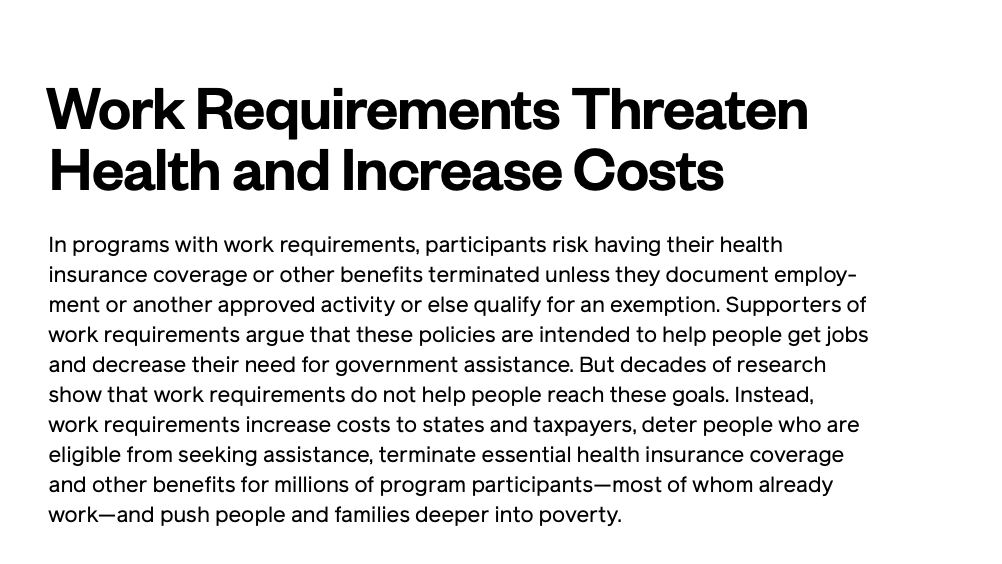
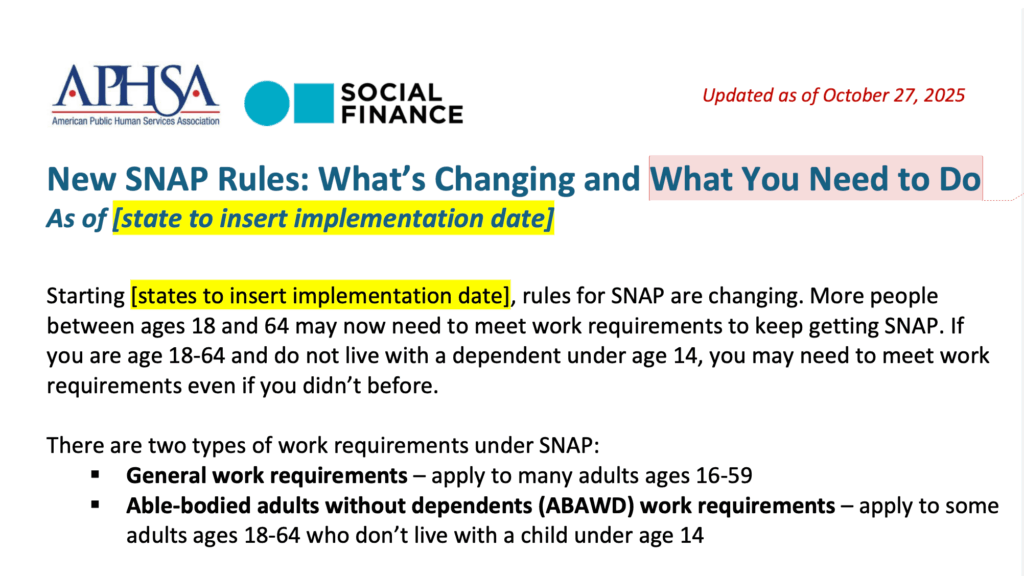
A research brief explaining how work requirements in programs like Medicaid and SNAP reduce coverage, increase administrative costs, and push eligible people deeper into poverty without improving employment outcomes.