This panel discussion from the Academy's 2025 Policy Summit explores the intersection of artificial intelligence (AI) and public benefits, examining how technological advancements are influencing policy decisions and the delivery of social services.
A guidance resource for state and local governments outlining first-step actions to prepare for compliance with the new web and mobile accessibility rule under Americans with Disabilities Act (ADA).
This paper explores how legacy procurement processes in U.S. cities shape the acquisition and governance of AI tools, based on interviews with local government employees.
This report examines how governments use AI systems to allocate public resources and provides recommendations to ensure these tools promote equity, transparency, and fairness.
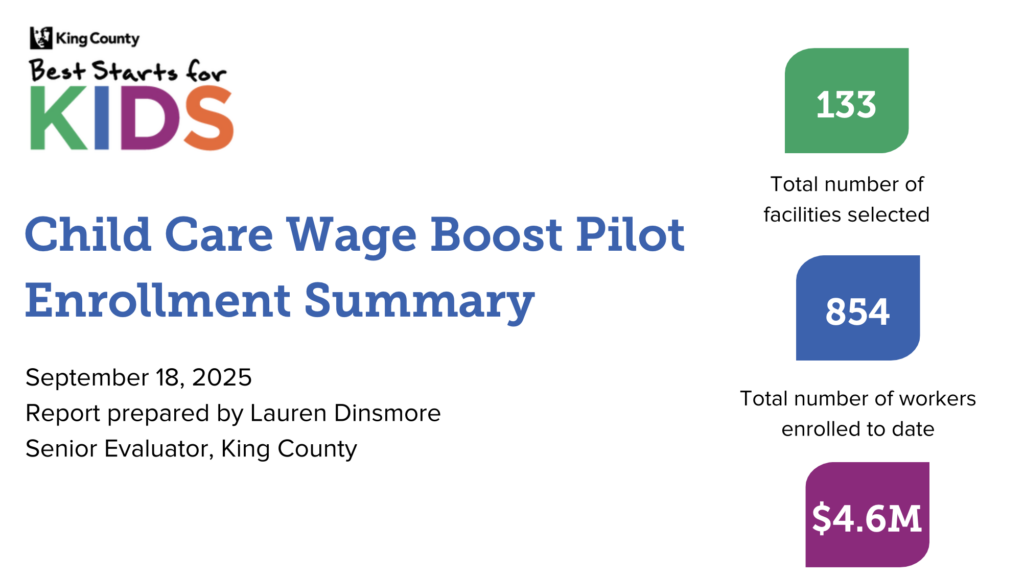
A participant handbook that explains how a child care wage boost pilot works, including eligibility, enrollment, payments, privacy protections, and ongoing responsibilities for facilities and workers.
King County Department of Community and Human Services
A data snapshot summarizing enrollment, participation, and early characteristics of workers and facilities participating in a child care wage boost pilot.
In this webinar, a panel of experts discuss what states can do right now to improve EBT security, how to use data to analyze theft patterns, and how EBT payment technology needs to evolve to ensure efficiency, security, and dignity for beneficiaries.