The article highlights the federal government's efforts to improve customer experience through collaborative, human-centered approaches and lessons on embracing risk, partnerships, and user-focused design.
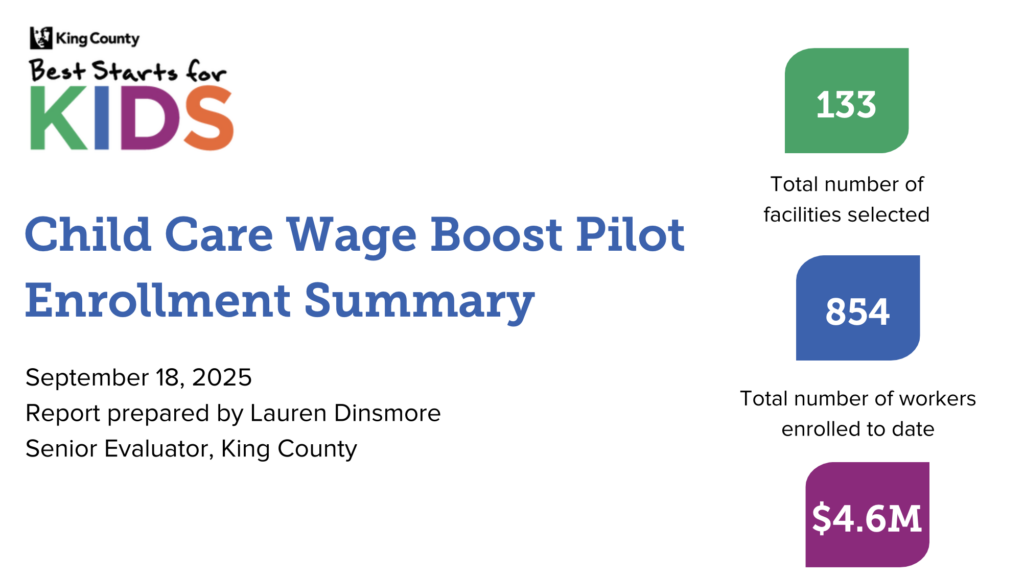
A data snapshot summarizing enrollment, participation, and early characteristics of workers and facilities participating in a child care wage boost pilot.
This interview template includes questions designed to help teams conduct exploratory, semi-structured interviews with government stakeholders involved in program delivery to gather information that can help them evaluate the status quo of digital delivery in their organization.
This publication describes the research process and protocol used in the Digital Benefits Networks research project, "Digital Account Creation and Identity Proofing in Public Benefits Applications."
This session from FormFest 2024 focused on how to help people get the assistance they need from the U.S. Department of Health and Human Services’ work on the Low Income Home Energy Assistance Program (LIHEAP) and the Maryland Social Services Administration’s work to improve welfare support for kinship caregivers.
This report provides a comprehensive analysis of administrative burdens, offering strategies to reduce unnecessary obstacles in public service delivery, with a focus on improving access to government services for underserved and marginalized populations.
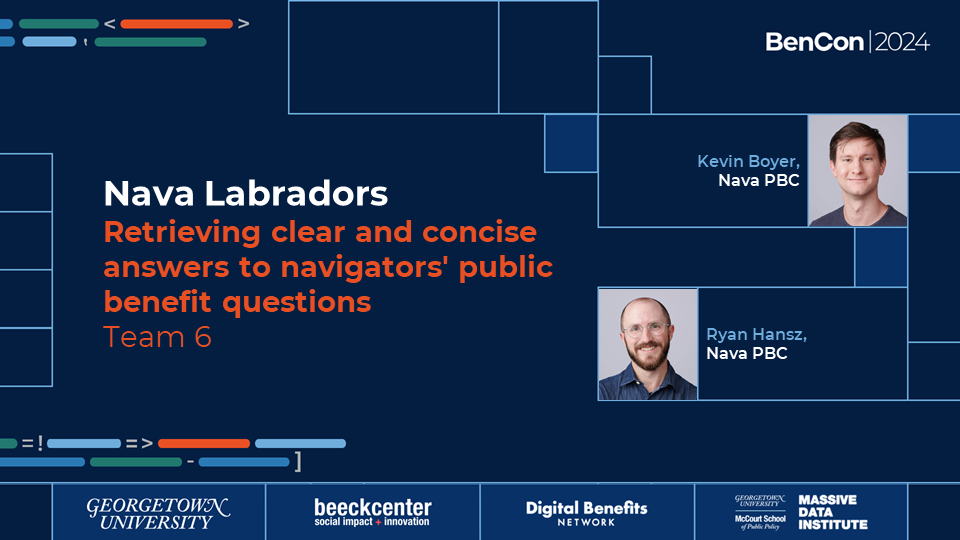
The team developed an AI solution to assist benefit navigators with in-the-moment program information, finding that while LLMs are useful for summarizing and interpreting text, they are not ideal for implementing strict formulas like benefit calculations, but can accelerate the eligibility process by leveraging their strengths in general tasks.
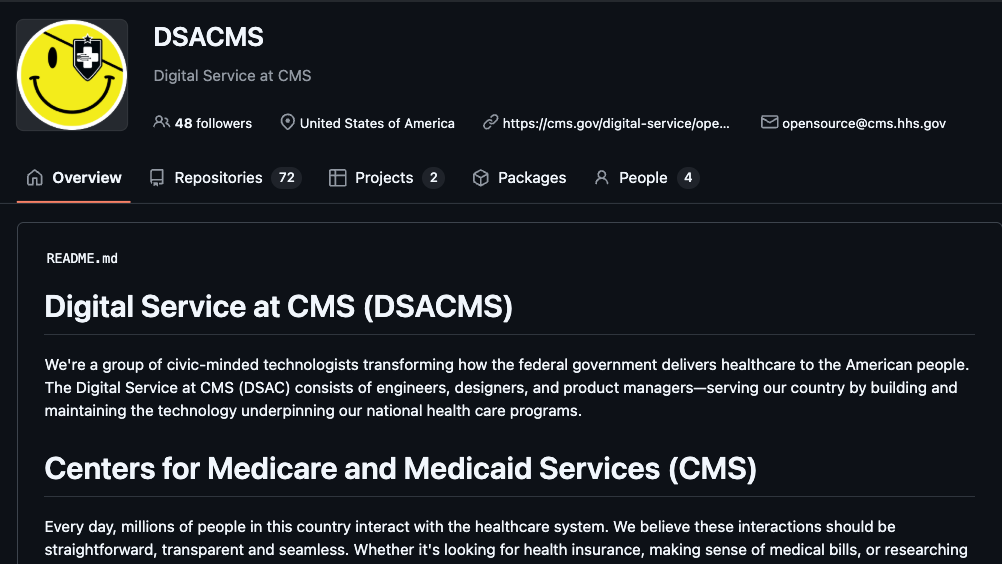
The GitHub repository for the open-source software and tools developed by the Digital Service at CMS to support modernizing healthcare systems and improving open-source project practices.
This design system accessibility checklist ensures that all components and design tokens meet or exceed the WCAG 2.1 AA standards, aligning fully with Government of Canada accessibility requirements.