This case study explores how the City of Akron developed a community tree map to engage residents in urban forestry efforts, enabling them to identify, grow, and care for trees in their neighborhoods.
The Federal Government made it easier for the public to share their knowledge, needs, and lived experiences to improve how government works for them and with them.
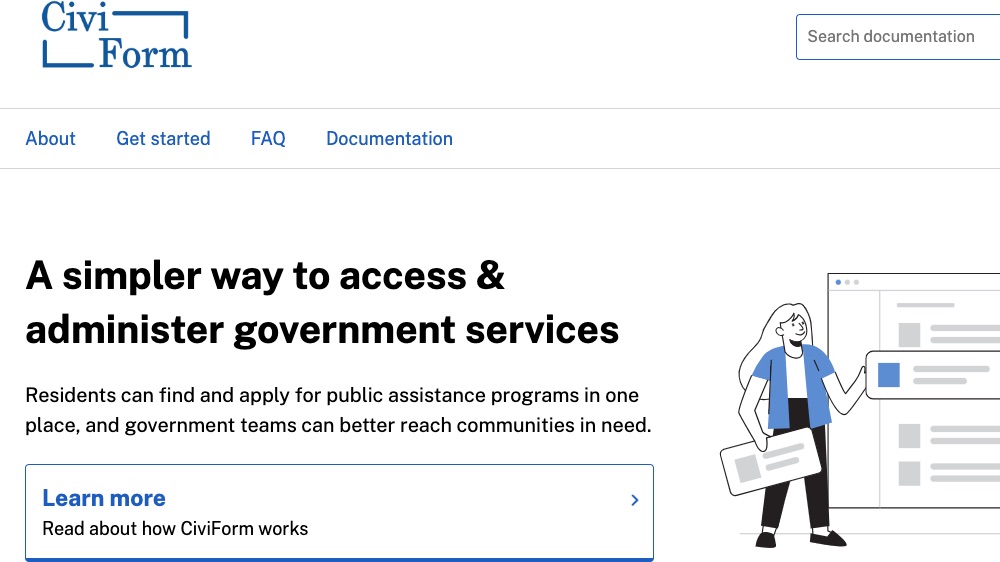
CiviForm is a free, open source software solution for governments that was built to simplify how residents find and apply for public assistance programs.
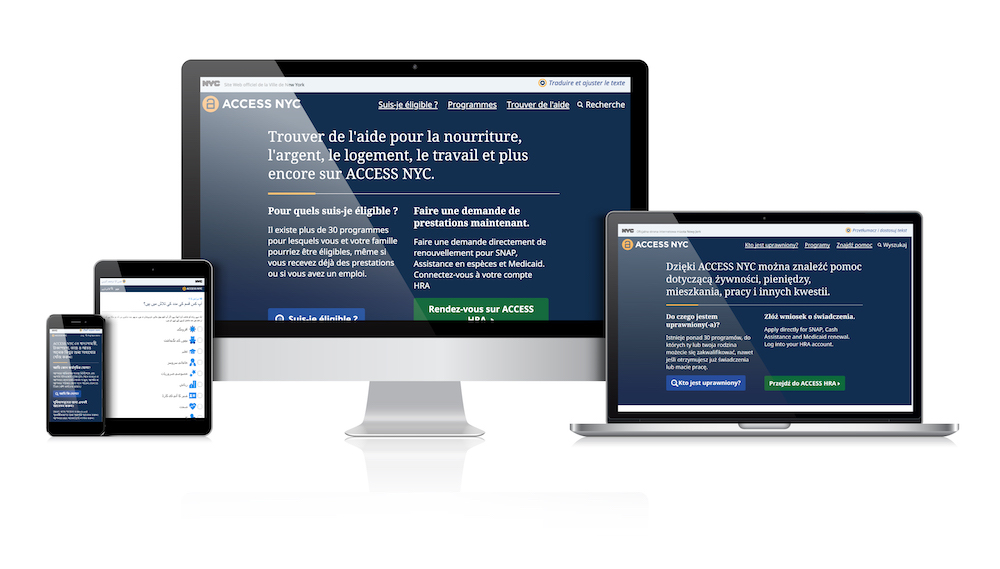
ACCESS NYC is an online public screening tool that residents can use to determine the City, State, and Federal health and human service benefit programs for which they are eligible.
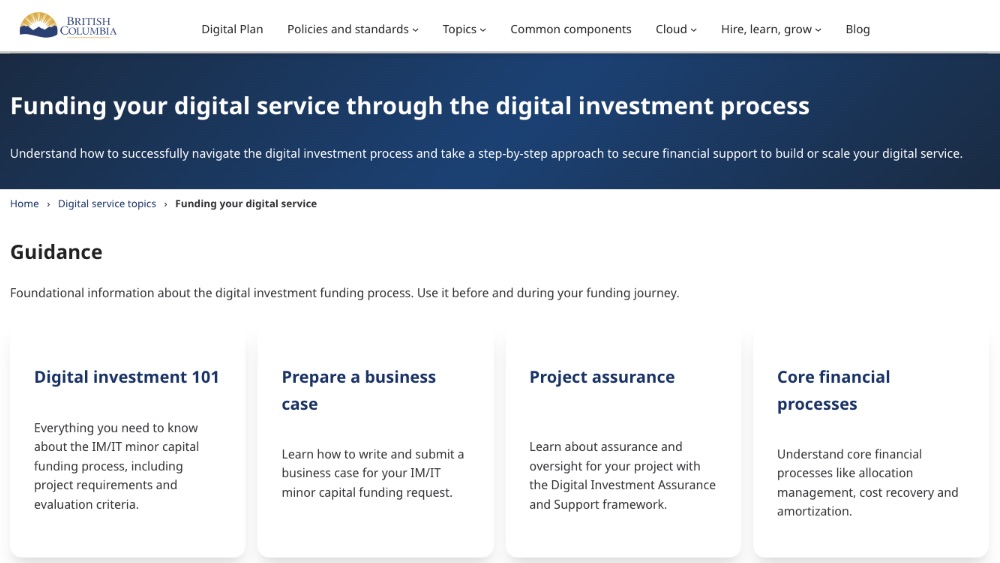
Summary website created by the British Columbia Digital Office about successfully navigating the digital investment process and take a step-by-step approach to secure financial support to build or scale your digital service.
The Long Beach Tree Map shows trees throughout the Long Beach region which centralizes, organizes, and visualizes information regarding where and how many trees as well as their type.
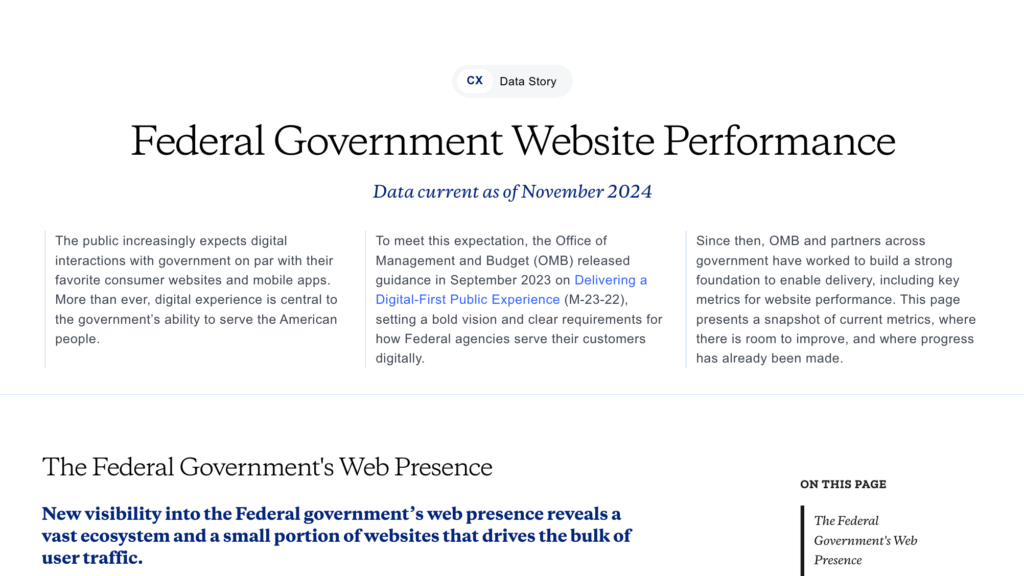
This page reports on key metrics assessing how well federal websites are performing against standards for accessibility, mobile usability, search, feedback, design consistency, analytics, and security.
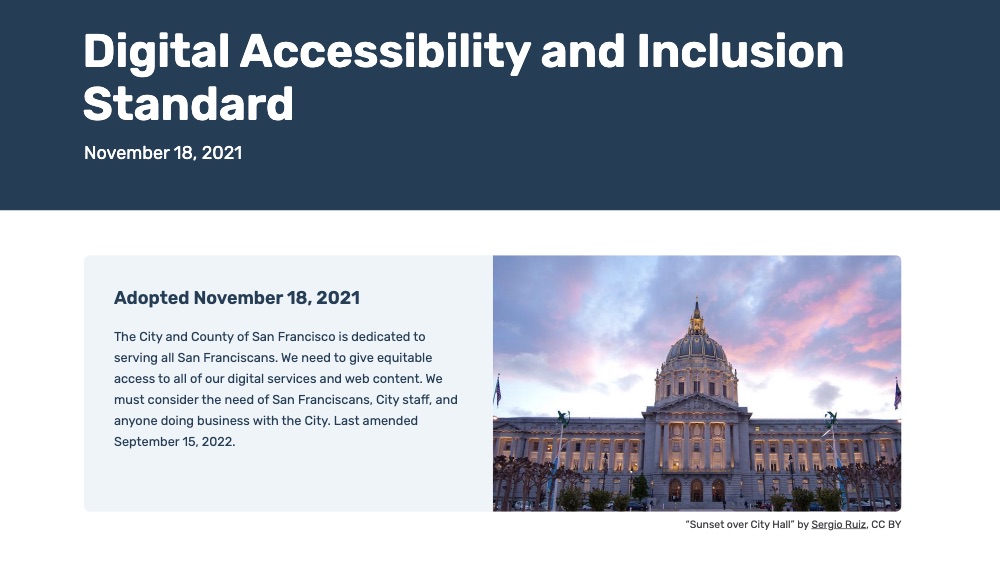
City and County of San Francisco's Digital Accessibility and Inclusion Standard which ensures equitable access to all of digital services and web content for San Franciscans.
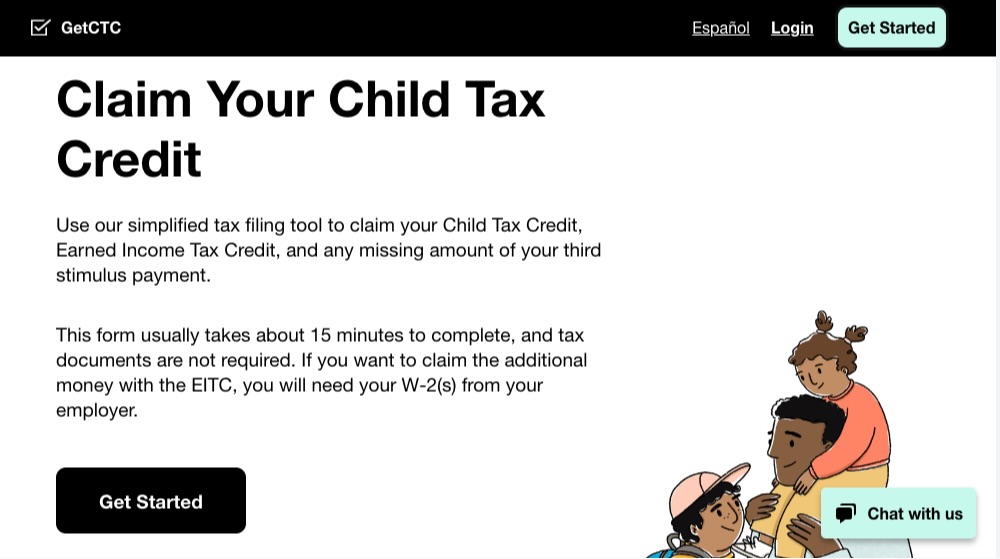
Code for America’s simplified tax filing tool that allows users to claim their Child Tax Credit and any missing amount of their third stimulus payment.