The design system provides standardized components, templates, and design tokens to help developers and designers create consistent, accessible, and user-friendly Canadian government digital services.
This design system accessibility checklist ensures that all components and design tokens meet or exceed the WCAG 2.1 AA standards, aligning fully with Government of Canada accessibility requirements.
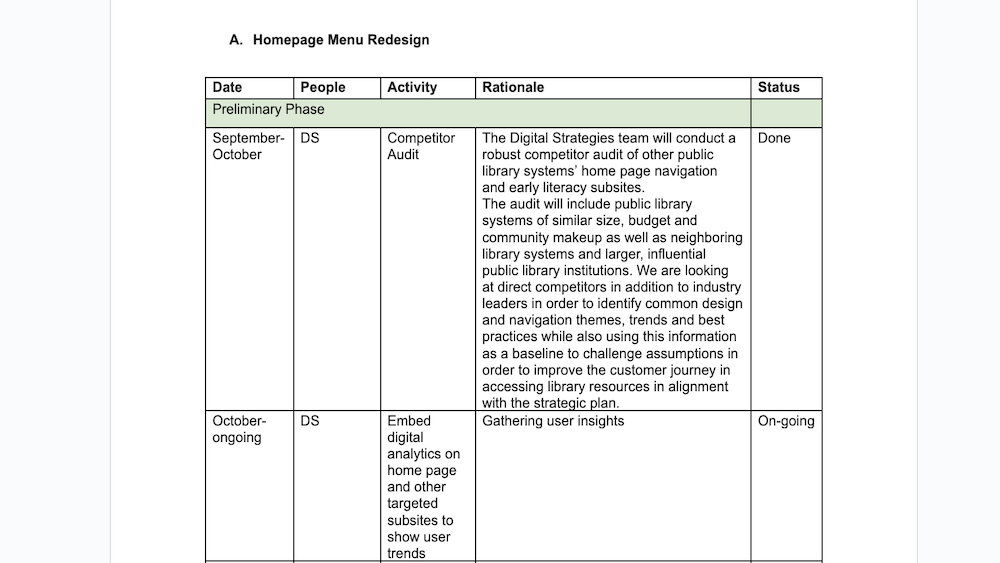
The Montgomery County Public Libraries (MCPL) website redesign plan outlines how to improve user access to resources through inclusive design and better navigation. It also shares goals of best practices in UX design with the public library community to promote digital equity. The project involves collaboration with the MCPL Digital Strategies Team and other partners, focusing on redesigning content for early literacy, teens, and children.
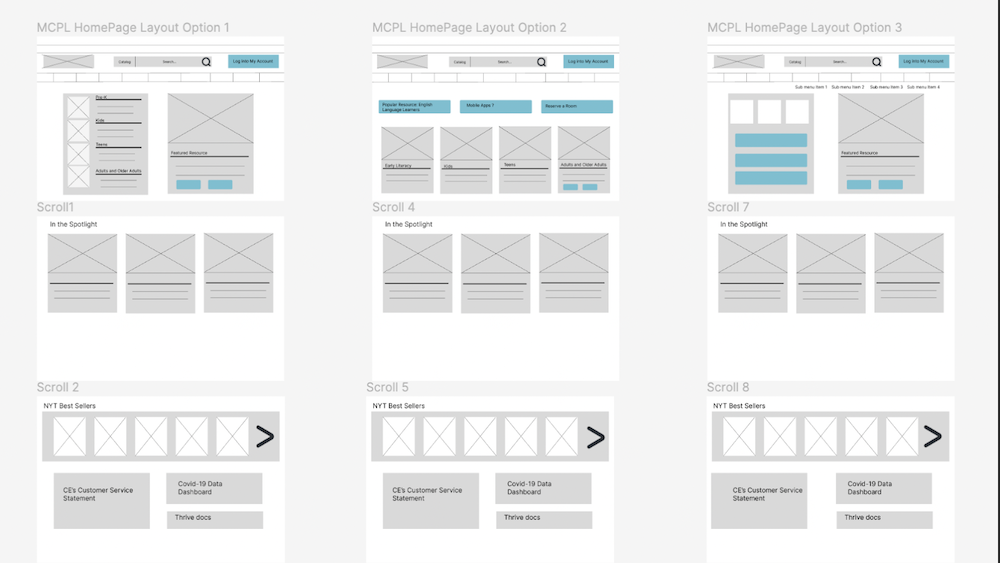
The folder for the Montgomery County Library Website Redesign contains draft materials, including design specifications of the current menu, an audit of menu items, and wireframes for the new homepage layout, providing a foundation for the site's improved structure and navigation.
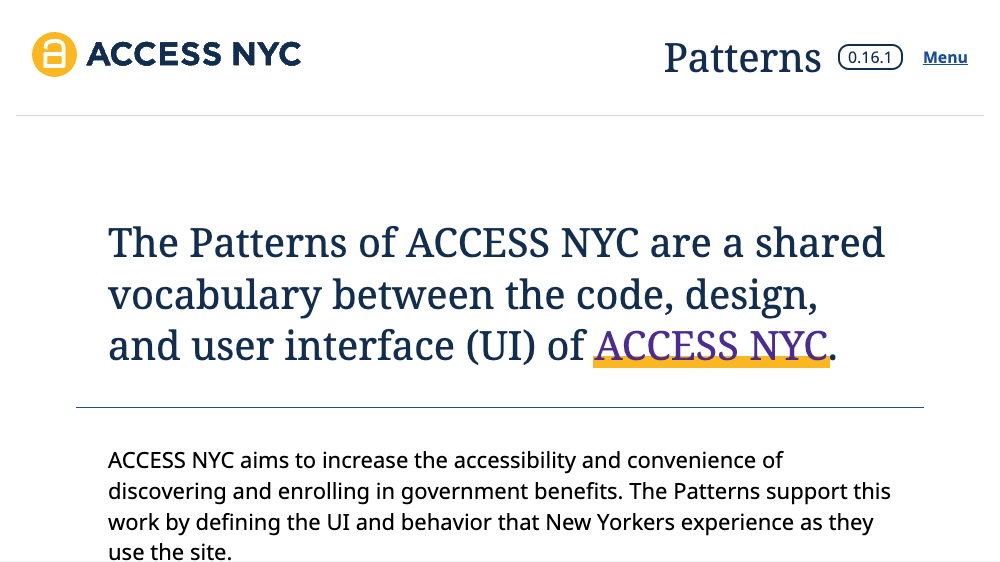
ACCESS NYC aims to increase the accessibility and convenience of discovering and enrolling in government benefits. These patterns support this work by defining the UI and behavior that New Yorkers experience as they use the site.
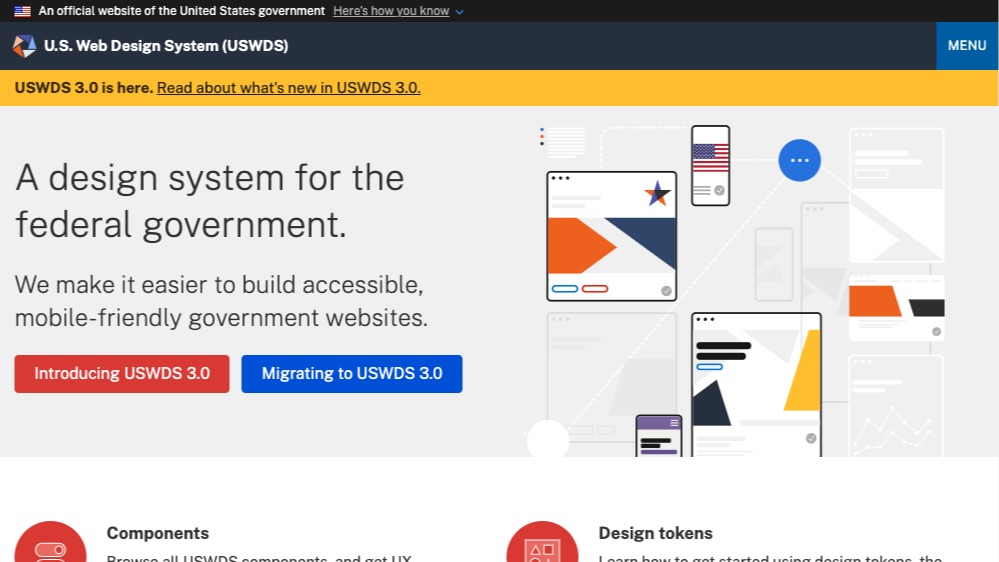
The U.S. Web Design System (USWDS) is makes it easier to build accessible, mobile-friendly government websites. USWDS is an active open source community of government engineers, content specialists, and designers. Its contributors both in and out of government support dozens of agencies and nearly 200 sites.
A web-based platform that provides design principles, accessible UI components, and guidance to help teams across the UK government create consistent, user-centered digital services.
The Figma library offers designers a comprehensive set of pre-built components and templates to create consistent and accessible digital services for the Government of Canada.
This is a monorepo managing the web components of the Government of Canada's Design System, facilitating the creation of consistent and accessible digital services.