This case study describes Nava's work with the state of Montana’s Special Supplemental Nutrition Program for Women, Infants, and Children (WIC) agency to build an API prototype, which is part of Nava's larger work inform a national API standard.
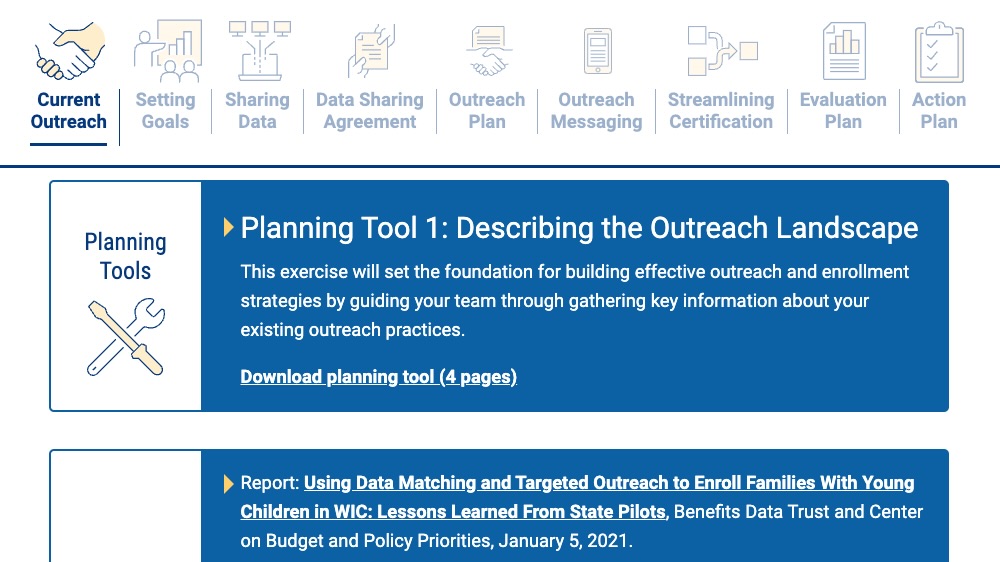
The Assessing Your WIC Certification Practices guide by the Center on Budget and Policy Priorities (CBPP) provides state and local WIC agencies with a framework to evaluate and improve their certification and enrollment processes to enhance access and participation.
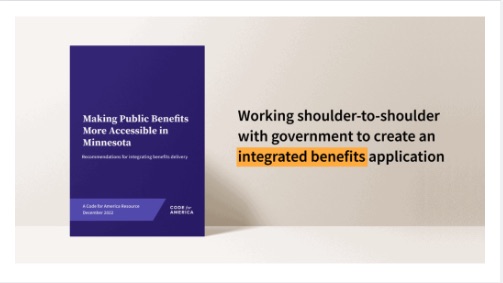
This piece highlights promising design patterns for account creation and identity proofing in public benefits applications. The publication also identifies areas where additional evidence, resources, and coordinated federal guidance may help support equitable implementations of authentication and identity proofing, enabling agencies to balance access and security.
Code for America explores the systems at play and the individuals experience of participants in WIC. By investigating overall quantitative trends in coverage, redemption, and retention rates, they use the data as a guide to build out a qualitative research plan that explains why such trends are occurring.
The ubiquity of mobile devices makes it imperative to build “mobile first” services, i.e. services built with the expectation that they will primarily be accessed on mobile devices. This article also outlines important considerations and suggestions for implementing mobile-first user interfaces.
Governor Kathy Hochul announced a new client feedback initiative in partnership with Code for America to improve New York's WIC program by implementing live online chat to gather input from participants, streamline enrollment, and increase access to healthy food for eligible families.
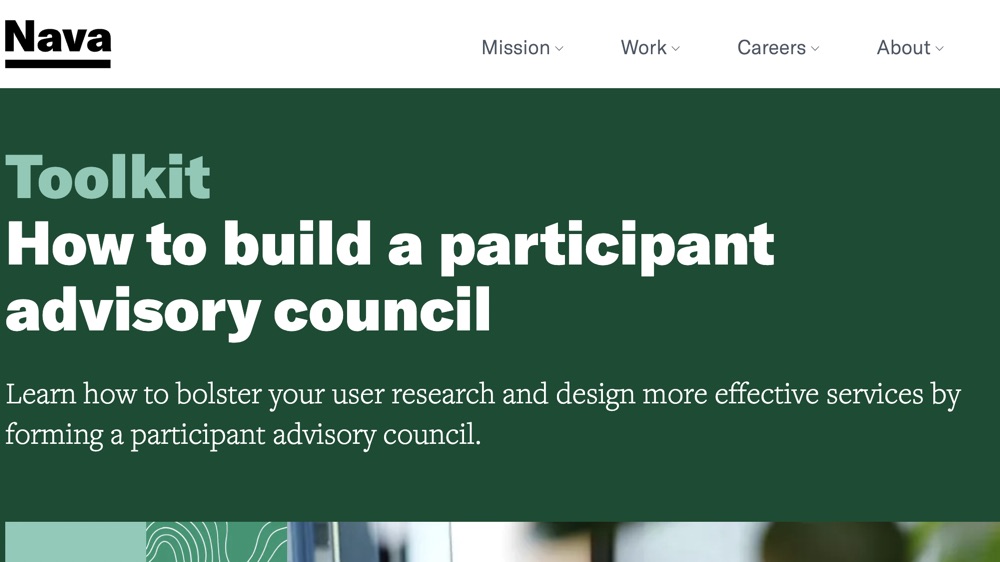
In 2022, Nava formed its first-ever PAC as part of their initiative to help Montana’s Special Supplemental Nutrition Program for Women, Infants, and Children (WIC) program design a new recertification portal. Leveraging what Nava learned from this experience, this toolkit outlines the necessary steps to form a PAC, including planning a structure for the council, recruiting participants, and other logistics.
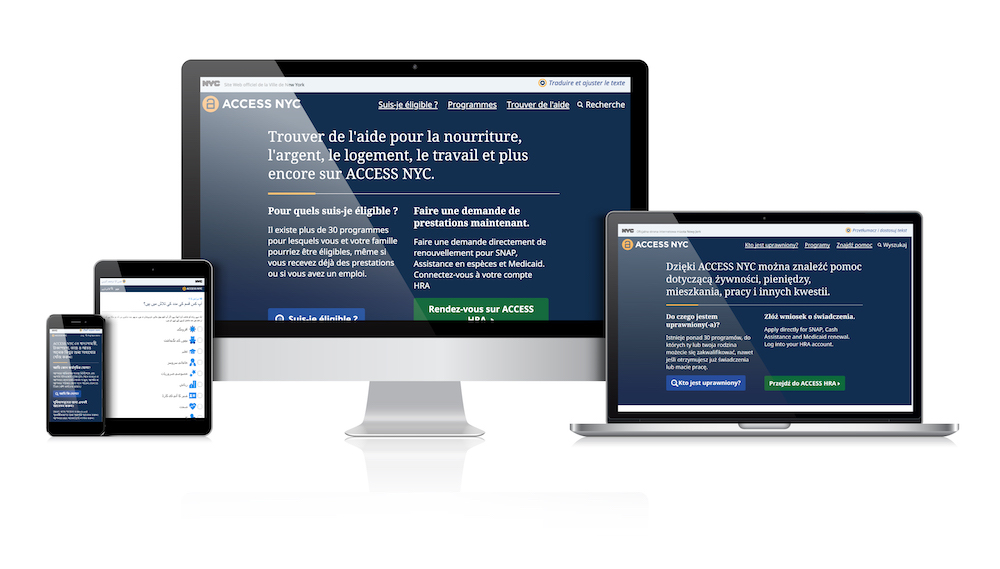
ACCESS NYC is an online public screening tool that residents can use to determine the City, State, and Federal health and human service benefit programs for which they are eligible.
This landscape analysis examines data, design, technology, and innovation-enabled approaches that make it easier for eligible people to enroll in, and receive, federally-funded social safety net benefits, with a focus on the earliest adaptations during the COVID-19 pandemic.