The NYC Benefits Screening API provides machine-readable calculations and criteria for benefits screening that power the ACCESS NYC screening questionnaire.
An interview with Wendy De La Rosa, assistant professor at the Wharton School at the University of Pennsylvania. De La Rosa discusses how the concept of “psychological ownership” can encourage people to take up benefits they are eligible for.
This resource allows policymakers, employers, benefits providers, and researchers assess benefits performance for constituents and identify opportunities in market and policy innovation to ensure equitable benefits distribution.
This report examines how the U.S. federal government can enhance the efficiency and equity of benefit delivery by simplifying eligibility rules and using a Rules as Code approach for digital systems.
The Texting Playbook provides guidance and well-researched strategies to help state agencies implement texting in support of Medicaid, SNAP, WIC, and other benefits programs. It provides an overview of how to start texting clients; the types of messages to send, including real examples; Federal Communications Commision (FCC) policy guidance; how to encourage opt-ins and collect consent; how to avoid coming across as spam; and a cost analysis of texting.
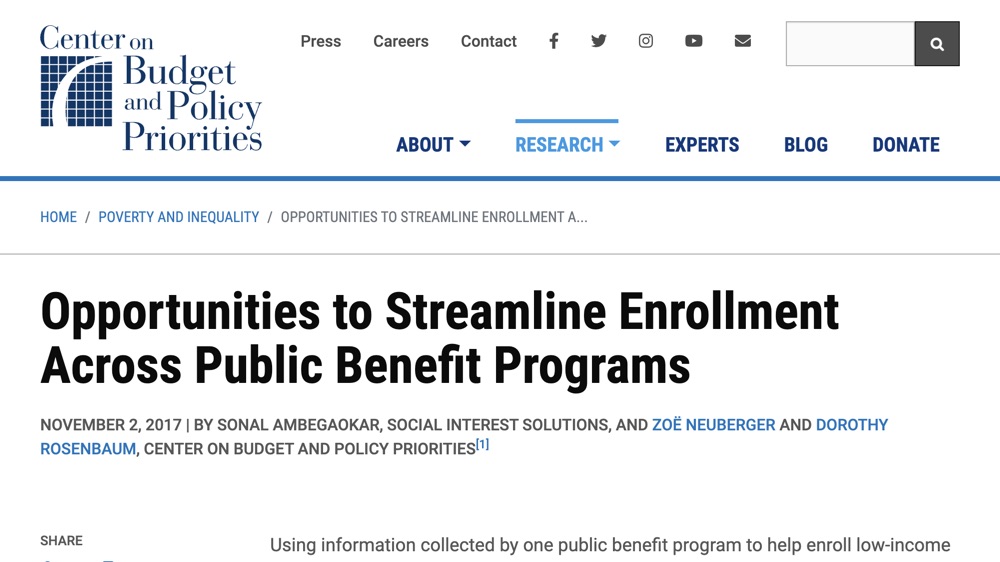
This resource provides guidance on streamlining enrollment across public benefit programs to improve efficiency, reduce administrative burdens, and enhance access for eligible individuals and families.
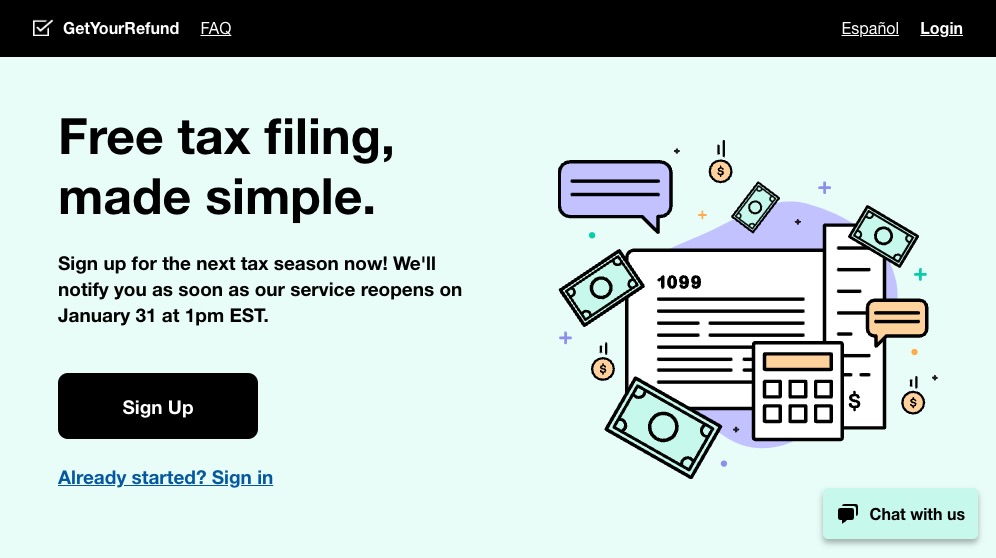
GetYourRefund.org is an online portal by Code for America that helps low-income individuals claim thousands of dollars in tax credits, even after the traditional tax deadline has passed.
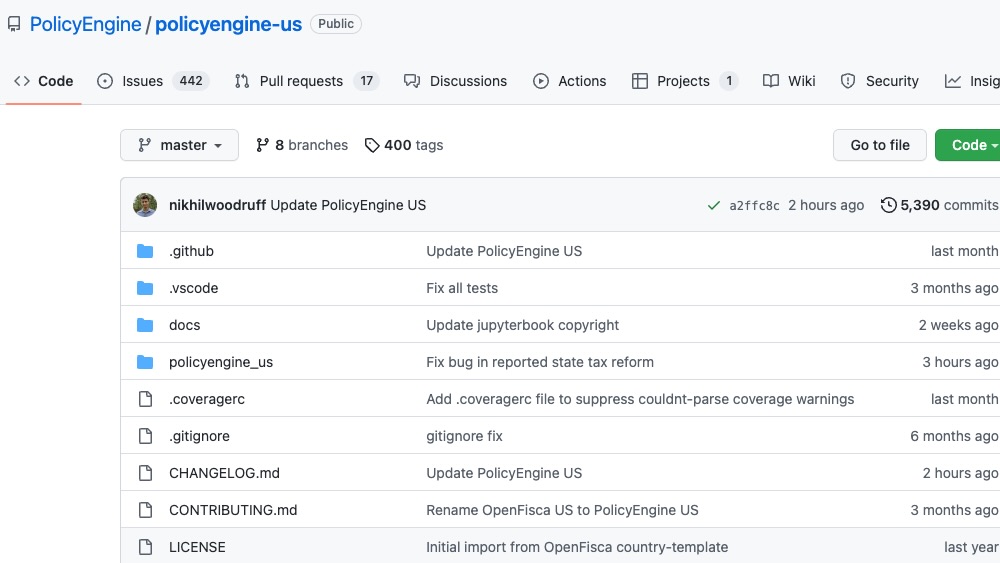
PolicyEngine US is a Python-based microsimulation model of the US tax and benefit system. It models federal individual income taxes (including credits), major benefit programs, and state income taxes (currently in six states). The PolicyEngine US package can be used as a Python package, via the PolicyEngine API, or via the policyengine.org web app.
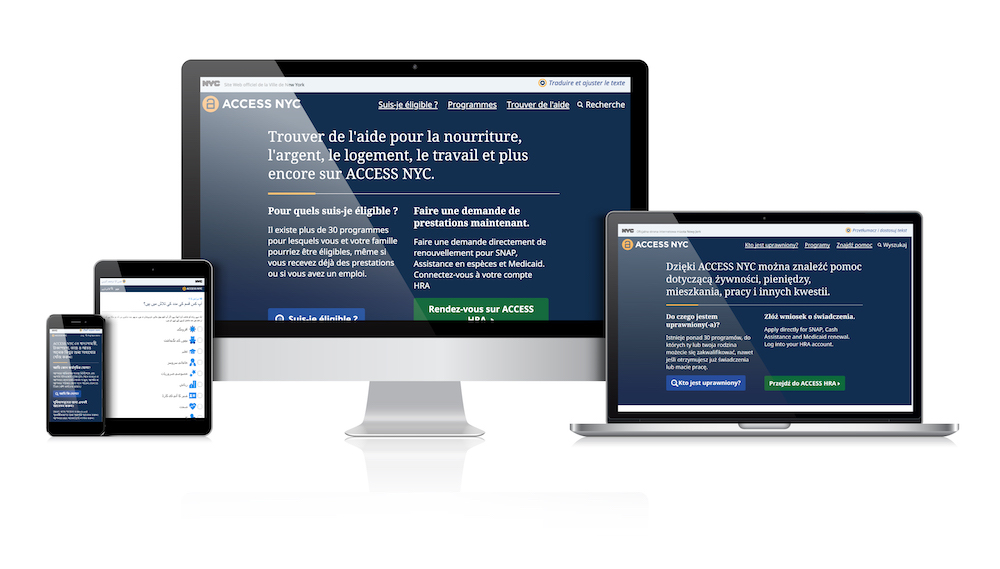
ACCESS NYC is an online public screening tool that residents can use to determine the City, State, and Federal health and human service benefit programs for which they are eligible.
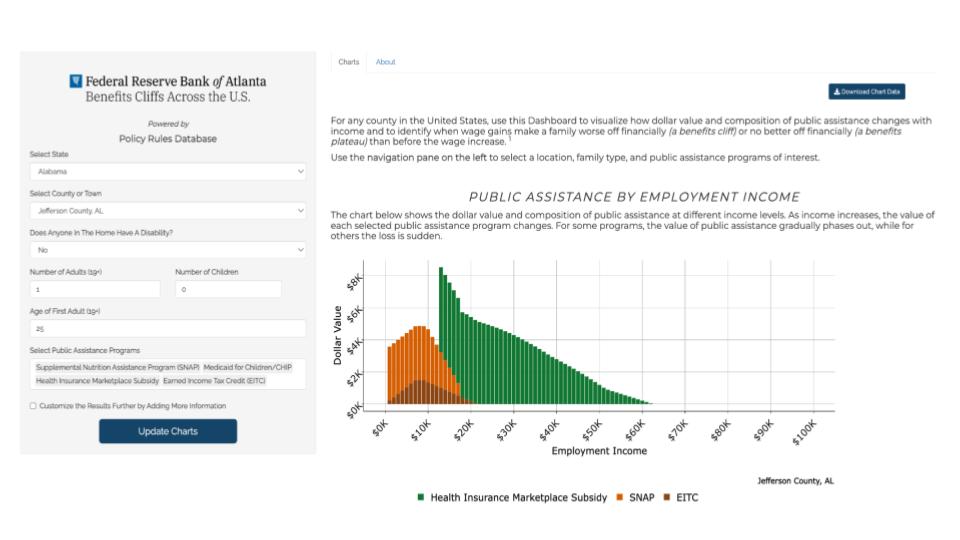
The Policy Rules Database (PRD), developed by the Federal Reserve Bank of Atlanta and the National Center for Children in Poverty, consolidates complex rules for major U.S. federal and state benefit programs and tax policies into a standardized, easy-to-use format. This database allows researchers to model public assistance impacts, simulate policy changes, and analyze benefits cliffs across various household scenarios using common rules and language across different programming platforms.
This Urban Institute report examines how public investments in children's health, education, and welfare yield significant short- and long-term benefits for both individuals and society.