The FileYourStateTaxes pilot successfully integrated state tax filing with the IRS Direct File program, improving taxpayer experience and reducing filing burdens.
This report describes how the government can use widespread social media feedback and begin to build long-term measures to center people’s experience as an important component of policy design
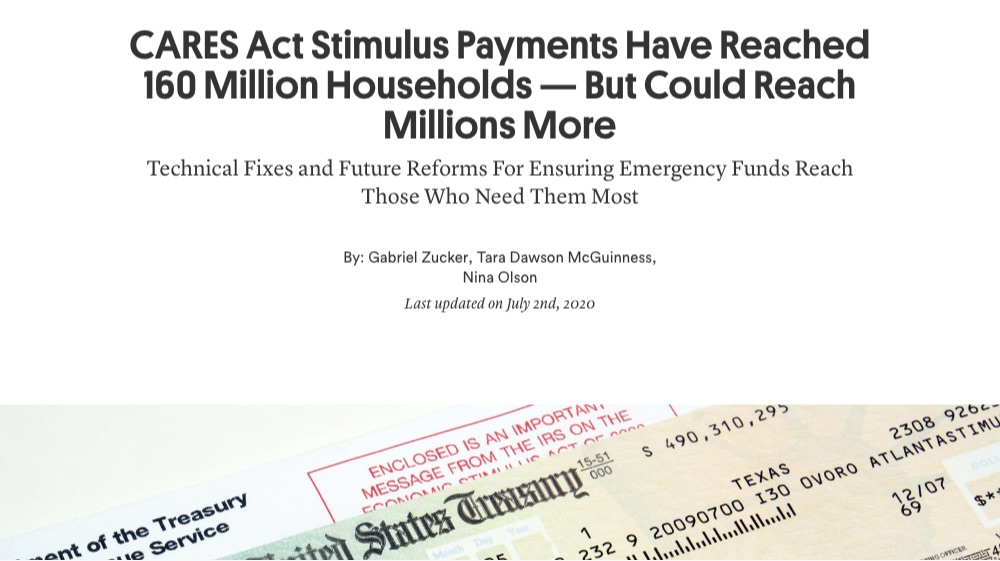
The CARES Act Stimulus Payments Report by New America analyzes the implementation and impact of the Economic Impact Payments (stimulus checks) distributed during the COVID-19 pandemic, highlighting accessibility challenges and policy recommendations for future direct payments.
In this panel conversation, presenters at the Better Identity Coalition’s 2022 policy forum “Identity, Authentication, and the Road Ahead” discuss the challenges of identity verification and access in pandemic unemployment benefits.
In this video, Susan S. Gibson, chair of the Pandemic Response Accountability Committee's (PRAC) Identity Fraud and Redress Working Group, speaks with Jeremy Grant of the Better Identity Coalition, about the challenges of identity fraud for benefits program during the COVID-19 pandemic.
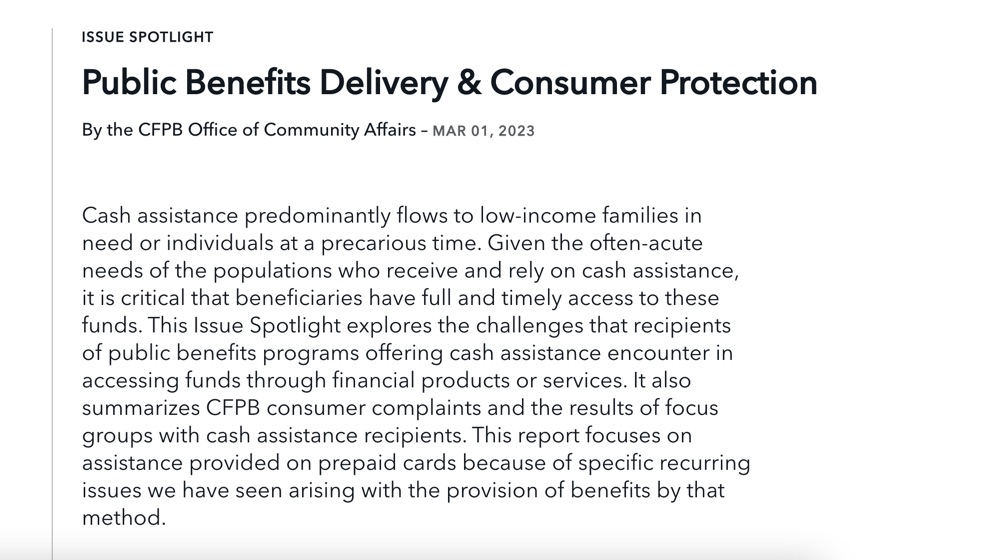
This Issue Spotlight explores the challenges that recipients of public benefits programs offering cash assistance encounter in accessing funds through financial products or services, with a specific focus on assistance provided on prepaid cards.
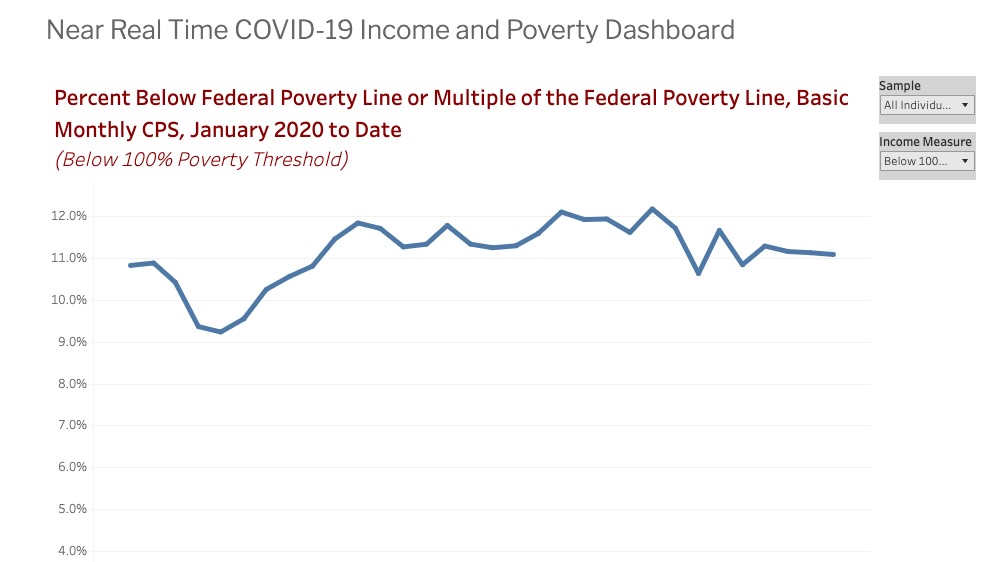
The $600 cash payments provided by the CARES act prevented joblessness from turning into actual income loss for millions of families. It also gave Americans breathing room to wait for better jobs, rather than settling for bad ones out of desperation.
This article explores innovative strategies to improve access to public benefits by reducing administrative barriers and leveraging technology for a more user-friendly experience.
This guide consolidates learning and spotlights principles, insights, and emerging practices to guide municipal leaders and public-private partnerships interested in designing basic income programs that are ethical, equitable, rigorous, informative, and consequential for local, state and national policymaking.
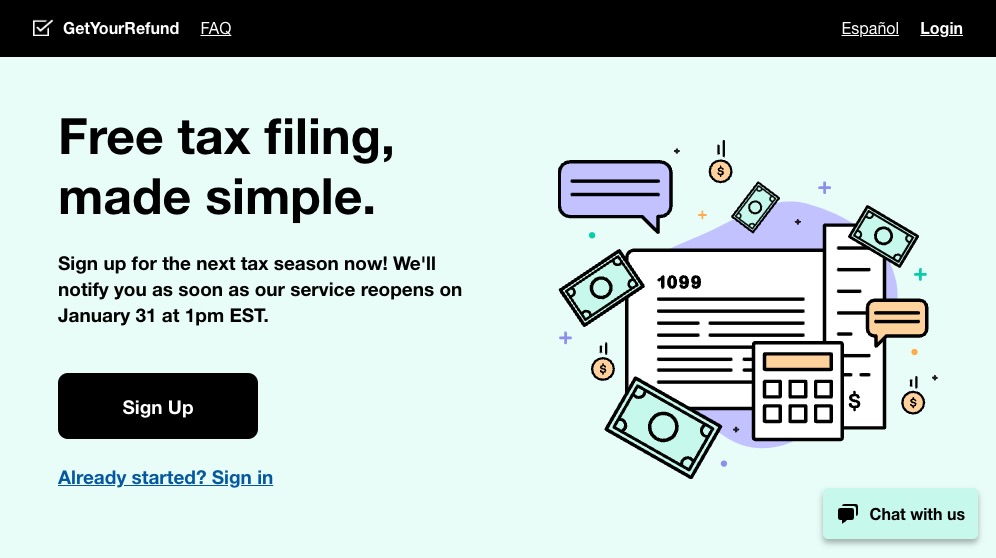
GetYourRefund.org is an online portal by Code for America that helps low-income individuals claim thousands of dollars in tax credits, even after the traditional tax deadline has passed.