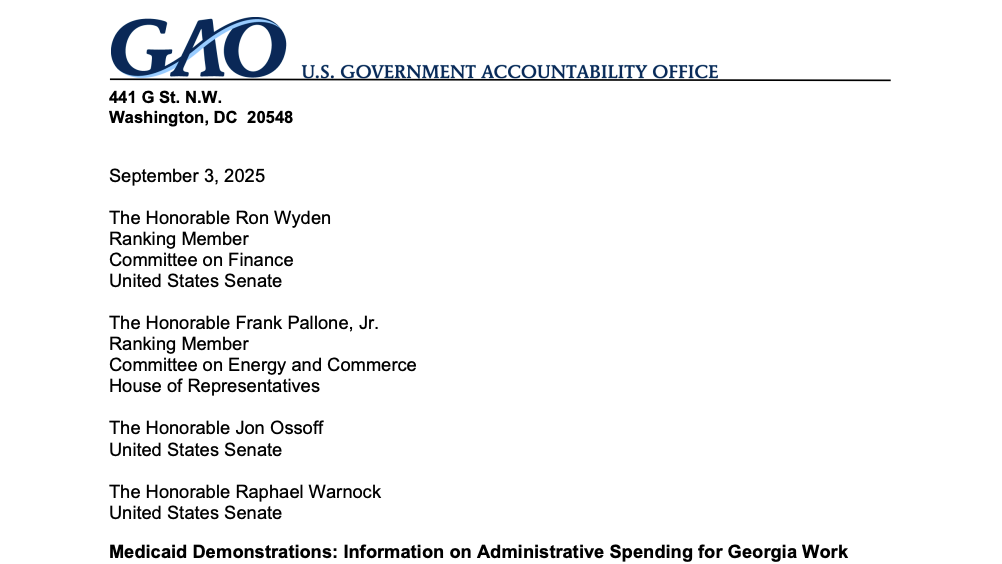
This report examines Georgia’s Medicaid demonstration testing work requirements—the only such active program in the nation—and provides detailed findings on administrative costs, implementation challenges, and federal oversight weaknesses.
The article examines the effects of Arkansas’s Medicaid work requirements, finding substantial coverage losses and no significant increase in employment, compounded by widespread confusion among beneficiaries about the policy.
A technical guide that outlines policy and system design strategies states can use to reduce procedural terminations when implementing Medicaid work reporting requirements.
This report provides human-centered design templates and implementation guidance to help states integrate Medicaid work requirement questions into benefits applications while minimizing administrative burden and coverage loss.
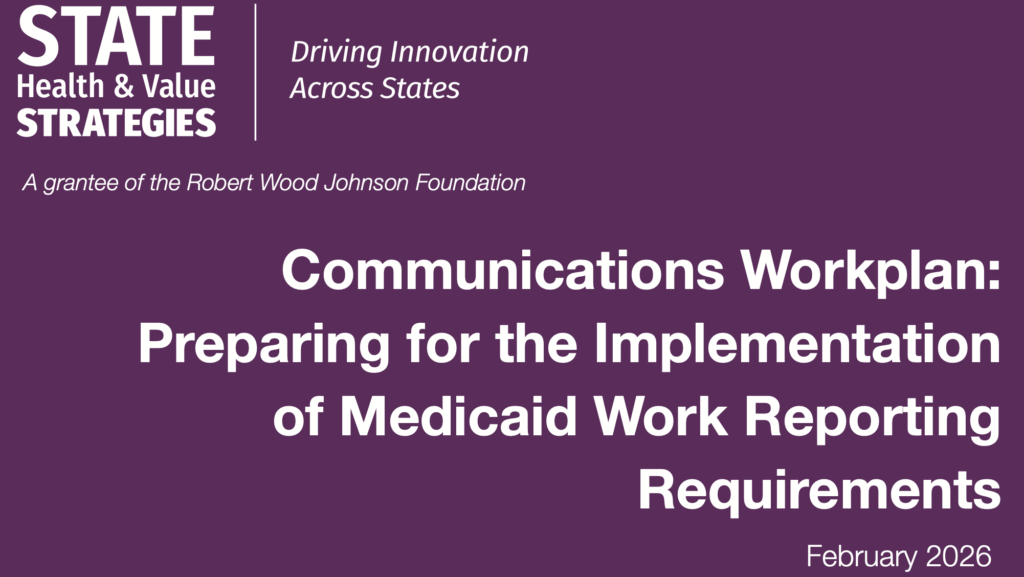
This communications workplan provides a strategic framework for state Medicaid agencies to manage outreach and engagement ahead of the January 2027 implementation of Medicaid work reporting requirements.
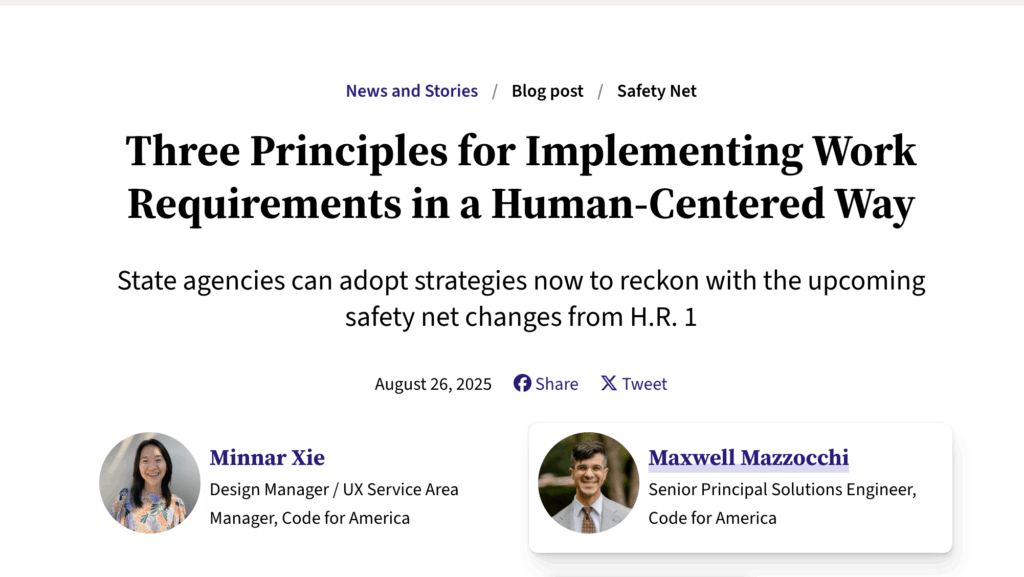
This article offers three human‑centered strategies to help state agencies implement expanded work reporting requirements in SNAP and Medicaid under H.R. 1 with minimal burden on clients and staff.
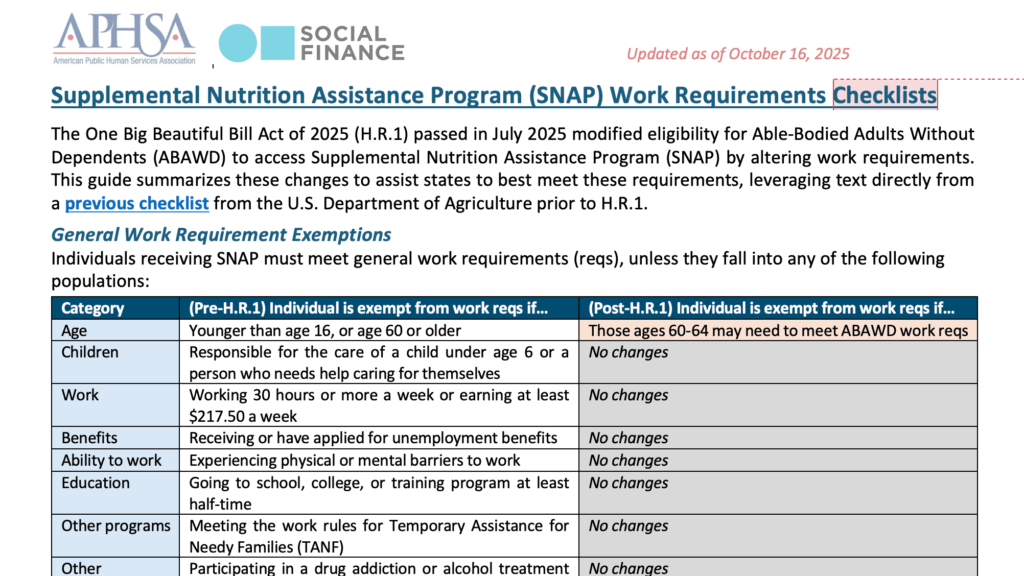
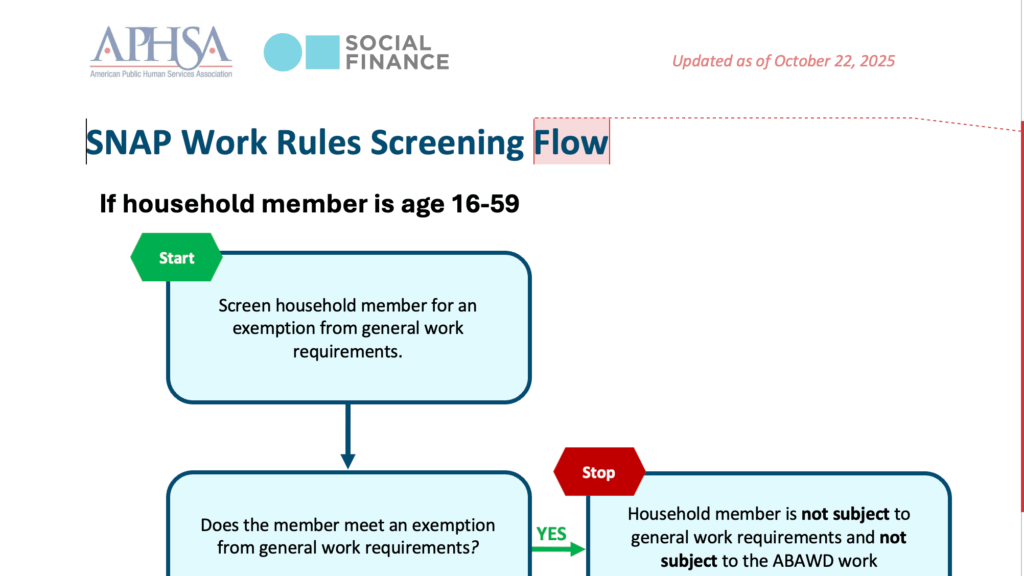
This document is a caseworker-facing flowchart for use in screening SNAP applicants and participants to determine if they are subject to work requirements.
American Public Human Services Association (APHSA)
This research article explores how framing income eligibility guidelines in either dollar amounts or as a percentage of the Federal Poverty Line (FPL) affects public attitudes toward program access and administrative burdens in Medicaid and SNAP.
This paper evaluates the technical vendor landscape as states prepare to implement Medicaid work requirements mandated by the H.R. 1 reconciliation law.