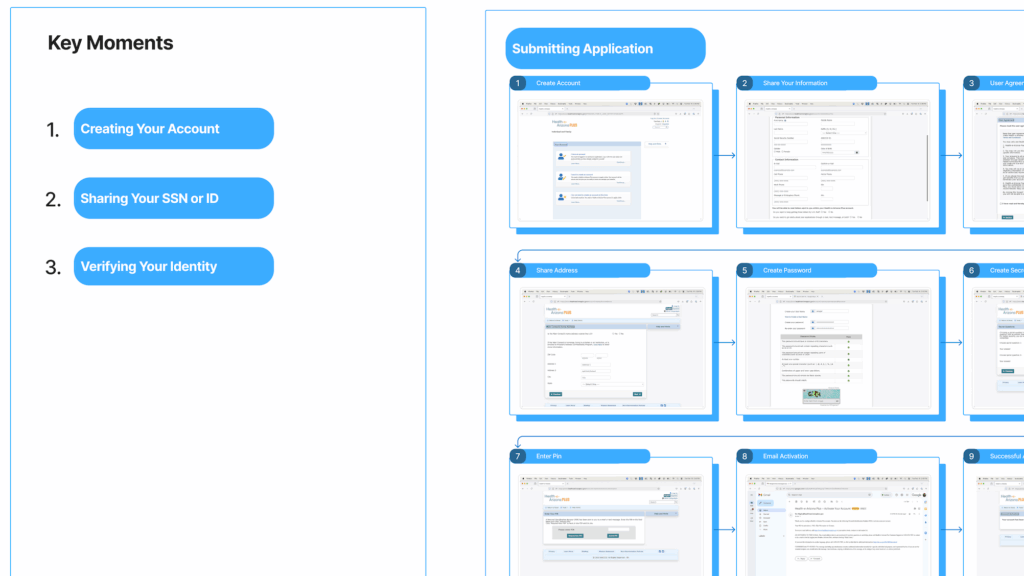
Created for use in the Digital Doorways research project, this design stimuli shows the steps of submitting an application, sharing personal information, and verifying identity for Arizona's integrated online application that includes SNAP and Medicaid.
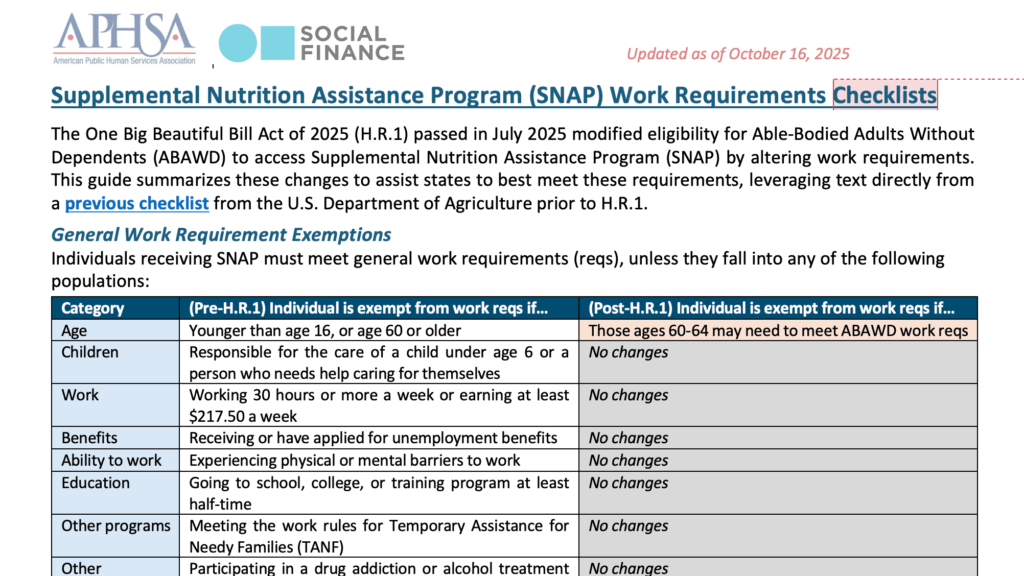
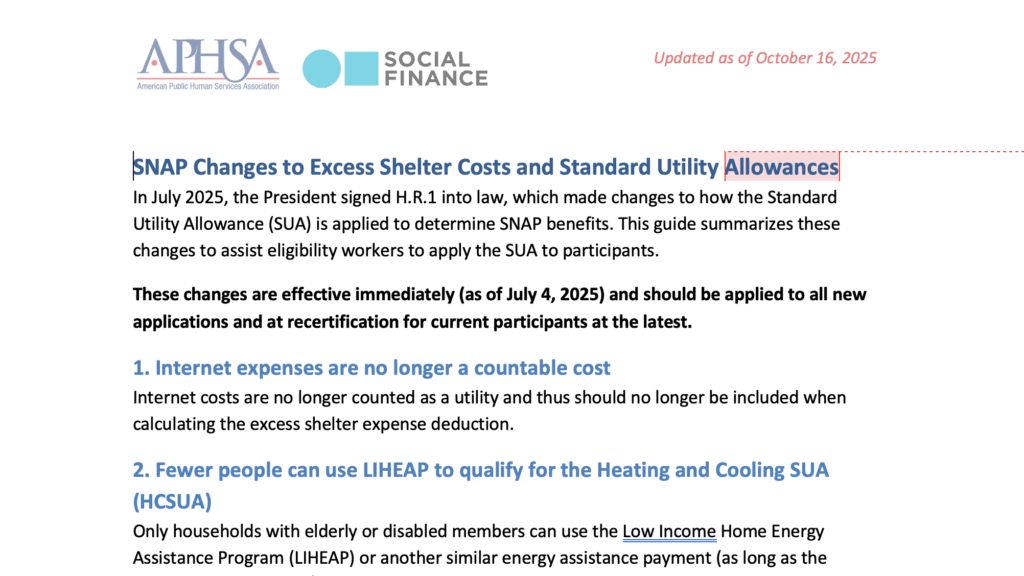
This report summarizes insights from interviews with seven states on how they are adapting integrated eligibility and enrollment (IEE) systems in response to sweeping federal changes to SNAP and Medicaid under H.R. 1.
Technology that automates different processes can save time for caseworkers and constituents, but it can also significantly reduce the transparency of government operations. This paper describes how Pennsylvania advocates addressed the low rate of automated Medicaid renewals.
The GAO placed the UI system on its High Risk List in June 2022, leading the DOL to develop a transformation plan detailing activities and strategies for building a resilient UI system capable of responding effectively to future economic challenges.
Our work with Pennsylvania to implement user experience and user interface changes shows that innovation can be easier to implement than it might seem.
Chapin Hall collaborated with national policy experts, practitioners, and young adults with lived experience of homelessness to create a policy toolkit where tax, public benefits, and educational aid implications for young people participating in Direct Cash Transfer (DCT) programs are laid out in one place.
Code for America describes its work building the P-EBT online application and the consulting it provided to 10 states regarding implementing the program in a quick, effective, and human-centered way. Despite herculean efforts among human services and education agencies to get P-EBT off the ground, there were a few key technological, operational, and logistical barriers that consistently got in the way and hampered a smooth rollout of the program across the country.