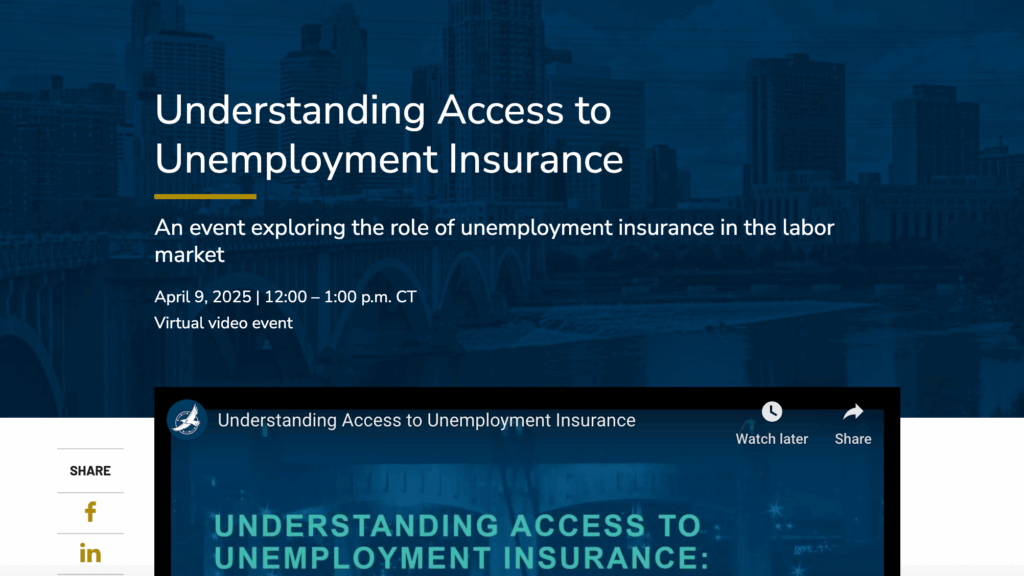
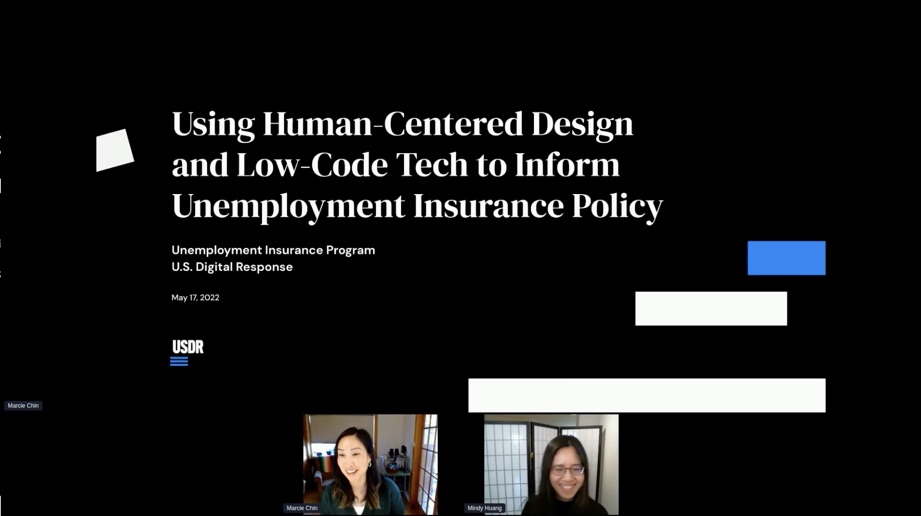
During this event, researchers addressed questions with findings from data collected from state UI agencies across the country and focus groups with women who have experienced unemployment.
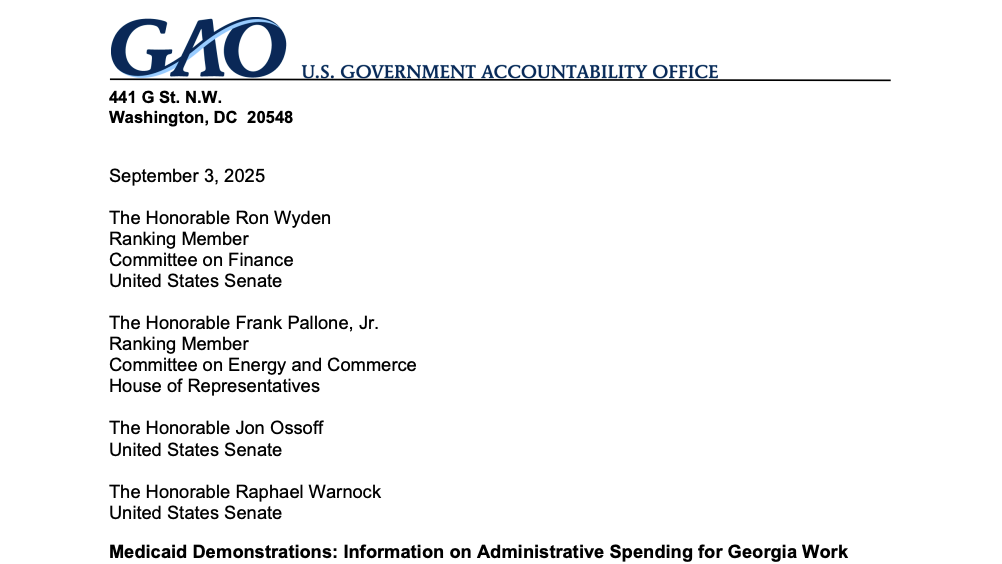
This report examines Georgia’s Medicaid demonstration testing work requirements—the only such active program in the nation—and provides detailed findings on administrative costs, implementation challenges, and federal oversight weaknesses.
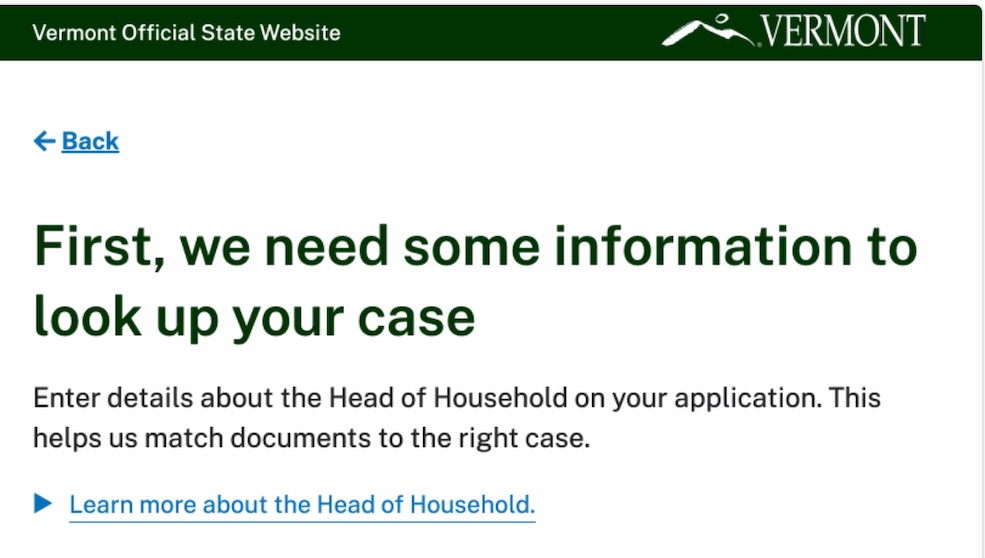
Nava built flexible and reusable software and design components to make it easier for Vermonters to access their benefits. These components support Vermont’s long-term vision of integrating eligibility and enrollment processes for all of the state’s healthcare and financial benefit programs.
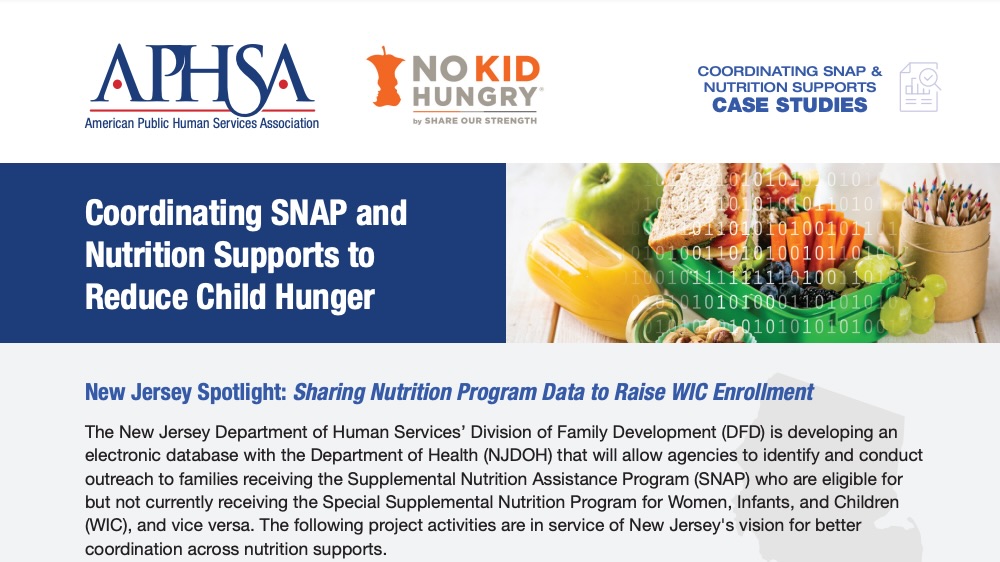
This report outlines how the New Jersey Department of Human Services’ Division of Family Development (DFD) and the Department of Health (NJDOH) are increasing SNAP & WIC co-enrollment through data sharing, outreach, and systems integration.
American Public Human Services Association (APHSA)
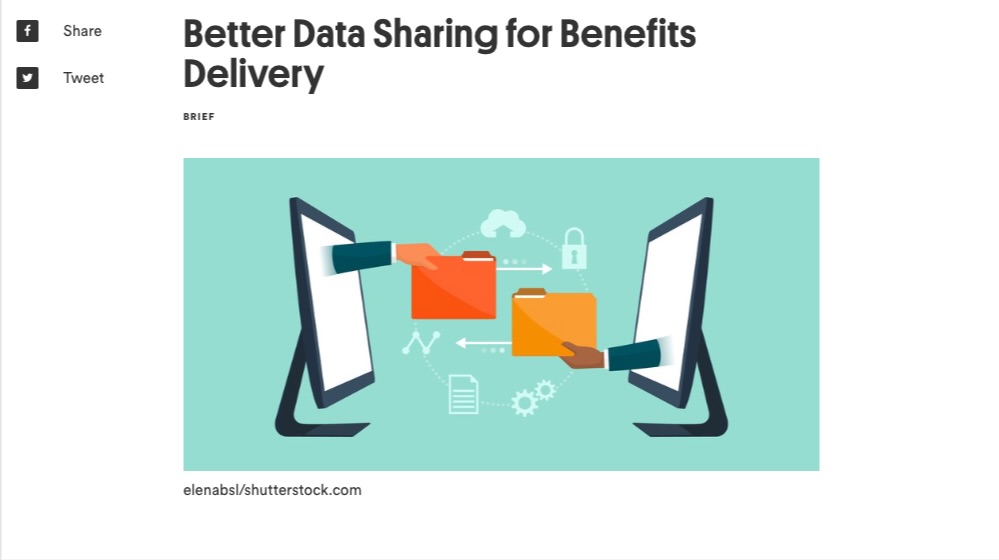
This policy brief outlines how improved data sharing between federal agencies, state and local governments, and institutions can leverage existing data from other benefits programs to streamline eligibility processes and benefits uptake for the Affordable Connectivity Program (ACP) and other programs.
With the extension and expansion of P-EBT during COVID and the Food and Nutrition Service releasing new guidance, states have an opportunity to effectively deliver essential resources to children and families. Code for America built this toolkit of resources to share recommendations and promising practices around the implementation of P-EBT and to support state agencies and partners tasked with the development of P-EBT programs.
This Urban Institute report explores the impact of benefit cliffs, plateaus, and trade-offs on families receiving public assistance, examining how changes in earnings affect access to essential benefits like SNAP, Medicaid, and housing subsidies.
U.S. Digital Response partnered with the Department of Labor to design a human-centered, low-code solution for efficient retroactive unemployment benefit determination.
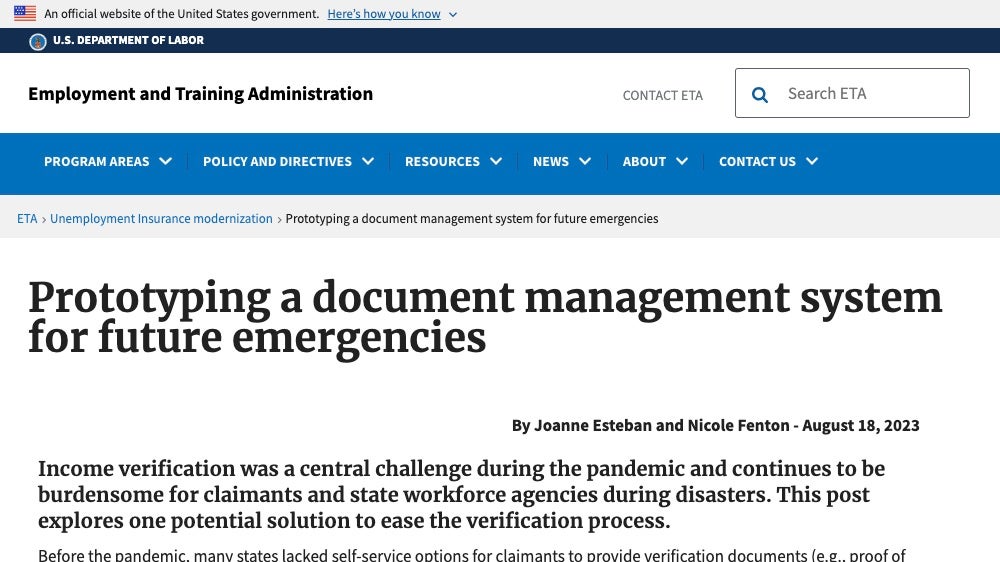
Research from the Department of Labor shows that document management systems reduce barriers for claimants and help states be more efficient. With additional improvements and investment, these systems can be even more effective in serving the public and reducing backlogs in times of crisis.