The examples in this guide describe how peer-to-peer training and updated interview scripts can help connect residents to the benefits they are eligible for.
This resource describes how different agencies have updated their systems to increase online and mobile access to benefits information and applications, including using text messages to share benefits information with residents.
This page includes data and observations about authentication and identity proofing steps specifically for online applications that include child care applications.
This resource provides examples and practical guides that explain how to use existing regulations and data sharing agreements to transfer client information or eligibility status between benefit programs.
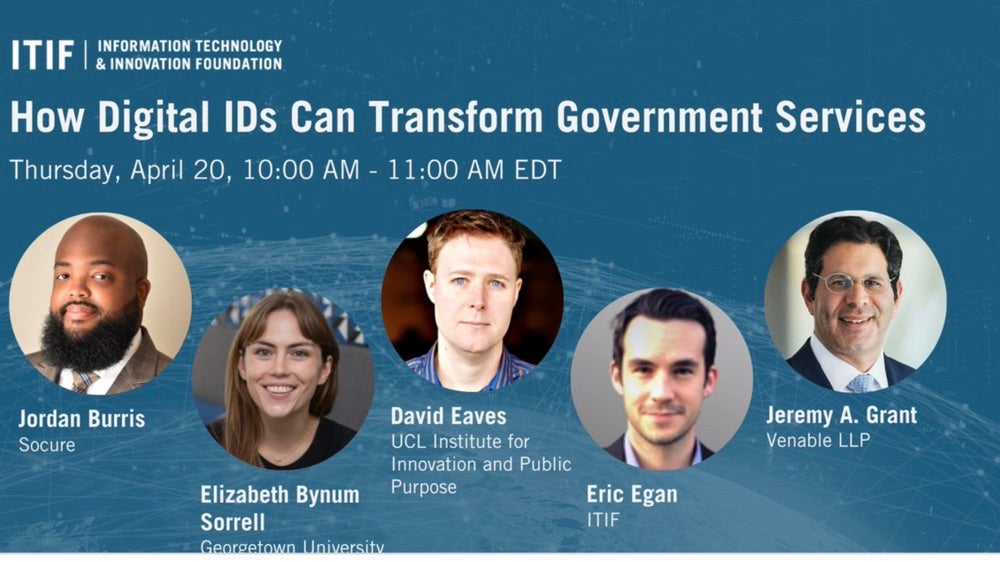
Governments around the world are digitizing how they deliver services to citizens. And yet, without a secure and reliable way for people to prove their identity online, digital transformation efforts face a considerable barrier. This panel discussion, hosted by the Information Technology & Innovation Foundation (ITIF), focuses on the potential benefits and concerns surrounding digital ID and identity proofing technology as well as the legal and technical barriers for use.
Information Technology & Innovation Foundation (ITIF)
This resource outlines strategies for cross-enrollment outreach, which can break down silos between programs and reach applicants who may be eligible for under-enrolled benefits programs.
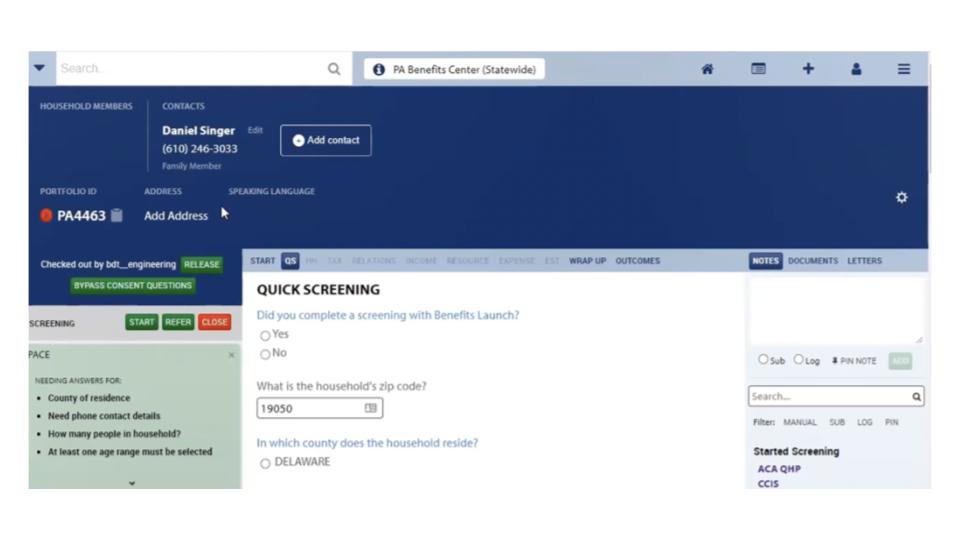
Benefits Data Trust (BDT) is a nonprofit that connects people to public benefits through a streamlined, phone-based application system called Benefits Launch, which reduces redundant questions and speeds up the process for multiple programs. BDT's approach, supported by a custom-built rules engine, has facilitated over 800,000 benefit enrollments, helping secure over $9 billion for eligible households across seven states.
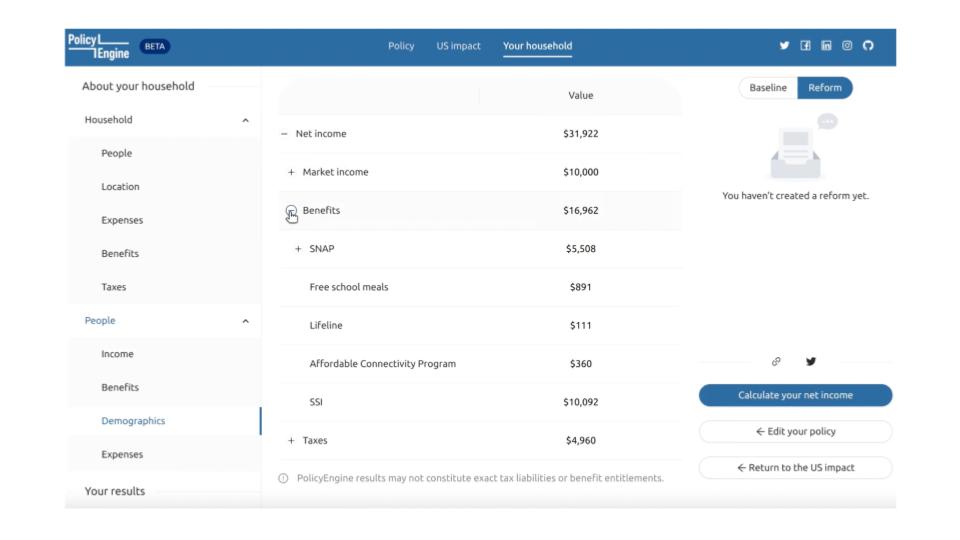
PolicyEngine is a nonprofit that provides a free, open-source web app enabling users in the US and UK to estimate taxes and benefits at the household level, while also simulating the effects of policy changes. By combining tax and benefits data, PolicyEngine helps individuals and policymakers better understand the impacts of existing policies and proposed reforms, using microsimulation models built from legislation and enhanced survey data.
In this updated primer, the DBN introduces the concept of digital identity, and provides brief snapshots of digital identity-related developments internationally and in the U.S.