The Digital Service Network (DSN) spoke with staff from ODX — Megan Evans Seeds, chief digital officer, and Lisa Yang, digital accessibility coordinator — to discuss their efforts to help center digital accessibility across Hennepin County government.
This article examines the concept of “viral cash” and suggests that the future growth of basic income programs will depend on advocacy networks rather than traditional policy diffusion across jurisdictions.
The report examines how AI deployment across state and local public administration such as chatbots, voice transcription, content summarization, and eligibility automation are reshaping government work.
This toolkit is designed to support government agencies in evaluating the effectiveness of their public participation and community engagement (PPCE) activities.
This framework provides a structured approach for ensuring responsible and transparent use of AI systems across government, emphasizing governance, data integrity, performance evaluation, and continuous monitoring.
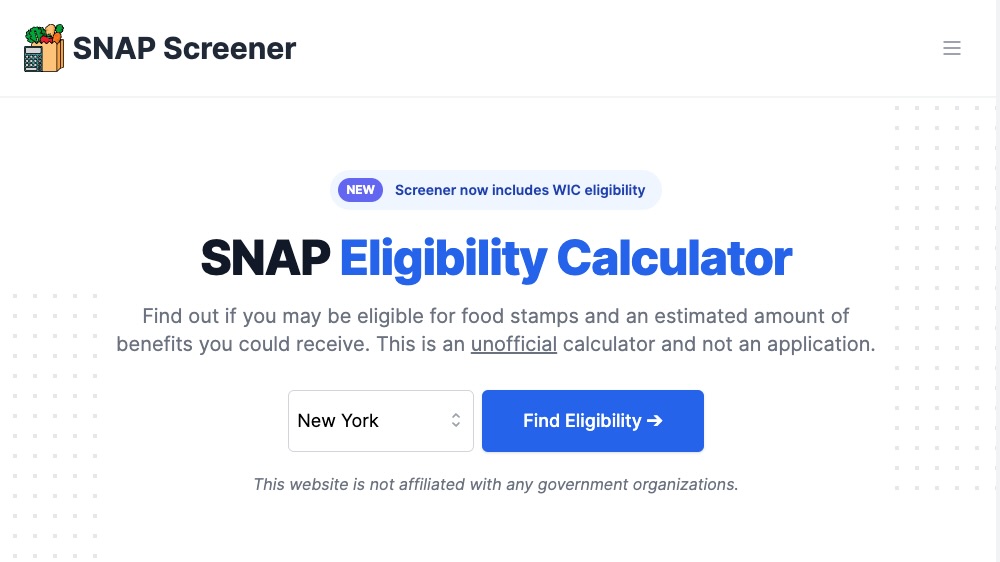
The Technology Transformation Service at GSA recently created a new Public Benefits Studio to focus on fostering a more cohesive, coordinated experience for the public, across programs.
Executed on March 28, 2024, this memorandum establishes new agency requirements and guidance for AI governance, innovation, and risk management, including through specific minimum risk management practices for uses of AI that impact the rights and safety of the public.