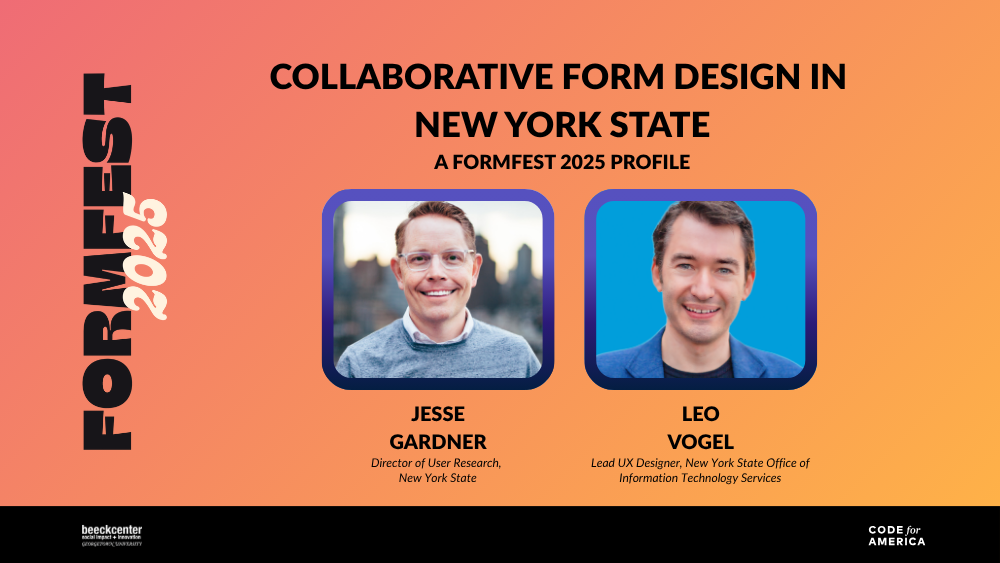
A FormFest profile highlighting how New York State’s design and technology teams are reimagining form creation through collaborative, human-centered design methods that simplify processes and expand participation.
A case study describing how Massachusetts is building long-term public-sector capacity to deliver people-centered digital services by strengthening in-house expertise, shared tools, and agency-embedded support.
A blog post outlining key strategies states can use to lower SNAP payment error rates, a priority given new fiscal penalties tied to error rates under recent federal law.
A video tour by the NYS Design System team to help you learn how to quickly build accessible, mobile-friendly, user-friendly digital services with the Design System.
A practical guide for advocates that explains how automated benefit notices are generated, where common notice failures originate, and how to push for effective fixes.
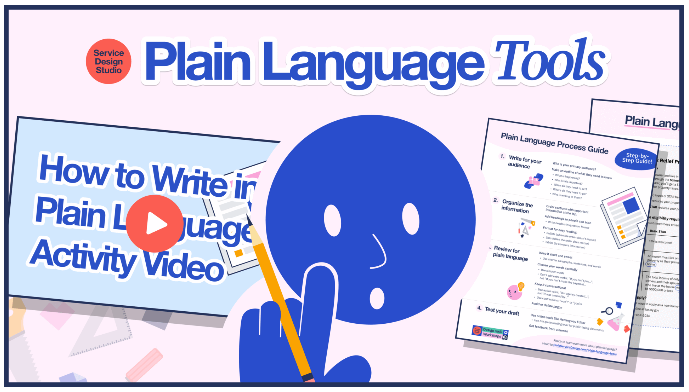
A practical toolkit that provides plain-language writing resources, checklists, and guidance to help government and public-service teams write content that is clear, accessible, and centered on community needs.
Explains that government service forms should be designed to reduce anxiety and build trust—especially for marginalized people—by minimizing requests for highly sensitive personal information or explaining clearly why and how such data will be used, making optional fields and alternatives available, and providing context and reassurance throughout the application process.
This toolkit provides guidance to help states implement Medicaid Advisory Committees (MACs) and Beneficiary Advisory Councils (BACs) in accordance with new federal requirements designed to strengthen beneficiary input in Medicaid program oversight.
A participant handbook that explains how a child care wage boost pilot works, including eligibility, enrollment, payments, privacy protections, and ongoing responsibilities for facilities and workers.
King County Department of Community and Human Services
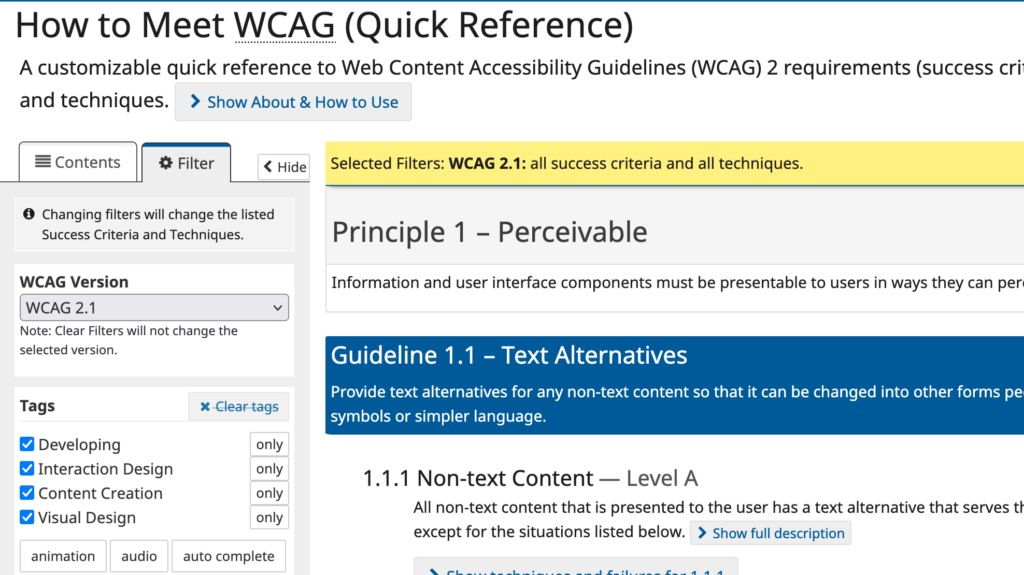
An interactive tool from the W3C Web Accessibility Initiative that provides a customizable, filterable view of WCAG 2.x success criteria and implementation techniques to help teams design and evaluate accessible digital content.
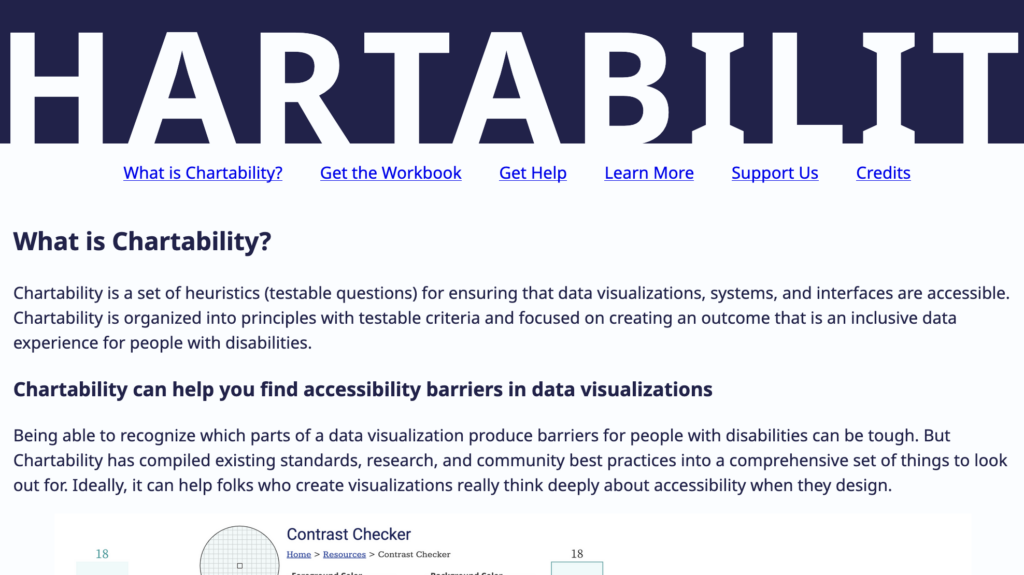
A practical accessibility framework that provides testable heuristics to help designers and developers evaluate and improve the inclusivity of data visualizations and data-driven interfaces.