Best practices for procuring and developing accessible tools that utilize artificial intelligence (AI) and how to ensure that they are in compliance with the Web Content Accessibility Guidelines (WCAG) 2.1 Level A and Level AA.
The Commonwealth of Massachusetts Executive Office of Technology Services and Security (EOTSS)
This introductory guide explains the core concepts of digital identity and how they apply to public benefits programs. This guide is the first part of a suite of voluntary resources from the BalanceID Project: Enabling Secure Access and Managing Risk in SNAP and Medicaid.
This action plan outlines Oregon’s strategic approach to adopting AI in state government, emphasizing ethical use, privacy, transparency, and workforce readiness.
This paper examines the challenges U.S. state and local digital service teams face in retaining talent and offers strategies to improve retention and team stability.
This fact sheet outlines the key principles for designing an effective Child Tax Credit that reduces child poverty, supports working families, promotes racial and economic equity, and delivers long-term benefits for children and the economy.
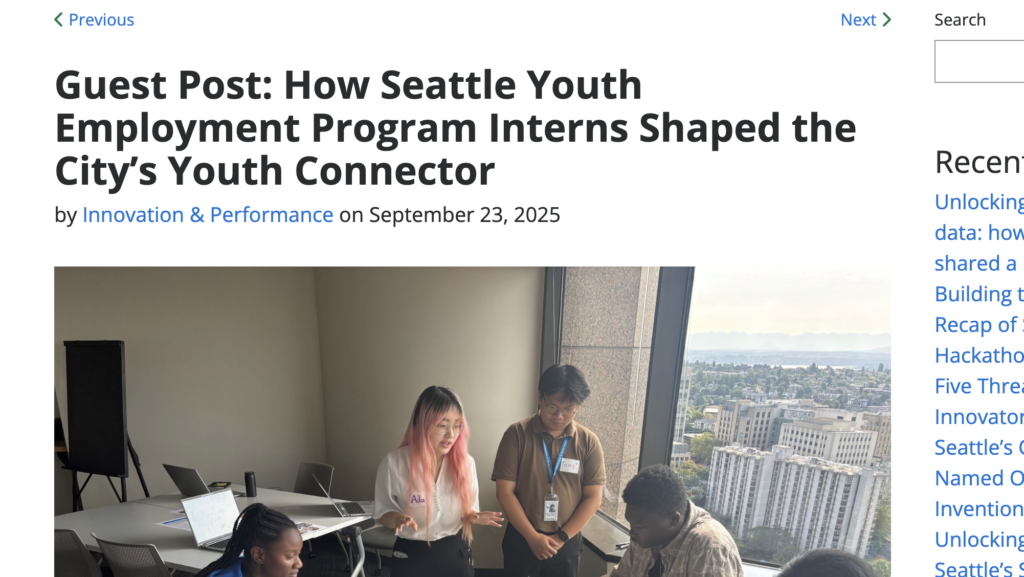
A blog post highlighting how youth employment interns contributed to shaping and co-designing the Youth Connector project by leading research, feedback sessions, and design testing to ensure the platform reflects youth needs.
This toolkit provides guidance to help states implement Medicaid Advisory Committees (MACs) and Beneficiary Advisory Councils (BACs) in accordance with new federal requirements designed to strengthen beneficiary input in Medicaid program oversight.
A plain-language overview explaining how federal law regulates automated calls and text messages to the public, including when consent is required and who is exempt.
This blog describes the purpose and functionality of the Look Before You Rent online tool, which enables users to search rental property addresses and view any recorded housing code violations, inspection outcomes, or complaints.
This report examines how recent federal spending cuts and policy changes are shifting costs onto county governments, potentially burdening local budgets and services.