
Year: 2023
-
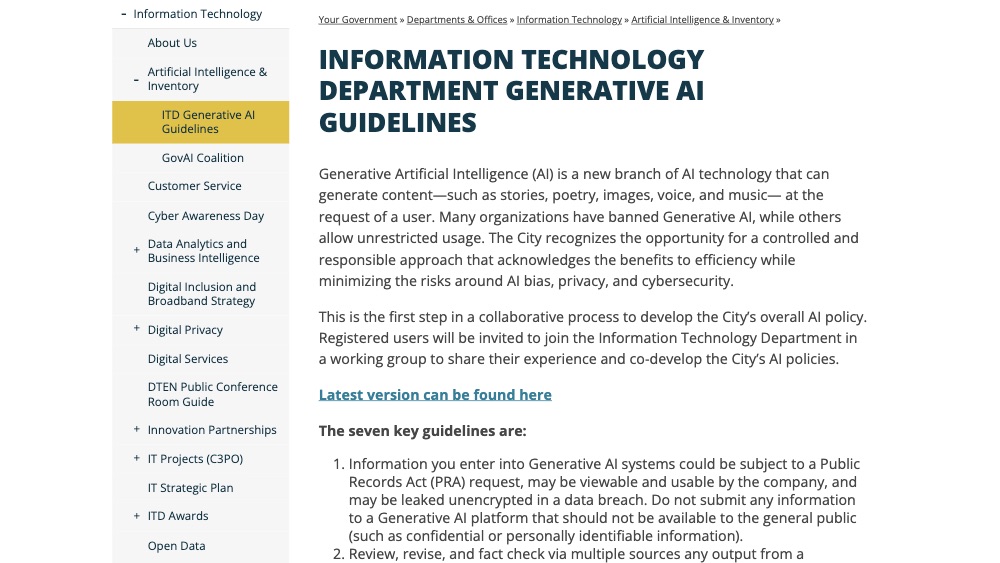
City of San Jose IT Department Generative AI Guidelines
Guidelines on the use of generative AI in the City of San Jose, CA.
-
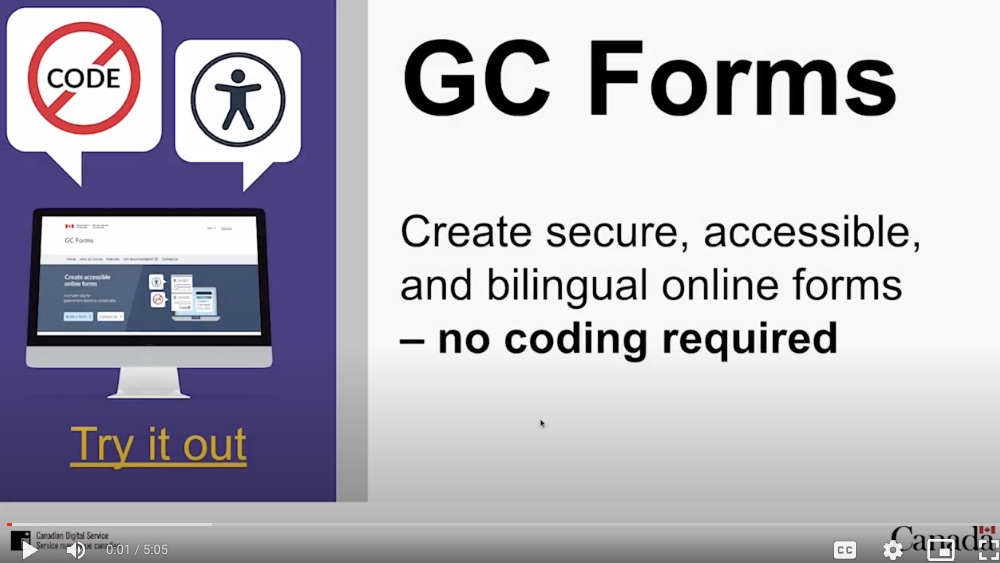
How to Make Your First GC Form
A short 5 minute demo on how to use GC Forms
-
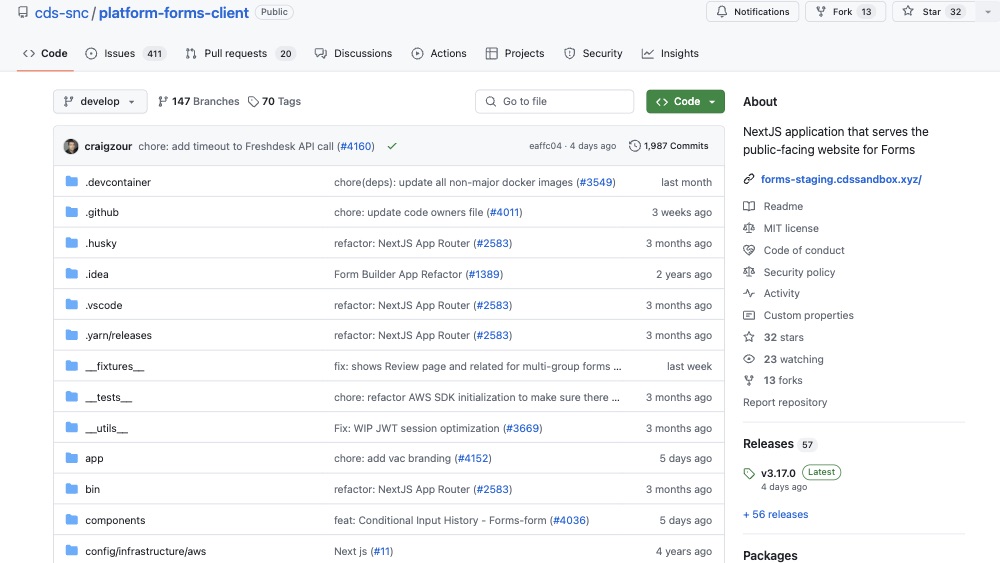
GC Forms GitHub Repository
Repository for the web application for the GC Forms platform product
-
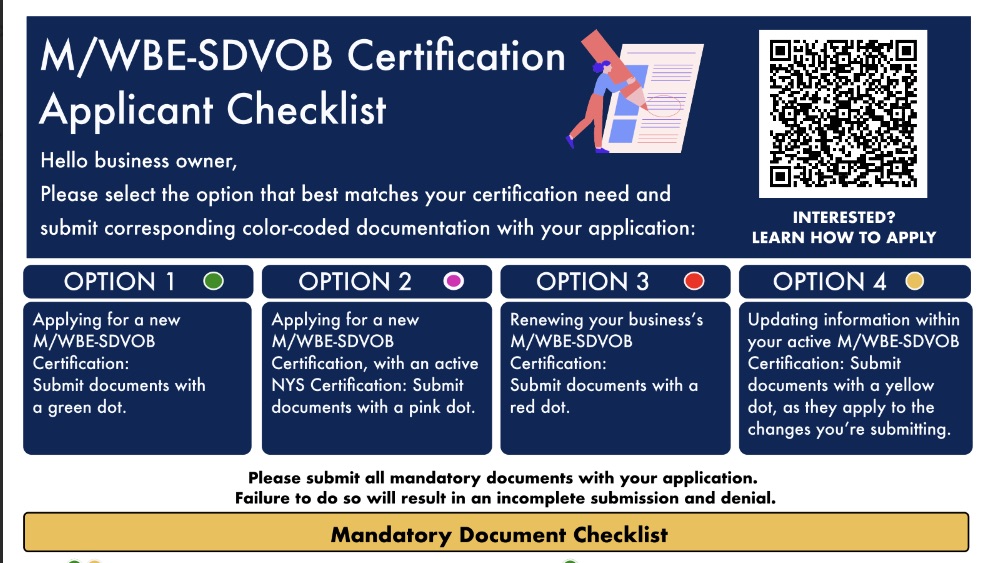
City of Syracuse’s MWBE Online Application
The iteration of City of Syracuse's Minority and Women Business Enterprise (MWBE) Certification Application
-
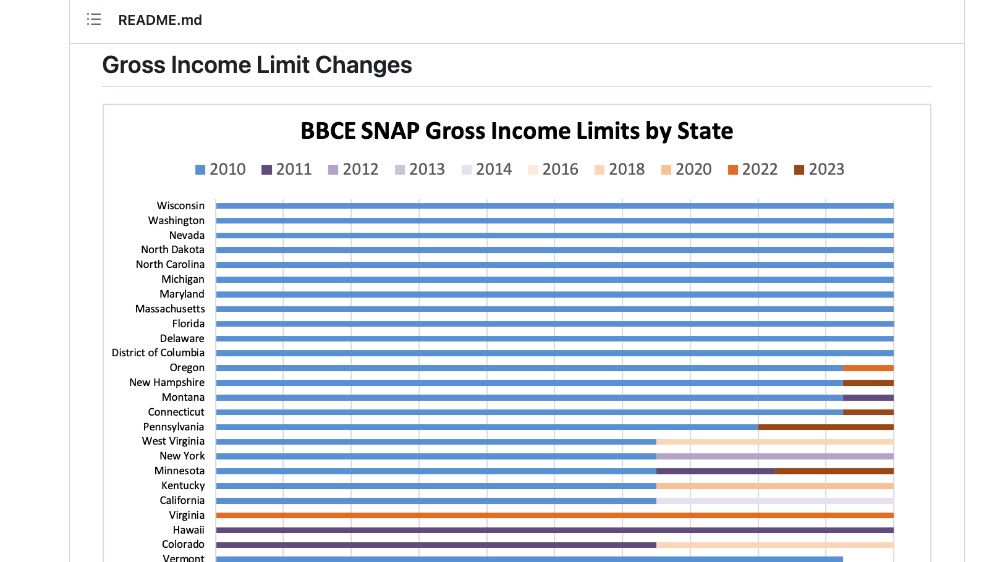
SNAP BBCE History
State broad-based categorical eligibility (BBCE) changes from 2010-2023
-
State of Kansas Generative Artificial Intelligence Policy
State of Kansas' generative artificial intelligence (AI) policy for Executive Branch agencies.
-

Content Designer
This is a job description for the role of Content Designer from the San Francisco Digital Services.
-
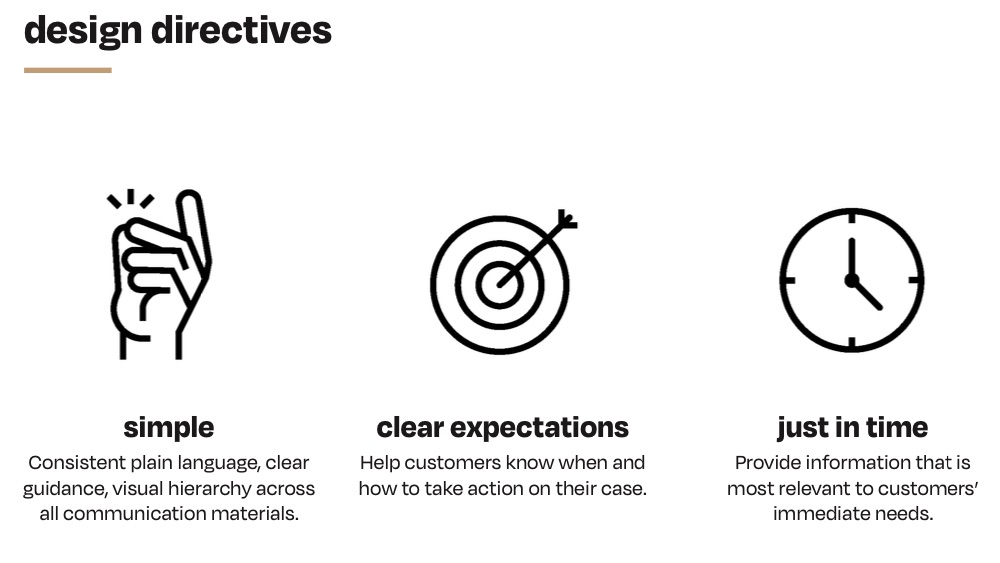
Michigan UIA Design Directives and Principles
Two-sided notecard shared with the entire UIA agency with a message uplifting these tenets in service to Michigan workers and employers.
-
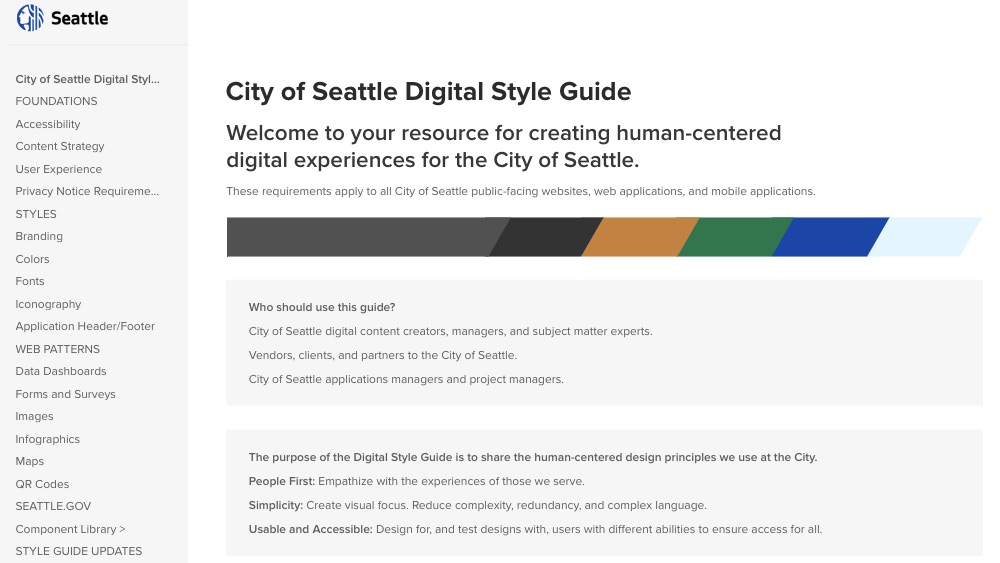
City of Seattle Digital Style Guide
Style guide for creating digital experiences in the City of Seattle
-

Head of Front End Development
This is a job description for the role of Head of Front End Development from the Commonwealth of Pennsylvania.
-
Product Manager, Platforms & Infrastructure
This is a job description for the role of Product Manager from the San Francisco Digital Services.
-

Benefits Protection Toolkit
This benefits protection toolkit is a step-by-step guide to develop and integrate a benefits protection strategy into your Direct Cash Transfer (DCT) program design. This toolkit includes a set of customizable templates, letters, and other tools which should be downloaded and modified for your pilot and local context.