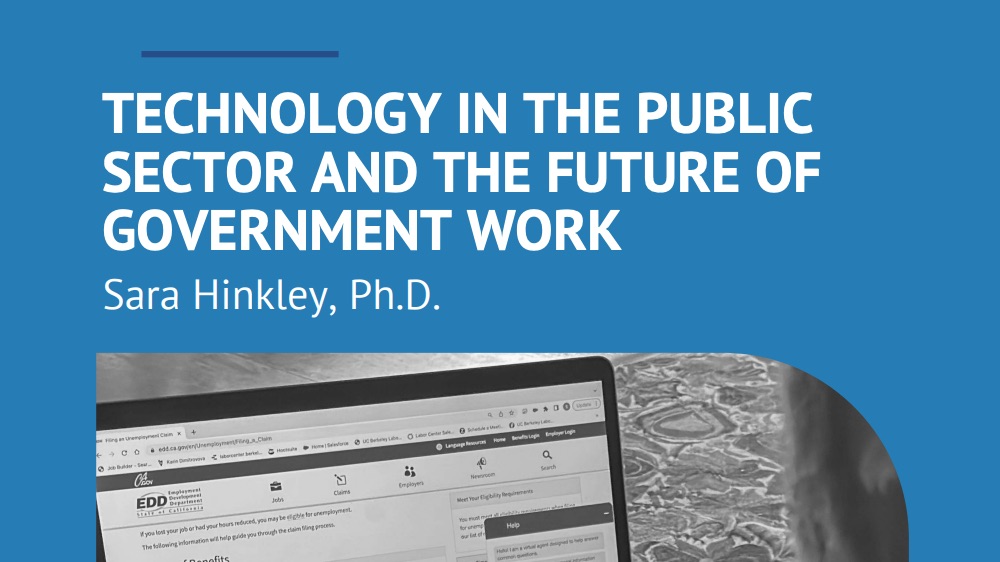
This report explores technologies that have the potential to significantly affect employment and job quality in the public sector, the factors that drive choices about which technologies are adopted and how they are implemented, how technology will change the experience of public sector work, and what kinds of interventions can protect against potential downsides of technology use in the public sector. The report categories technologies into five overlapping categories including manual task automation, process automation, automated decision-making systems, integrated data systems, and electronic monitoring.
The guidelines for bias-free language contain both general guidelines for writing about people without bias across a range of topics and specific guidelines that address the individual characteristics of age, disability, gender, participation in research, racial and ethnic identity, sexual orientation, socioeconomic status, and intersectionality.
NIST has created a voluntary AI risk management framework, in partnership with public and private sectors, to promote trustworthy AI development and usage.
National Institute of Standards and Technology (NIST)
This report summarizes progress made with agencies and members of the public to identify and reduce burdens that individuals, families, and small businesses face every day when interacting with government programs.
Jennifer Pahlka, Deputy CTO in President Obama’s Administration and author, shares her new book, Recoding America on how government must be equipped for digital delivery in order to meet ambitious policy goals. This video was recorded at the Digital Benefits Conference (BenCon) at Georgetown University on June 14, 2023.
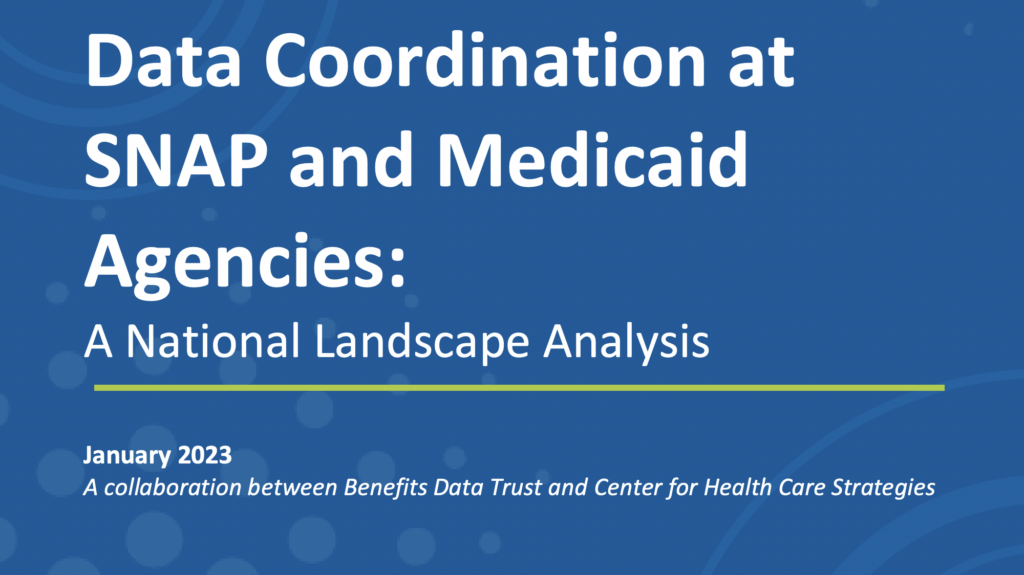
Benefits Data Trust (BDT), in collaboration with the Center for Health Care Strategies (CHCS), conducted a nationwide analysis of how states coordinate across Medicaid and SNAP programs to streamline access to benefits.
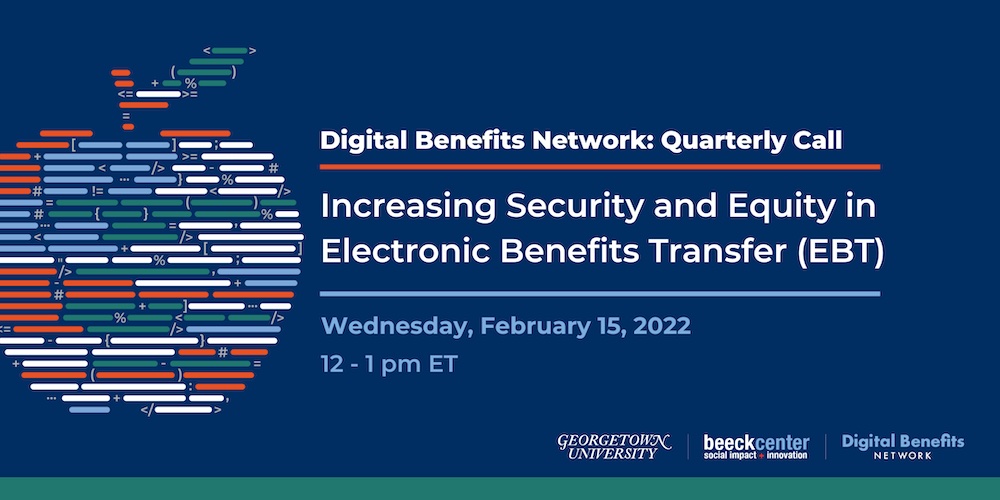
In this webinar, a panel of experts discuss what states can do right now to improve EBT security, how to use data to analyze theft patterns, and how EBT payment technology needs to evolve to ensure efficiency, security, and dignity for beneficiaries.
This report examines how state governments organize and manage human services programs, analyzing various agency structures and their impact on service delivery and coordination with the health care sector.
This webpage links to materials ASPE has prepared as it leads work on how federal agencies and programs can meaningfully and effectively engage people with lived experience.
Office of the Assistant Secretary for Planning and Evaluation (ASPE)
The OECD's Recommendation on the Governance of Digital Identity, adopted on 8 June 2023, provides guidelines for member countries to establish secure and user-centric digital identity systems that enhance trust and facilitate access to online services.
Organisation for Economic Co-operation and Development (OECD)
In accordance with Executive Order 13960, Promoting the Use of Trustworthy Artificial Intelligence in the Federal Government, Federal agencies began publishing their first annual inventories of artificial intelligence (AI) use cases in June 2022.