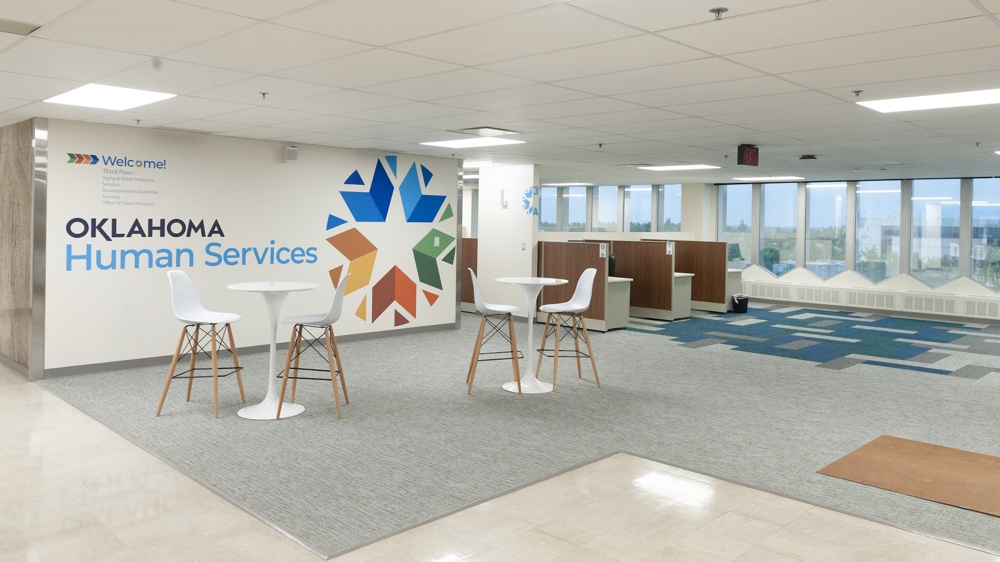
Oklahoma Human Services (OKDHS) modernized their service delivery by reducing their real estate footprint, designing trauma-informed and user-friendly spaces, and expanding an embedded worker program to improve accessibility and client experience. Through their "Service First" strategy, OKDHS aims to create more equitable and compassionate interactions, reaching vulnerable populations while addressing high occupancy costs.
In order to create for all, we have to employ processes that authentically engage misrepresented communities. People tend to think of diversity, equity, and inclusion (DEI) efforts in terms of implicit bias workshops, employee resource groups, and hiring processes. These efforts are all important, but it is also necessary to focus on DEI as it relates to the creation of products, services, and content, and use a design-thinking approach to tackle these tricky issues.
The New South Wales government describes its efforts to connect with other Australian jurisdictions and international colleagues in its move towards making machine-consumable legislation and policy.
There is a key disconnect between policymakers’ intent and implementation of policies. A user-centric, iterative, and data-driven approach can result result in digital technology that provides much needed data and insights at a substantially lower cost.
This toolkit provides guidance for state and local WIC agencies on implementing digital tools to enhance participant engagement and streamline program operations.
The CUTGroup book explains how civic user testing (paying residents to test civic apps) can allow for more community engagement in civic tech. This book covers how to do UX testing, community engagement, and digital skills in one civic tech system.
This article discusses how Code for America enhanced the CalFresh application process to better assist self-employed individuals in accessing their full benefits by clarifying self-employment definitions and simplifying income verification.
Handbook by 18F designed for executives, budget specialists, legislators, and other “non-technical” decision-makers who fund or oversee state government technology projects that receive federal funding and implement the necessary technology to support federal programs. It aids in setting projects up for success by asking the right questions, identifying the right outcomes, and equally important, empowering decision-makers with a basic knowledge of the fundamental principles of modern software design.
Applying UX research methods, the City of San Jose worked to improve how low-income and non-English speaking residents engaged with My San Jose, a website and mobile app for residents to report neighborhood issues to cities. They used a Spanish and Vietnamese translator to conduct interviews with target users, then detailed major findings and corresponding recommendations in this report.
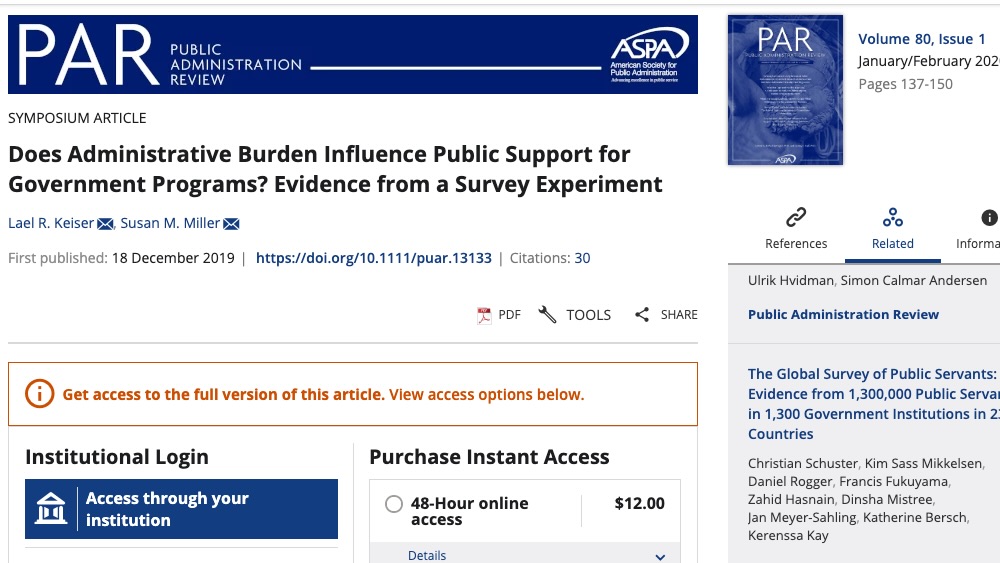
This study examines how providing information about administrative burden influences public support for government programs like TANF, showing that awareness of these burdens can increase favorability toward the programs and their recipients.
This is a job description for the role of Poverty Research Technical Fellow from the New York City Mayor's Office for Economic Opportunity (NYC Opportunity).