Technology enables governments to engage in “pilot” projects to see where they are headed and course-correct along the way, as opposed to evaluating the results over the course of multiple years. Delivery-driven government utilizes technology and “pilot” projects to see institutions and processes through the eyes of users, allowing for more effective service delivery.
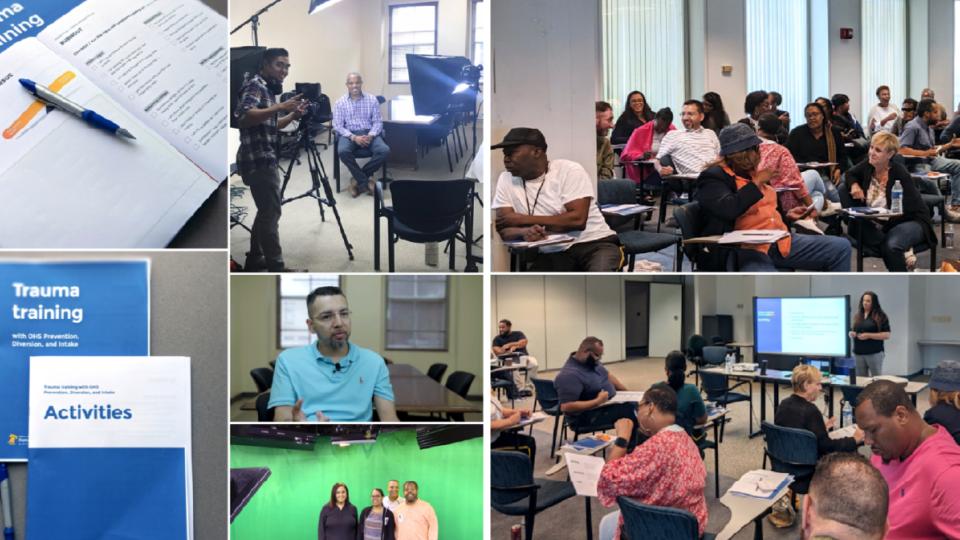
The report highlights a project to improve the Philadelphia Office of Homeless Services' (OHS) prevention and intake processes by implementing trauma-informed practices. In collaboration with staff, participants, and trauma experts, the project aimed to reduce distress for those accessing services while equipping staff with tools and training to better manage trauma-related interactions, creating a more supportive and empathetic service environment.
This article examines how the decentralization of safety net programs after welfare reform has led to growing inequality in benefit generosity and access across U.S. states.
Programs like Medicaid and SNAP are managed at the federal level, administered at the state level, and often executed at the local level. Because there are so many in-betweens, there is significant duplicated effort, demonstrating the need to simplify eligibility rules to facilitate easier implementation.
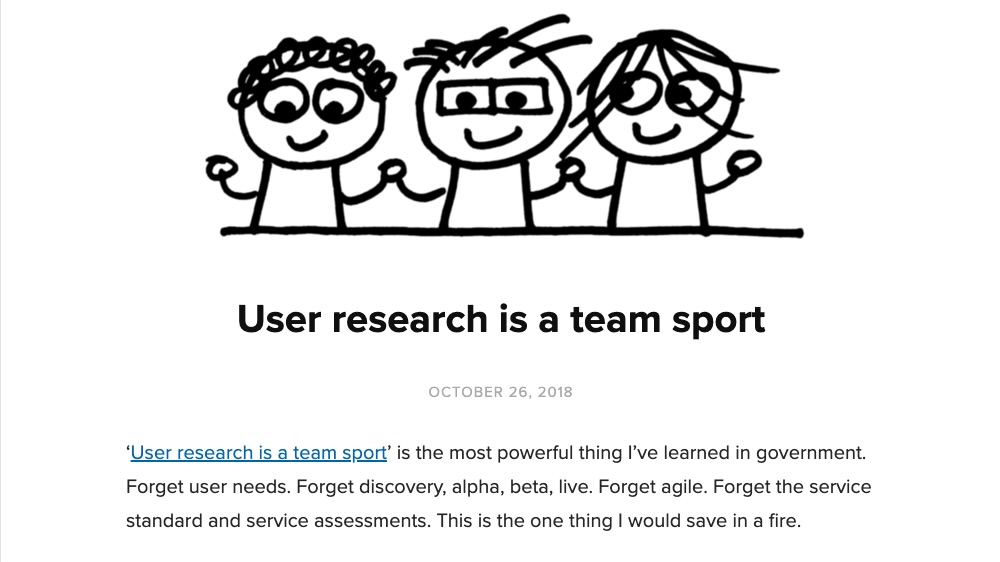
User research requires working as a team, since it necessitates running sessions with participants, observing and moderating research sessions, analyzing and synthesizing results, as well as communicating results effectively.
What Works Cities helps local governments improve residents’ lives by using data and evidence effectively to tackle pressing challenges. The Certification Assessment helps cities benchmark their progress and develop a roadmap for improvement.
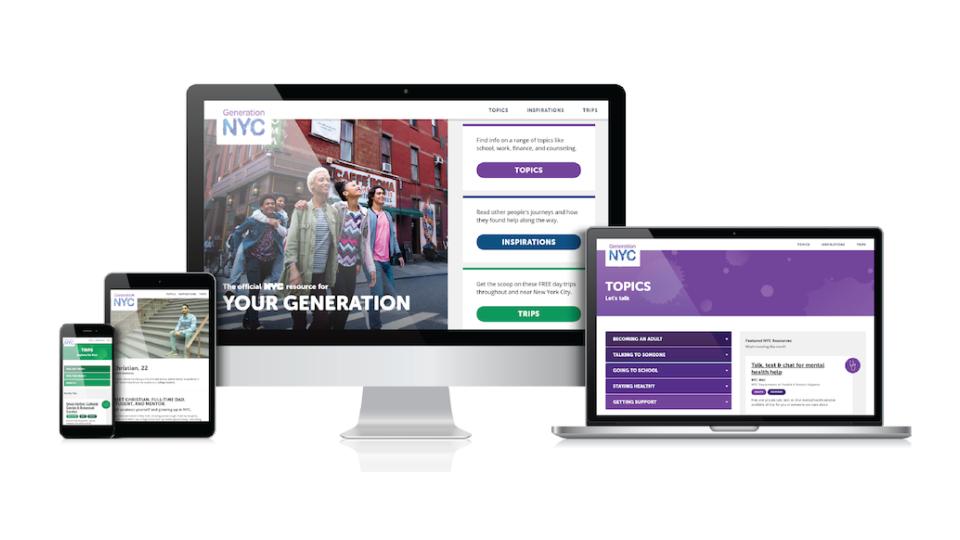
NYC's official resource for teens and young adults, including: peer & professional support, family support, education, health care, housing, employment, and other resources to help young people thrive.
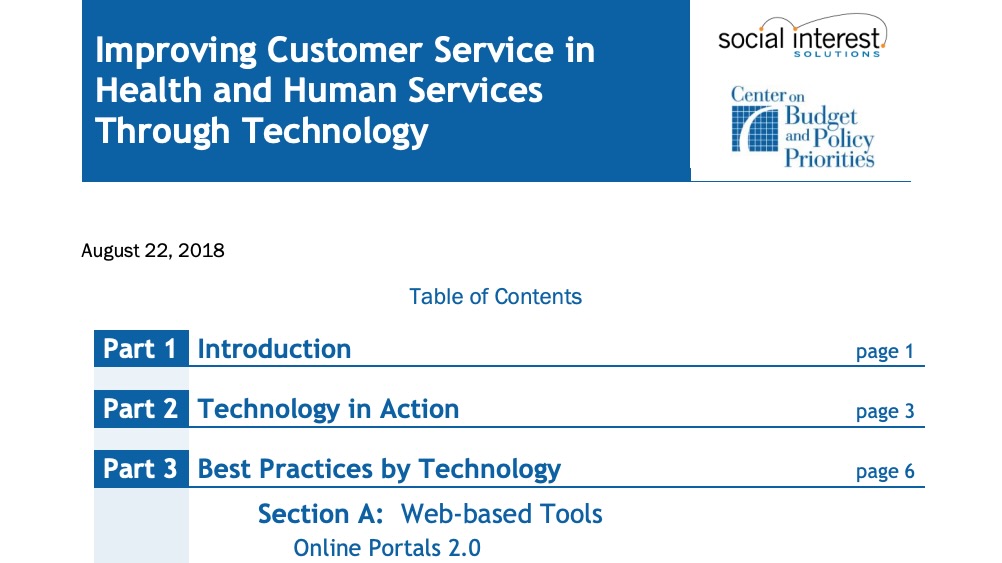
This report explores how state and local agencies can enhance customer service in health and human services by implementing technologies such as web-based tools, mobile applications, and call center innovations, aiming to streamline processes and improve client interactions.
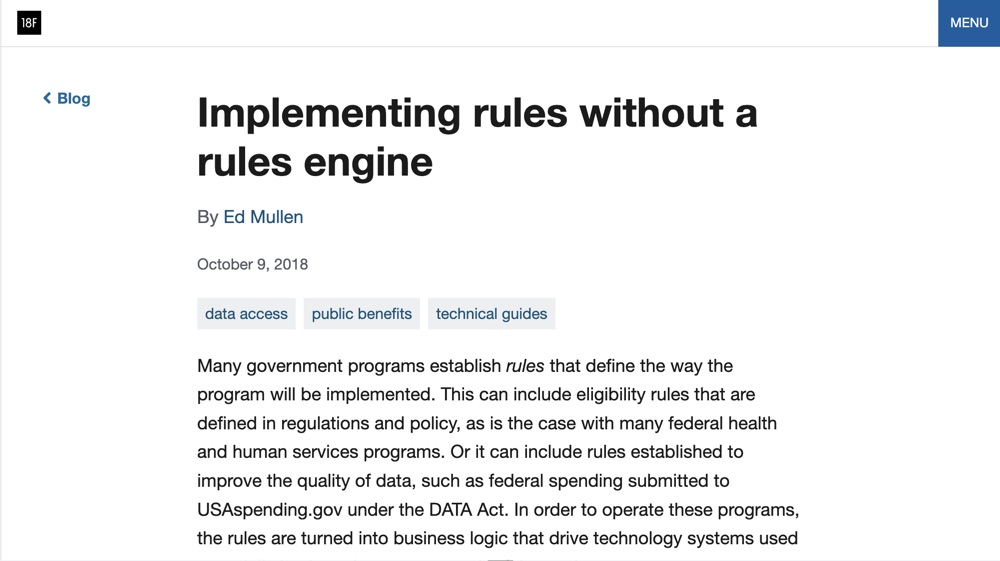
It is frequently assumed that when rules are implemented as code, a rules engine is necessary. However, it is possible for policy people and engineers to effectively work together to code logic that drives technological system without needing a mediating rules engine at all.